

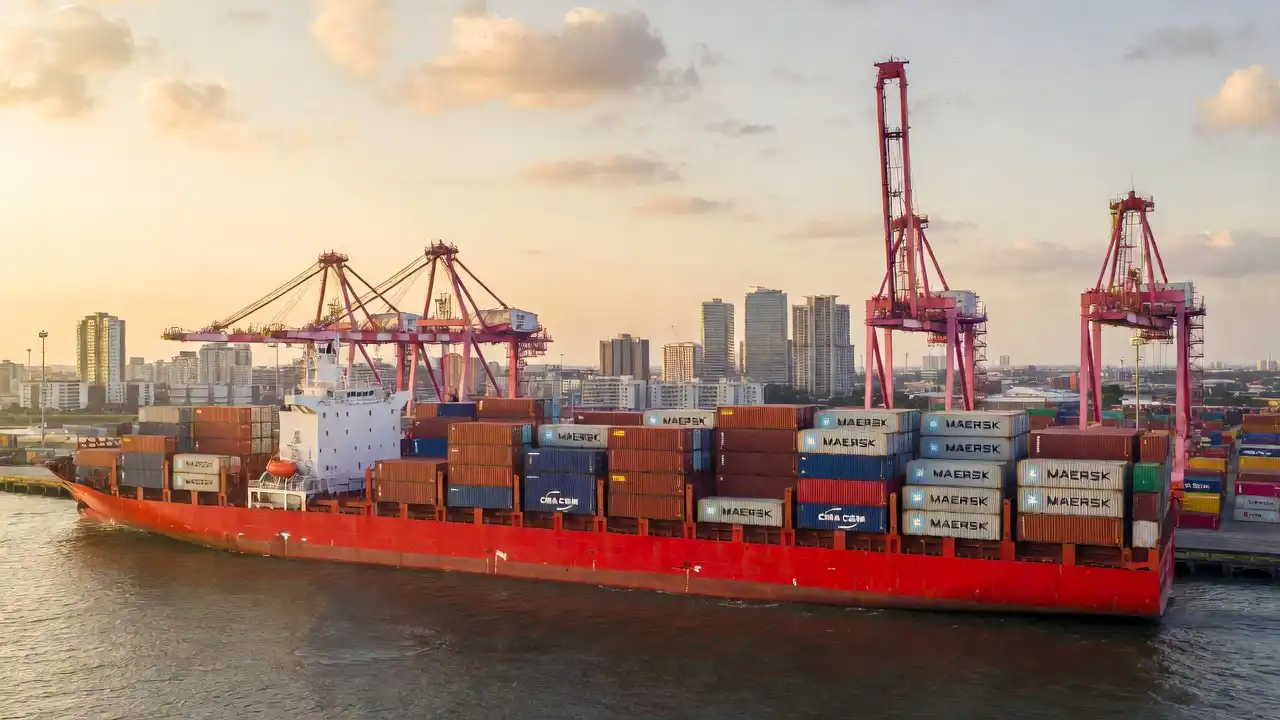
The Brazilian government has rolled out a sweeping 18.5 billion reais ($3.66 billion) emergency credit facility designed to shield domestic companies from foreign tariffs and international trade disruptions. Announced as part of a broader sovereign defense strategy, the comprehensive relief program aims to stabilize cash flows for exporters facing steep import duties in major foreign markets, particularly the United States. In addition to targeting tariff-hit manufacturers and agricultural producers, the government allocated resources to support businesses severely impacted by ongoing conflicts across international shipping corridors.
This substantial intervention reflects growing economic pressures on Latin America’s largest economy as global trade protectionism accelerates. The administration of President Luiz Inácio Lula da Silva structured the package using a dual-funding model. The Brazilian National Treasury will supply 13.5 billion reais ($2.67 billion) in direct credit lines, while the state-run Brazilian Development Bank, known as BNDES, will provide the remaining 5 billion reais ($990 million). By blending public treasury funds with development bank reserves, Brasilia aims to provide immediate liquidity without overburdening commercial credit markets.
The decision to deploy billions of dollars in state-backed credit arrives at a critical juncture for Brazilian industry. Foreign governments have intensified trade restrictions, imposing tariffs as high as 25% to 50% on key export categories. These aggressive trade barriers threaten to disrupt billions of dollars in annual commerce, putting thousands of industrial and agricultural jobs at risk. By offering subsidized interest rates and extended repayment timelines, Brazilian policymakers are attempting to build a financial cushion that prevents corporate insolvency while exporters adapt to volatile international conditions.
TechGolly provides a detailed breakdown of Brazil’s multi-billion-dollar economic relief package, examining its financial structure, targeted industries, geopolitical drivers, and broader implications for global supply chains. As protectionist policies reshape international commerce, this state-backed intervention serves as a benchmark for how emerging market economies navigate aggressive trade policy shifts in major Western consumer markets.
Structuring the 18.5 Billion Reais Emergency Relief Framework
The financial architecture of Brazil’s rescue package relies on highly favorable credit terms engineered to provide long-term operational relief. Recognizing that high borrowing costs could stall corporate recovery, government planners designed the financing mechanism to undercharge relative to prevailing commercial interest rates. The subsidized loans feature annual interest rates ranging between 7.9% and 13.5%. These rates sit significantly below Brazil’s benchmark SELIC interest rate, which currently stands at 14.25%, offering immediate relief to cash-strapped balance sheets.
To further ease financial pressure on borrowing firms, the government established flexible repayment schedules. Qualified export businesses can access 20-year loan terms that include an initial 4-year grace period. During this 4-year window, companies are not required to make principal repayments, allowing executive teams to redirect operational cash flows toward business restructuring, facility modernizations, and supply chain adjustments. This long-term horizon gives domestic producers the extended timeline required to explore new trade partners across Asia, Europe, and the Middle East.
This latest allocation operates under the broader “Brasil Soberano” (Sovereign Brazil) emergency plan, an overarching economic strategy launched to defend domestic industries against external trade shocks. Under this program, the government has continuously expanded state credit guarantees to offset international market losses. With initial credit demand rapidly outstripping early projections, total program capacity across Treasury and BNDES facilities has expanded toward 21 billion reais, highlighting the scale of corporate financial distress.
Eligibility criteria for the emergency funds depend on the severity of tariff impacts on individual business units and the strategic importance of each industry to national economic stability. Corporate applicants must demonstrate direct export exposure to foreign trade levies or document revenue losses stemming from international shipping bottlenecks. Priority status goes to small and medium-sized enterprises (SMEs), which lack the extensive balance sheet reserves required to absorb sudden foreign duty spikes without external assistance.
The Brazilian Treasury has established clear oversight mechanisms to ensure that distributed capital directly supports operational preservation rather than speculative activities. Participating financial institutions must verify that borrowing firms maintain domestic employment levels and continue active commercial operations throughout the grace period, reinforcing national employment objectives.
Safeguarding Agricultural and Industrial Supply Chains
Agriculture and manufacturing represent the primary pillars of Brazil’s export economy, making them the main beneficiaries of the newly announced credit facility. The recent imposition of foreign tariffs hit several critical export sectors hard, including coffee, beef, poultry, sugarcane, civil manufacturing, and specialized industrial equipment. These sectors account for a major share of Brazil’s foreign currency earnings, making their preservation essential for national balance-of-payments stability.
The agricultural sector, in particular, faces compound challenges from trade restrictions and rising input costs. To address regional disparities, the government directed targeted subsidies alongside broader credit lines. For example, sugarcane growers in Brazil’s less-developed northeast region will receive 270 million reais in specialized subsidies to offset shipping disruptions and maintain competitive pricing in foreign markets. Furthermore, agricultural producers can access 3 billion reais in debt-refinancing initiatives, enabling farmers to restructure existing obligations without forfeiting machinery or land holdings.
Industrial manufacturers are using the emergency funds to maintain factory operations and preserve skilled manufacturing jobs. Higher export duties in North American markets have threatened to make Brazilian-manufactured goods uncompetitive against local alternatives. Access to low-cost working capital allows industrial firms to absorb profit margin compressions while engineering teams modify production processes or pivot toward domestic consumer demand.
To maximize the impact of the financing package, the Brazilian government is pairing emergency credit with preferential public procurement policies. Under updated federal guidelines, state agencies will prioritize domestic products and sourcing in public infrastructure projects. This policy creates a guaranteed domestic buyer base for Brazilian manufacturers, offsetting lost export volume in heavily tariffed foreign jurisdictions.
Geopolitical Friction and Rising US Trade Protections
The primary catalyst for Brazil’s emergency economic intervention is the sharp escalation in trade protectionism enforced by the United States. Washington implemented sweeping tariffs ranging from 25% to 50% on a broad selection of Brazilian goods, severely altering long-standing commercial relationships between the two nations. Official Brazilian estimates indicate that these new tariffs directly impact approximately 36% of all Brazilian exports to the US market, placing more than $14.5 billion in annual merchandise trade under financial strain.
Although certain strategic commodities—such as orange juice, commercial aircraft, and fertilizers—received temporary exemptions, key industrial and agricultural exports faced steep duties overnight. The sudden imposition of these taxes disrupted supply contracts signed months in advance, leaving Brazilian exporters with unpaid shipping bills, cancelled orders, and overcrowded port storage facilities. The resulting cash crunch forced many middle-market exporters to seek emergency state financing to remain solvent.
Diplomatic relations between Brasilia and Washington have grown increasingly tense as trade arguments merge with political disagreements. Brazilian trade officials have repeatedly criticized the foreign duties, describing them as arbitrary trade barriers that violate international commercial norms. Brazil runs a consistent trade deficit in manufactured goods with the United States, making the imposition of aggressive import surcharges particularly damaging to bilateral economic cooperation.
In response to the foreign duties, President Lula da Silva’s administration filed formal disputes with the World Trade Organization (WTO) in Geneva, challenging the legality of the import surcharges. While WTO dispute settlement processes can take years to yield final rulings, the Brazilian government recognized that domestic firms needed immediate liquidity to survive the interim period. Consequently, the 18.5 billion reais credit facility serves as a vital domestic bridge while legal and diplomatic negotiations continue on the international stage.
Impact of Global Conflict and Persian Gulf Trade Disruptions
While US trade tariffs represent the largest single threat to Brazilian exporters, ongoing geopolitical conflicts in the Middle East and Persian Gulf have created secondary supply chain bottlenecks that the new credit package directly addresses. Brazil maintains substantial agricultural export relationships with Persian Gulf nations, supplying high volumes of poultry, beef, corn, and sugar to the region.
Recent military escalations along vital maritime choke points, including the Strait of Hormuz and the Red Sea, have forced international shipping lines to alter trade routes. Cargo vessels transporting Brazilian goods must now navigate longer, more circuitous maritime pathways around the African continent. These route diversions have increased transit times by up to three weeks, driving up marine freight rates and insurance premiums to record levels.
For exporters handling perishable agricultural commodities, extended transit times increase cold-storage energy expenses and raise the risk of product spoilage. Small and medium-sized Brazilian exporters operating on slim profit margins cannot easily absorb these compounding freight surcharges. By explicitly allocating emergency funding to conflict-impacted trade corridors, the government provides immediate financial relief to firms struggling with international logistics hikes.
Furthermore, shipping container shortages across South American ports have exacerbated export backlogs. Exporters are using Treasury and BNDES working capital lines to pay higher container reservation fees, secure specialized air freight for high-value components, and lease regional warehouse space. This financial flexibility prevents supply chain bottlenecks from forcing complete factory shutdowns inside Brazil.
Strategic Diversification and the Push for Multi-Polar Trade
Faced with rising trade barriers in traditional Western markets, the Brazilian government is utilizing its emergency financing strategy to accelerate a broader shift toward multi-polar trade diversification. Policymakers recognize that relying heavily on a small handful of dominant Western trading partners leaves the national economy vulnerable to sudden political shifts and protectionist policy changes.
President Lula da Silva has spearheaded diplomatic trade missions across Asia, Africa, Europe, and the Middle East to open new market opportunities for Brazilian exporters. Brazil has actively expanded commercial ties with fellow BRICS member nations, including China, India, and the United Arab Emirates. By securing new bilateral trade agreements and streamlining customs protocols, Brasilia aims to permanently redirect export volumes away from high-tariff jurisdictions.
China, which already stands as Brazil’s largest overall trading partner, has absorbed increased volumes of Brazilian agricultural commodities and raw minerals. Brazilian exporters are utilizing state-backed credit lines to build localized distribution networks within Asian markets, ensuring that products displaced by North American tariffs quickly find alternative buyers. Trade settlements in local currencies are also gaining traction across these emerging trade corridors.
Simultaneously, Brazil is leveraging its position within the Mercosur trade bloc to finalize expanded trade agreements with the European Union and regional Latin American neighbors. Lowering intra-regional trade tariffs allows Brazilian manufacturers to export specialized machinery, automotive parts, and processed foods to neighboring South American markets at competitive price points.
Modernizing Export Competitiveness Through BNDES Direct Credit
The state development bank, BNDES, plays a central operational role in executing Brazil’s long-term industrial modernization agenda. Beyond providing emergency working capital, BNDES is deploying its 5 billion reais program contribution to fund capital investments that enhance long-term factory productivity and export competitiveness.
To compete successfully in non-tariffed global markets, Brazilian manufacturers must lower unit production costs and upgrade technical capabilities. BNDES credit programs offer specialized funding for companies purchasing modern automation systems, industrial robotics, energy-efficient processing equipment, and digital supply chain tracking software. Upgrading capital equipment allows domestic firms to offset foreign import taxes through superior operational efficiency.
BNDES has also expanded its equity investment arm, known as BNDESPar, to acquire direct equity stakes in strategic industrial and critical mineral projects. By injecting growth capital directly into high-potential companies involved in rare earth mining, green energy production, and advanced manufacturing, the state actively co-invests alongside private industry. This direct investment strategy builds national resilience in sectors essential for future technological independence.
Environmental sustainability represents another core requirement for BNDES financing eligibility. Borrowing firms that adopt clean energy sources, reduce industrial carbon emissions, and implement sustainable land-use practices receive preferential interest rate discounts within the emergency program. Aligning industrial relief with environmental standards ensures that Brazilian products remain compliant with strict sustainability regulations enforced in international import markets.
Macroeconomic Implications for Latin America and Global Markets
The rollout of an 18.5 billion reais economic relief package carries significant macroeconomic consequences for Brazil’s fiscal balance and financial market stability. Economists and bond market analysts are closely watching how the government finances this multi-billion-dollar intervention without widening the national budget deficit or triggering inflationary pressures.
Sustaining 13.5 billion reais in direct Treasury credit requires careful cash management by federal fiscal authorities. Critics of state intervention warn that expanding public credit guarantees could increase government gross debt, which currently hovers around 78% of gross domestic product (GDP). If international investors perceive that state spending is expanding out of control, sovereign credit yields could rise, driving up borrowing costs for private businesses across the economy.
However, government economic advisers argue that failing to support tariff-hit exporters would result in far worse fiscal damage. Widespread corporate bankruptcies, factory closures, and mass layoffs would drastically reduce tax revenues collected by the federal government, while simultaneously increasing public expenditure on social assistance programs. From a fiscal perspective, providing targeted credit support to maintain corporate solvency represents a cost-effective strategy to preserve the national tax base.
Currency markets have reflected these complex macroeconomic dynamics. The Brazilian Real has experienced periodic volatility against the US dollar, trading in a range between 5.05 and 5.10 Reais per dollar. A slightly weaker domestic currency provides a natural price advantage for Brazilian exporters selling goods abroad, helping offset the cost of foreign tariffs. However, a weaker Real also elevates the cost of imported machinery, electronic components, and refined fuel, creating localized price pressures.
Long-Term Economic Resilience and Policy Takeaways
Brazil’s decisive implementation of the 18.5 billion reais emergency package offers valuable lessons for emerging market economies adjusting to a more fragmented global trading system. The strategic combination of state-backed liquidity, low-interest credit, debt refinancing, and market diversification demonstrates a pragmatic blueprint for economic self-defense.
First, state development banks like BNDES remain essential policy tools during international crises. When commercial banking networks restrict lending due to heightened geopolitical risk, state development institutions possess the financial mandate required to step into the gap, providing counter-cyclical liquidity that keeps real economy assets functioning.
Second, long-term economic resilience requires active supply chain diversification. Relying too heavily on any single foreign market exposes domestic industries to foreign policy shifts and sudden tariff shocks. By building multi-polar trade partnerships across emerging economies, nations can reduce their vulnerability to protectionist policies enacted by traditional Western trade hubs.
Finally, industrial policy must link short-term emergency relief with long-term competitiveness upgrades. Providing working capital to cover immediate payroll obligations keeps factories open today, but funding automation, digital infrastructure, and sustainable production ensures those same factories can compete in global markets tomorrow. Brazil’s comprehensive financing strategy aims to deliver both immediate survival and long-term industrial strength.






