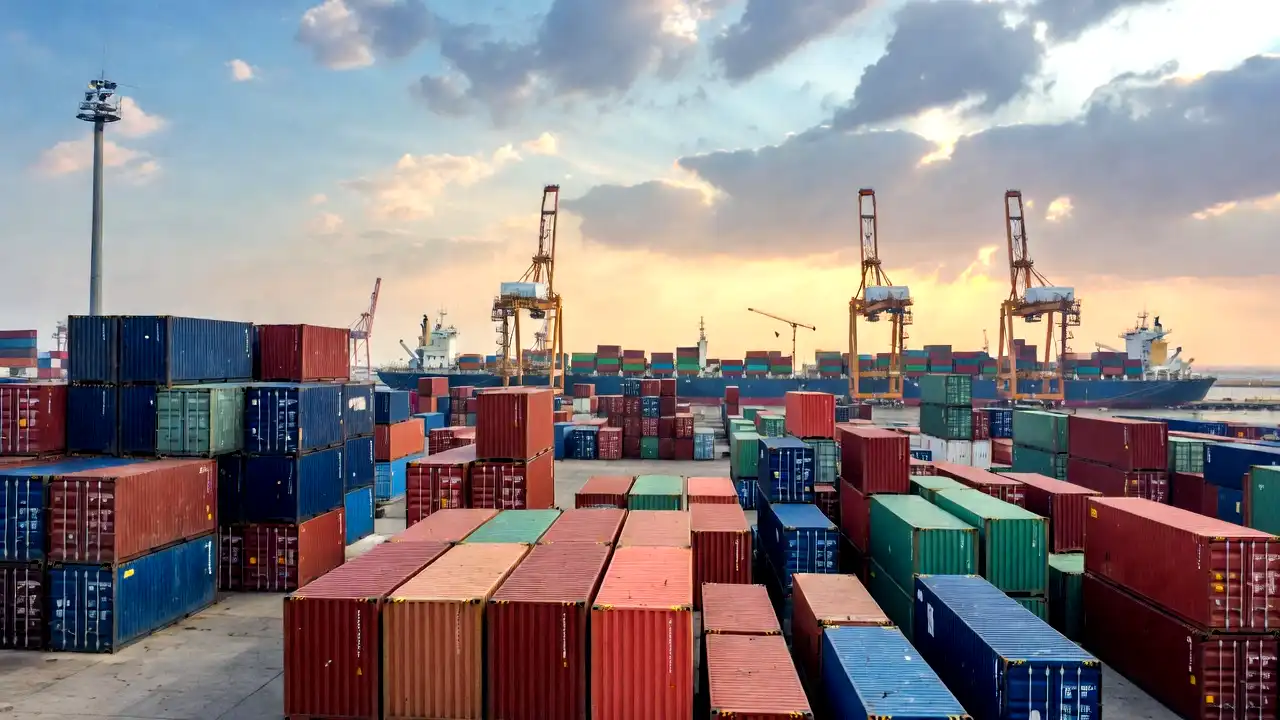
Trade tensions across the world’s longest undefended border have escalated into an aggressive economic standoff. The Canadian federal government has implemented sweeping retaliatory tariffs ranging from 15% to 50% on roughly $20 billion worth of American imports, translating to approximately 27.6 billion Canadian dollars. The countermeasures target more than 700 American-made goods, spanning heavy industrial steel, aluminum, agricultural machinery, consumer electronics, household appliances, and dairy products.
The retaliatory package directly matches the 50% import levies that Washington imposed on Canadian exports following a breakdown in high-level bilateral trade negotiations. Canadian policymakers designed the tariff framework on a dollar-for-dollar and rate-for-rate basis to defend domestic manufacturing, shield regional farm economies, and signal that Ottawa will not yield to unilateral economic coercion. As deeply integrated cross-border supply chains face sudden cost shocks, businesses on both sides of the border must navigate rising logistics expenses, higher component costs, and mounting operational uncertainty.
The Breakdown of Cross-Border Trade Negotiations
The implementation of these counter-tariffs marks the culmination of months of deteriorating trade diplomacy between Washington and Ottawa. While the two nations share more than $700 billion in annual bilateral merchandise trade, disputes over market access, industrial subsidies, and regional supply chain rules have strained their economic relationship.
From Bilateral Dialogues to Tariff Escalation
The dispute intensified during the summer when Washington announced widespread 50% duties on $20 billion of Canadian exports, citing long-standing disagreements over dairy supply management, steel production, and regional commerce. Although trade envoys engaged in intensive negotiations in an attempt to reach a compromise, talks broke down after both sides failed to bridge gaps on critical industrial sectors.
When the deadline passed without a signed accord, the White House executed its tariff schedule, hitting Canadian exports ranging from lumber and cement to alcoholic beverages, honey, and sporting equipment. Canadian Prime Minister Mark Carney suspended further bilateral talks, stating that Ottawa could not negotiate under the shadow of aggressive economic penalties. With formal talks frozen, the Canadian cabinet enacted an order in council authorizing the retaliatory tariff schedule against American imports.
Dollar-for-Dollar Matching Strategy Explained
Ottawa structured its retaliatory tariff schedule with mathematical precision. Rather than imposing blanket tariffs across all American goods, Canadian trade economists built a targeted list that mirrors the exact financial magnitude and percentage rates of the American trade action.
The Canadian counter-tariffs establish three distinct duty tiers: 15%, 25%, and 50%. The highest 50% rate applies to categories where American producers compete directly with Canadian manufacturers, such as raw steel, aluminum extrusions, commercial textiles, perfume, video game consoles, and recreational sporting goods. The 25% tier covers consumer appliances, furniture, and processed cheeses, while the 15% rate applies to specialized heavy equipment, industrial molds, and forklifts. By matching the American trade penalties dollar for dollar, Ottawa aims to exert targeted commercial pressure on American export districts without creating unmanageable shortages in Canadian retail stores.
Targeted American Industries and Product Categories
The retaliatory list carefully targets influential commercial sectors and agricultural hubs across the United States. Covering nearly 6% of total annual American exports to Canada, the tariffs will test the resilience of several key export sectors.
Heavy Industry Facing 50% Duties on Metals and Machinery
The North American steel and metals industry sits right in the crosshairs of the trade fight. The Canadian countermeasures double the import duties on American steel, aluminum, and iron products to a steep 50%. This move directly impacts steel mills and aluminum fabricators across Pennsylvania, Ohio, and Indiana that rely on Canadian construction firms and vehicle parts fabricators as primary export customers.
Furthermore, heavy industrial equipment manufactured in the American heartland faces immediate commercial friction. Agricultural combines, tractor implements, industrial molds, and automated forklifts exported from Midwestern assembly plants will see their landed prices in Canada rise by 15% to 50%. These price hikes will force Canadian commercial buyers to look for alternative machinery suppliers in Europe, Japan, and South Korea, threatening long-standing market share built by American manufacturers over several decades.
Dairy and Consumer Goods Taking Direct Hits
American agricultural producers, particularly dairy farmers in border states, face severe export disruption. The Canadian tariff schedule levies 50% duties on American fluid milk and up to 25% on specialty cheeses and processed dairy fats. These penalties hit dairy cooperatives in Wisconsin, Vermont, and upstate New York that have spent years fighting for broader access to the Canadian retail market.
Beyond the farm gate, American consumer goods face heavy duties on Canadian retail shelves. Major household appliances—including gas stoves, residential ovens, dishwashers, and central air conditioning units—face 25% import taxes. Everyday consumer items such as jackets, cotton T-shirts, premium cosmetics, perfumes, golf clubs, and fishing rods will absorb the maximum 50% tariff. Canadian department stores and retail chains have already begun adjusting wholesale purchasing orders, shifting procurement toward domestic producers and overseas suppliers to avoid absorbing these tariff costs.
Strategic Exclusions to Protect Domestic Supply Lines
While the tariff list targets hundreds of consumer and industrial products, Canadian trade authorities made calculated adjustments to protect critical domestic industries from self-inflicted economic harm.
During initial public consultations, the Canadian government proposed a 25% tariff on American seafood imports, including fresh lobster and processed groundfish. However, Atlantic Canadian lobster processors pushed back forcefully, pointing out that processing plants in Nova Scotia and New Brunswick rely heavily on live Maine lobsters to maintain year-round operations during local seasonal closures. Recognizing that taxing American lobster would idle Canadian packing plants and put coastal workers out of a job, policymakers removed live seafood from the final tariff schedule. Similarly, Canada exempted American goods that were already in transit before the deadline, preventing logistics gridlock at busy border crossing checkpoints like the Ambassador Bridge and Peace Bridge.
Supply Chain Disruption Across the Integrated North American Economy
The economic integration between the United States and Canada is among the deepest in the world. Manufacturing components, raw materials, and sub-assemblies regularly cross the international border multiple times before a final finished product rolls off an assembly line.
Midwestern Manufacturing Centers Face Squeezed Margins
The sudden imposition of 15% to 50% tariffs creates major operational friction for factory corridors across the American Midwest. In industrial states like Michigan, Indiana, and Illinois, thousands of tier-two and tier-three component suppliers ship specialized stampings, electronic sub-assemblies, and industrial fasteners directly to Canadian production plants in Ontario and Quebec.
When tariffs raise the cost of these intermediary components by double-digit percentages, small-to-midsize American manufacturers face an immediate squeeze on their profit margins. Many smaller machine shops operate on thin net margins between 4% and 7%, leaving zero room to absorb a 15% or 25% border duty. American suppliers must either convince Canadian clients to absorb the tariff price increases or cut their own wholesale margins to retain accounts, putting industrial employment and capital expenditure budgets at serious risk.
Cross-Border Transport and Automotive Supply Webs
The cross-border logistics sector is feeling the shockwaves of the trade dispute immediately. Commercial freight trucks haul tens of thousands of cargo containers across the northern border every single day. Logistics dispatchers and customs brokers are scrambling to classify hundreds of newly tariffed line items, creating clearance delays at major commercial border terminals.
The automotive sector remains particularly vulnerable to escalating trade hostilities. While finished vehicles moving under regional value content rules retain temporary protections, threats from Washington to impose 50% tariffs on Canadian-built vehicles and auto parts starting next year loom large. The Canadian Auto Parts Manufacturers’ Association has warned that placing high tariffs on integrated vehicle parts would dismantle the just-in-time logistics model that powers the entire Great Lakes automotive basin, potentially idling assembly lines from Detroit to Windsor.
Broader Geopolitical and Economic Fallout
The trade clash between the two North American allies has spilled beyond customs brokerage offices into corporate boardrooms and sovereign political arenas.
Corporate Tensions and Threats to Aerospace Giants
The escalation has triggered direct political threats against major multinational corporations. The White House recently warned that it could block sales of Bombardier business aircraft within the United States unless the Quebec-based aerospace manufacturer moves assembly operations directly onto American soil.
Bombardier responded swiftly, highlighting its extensive American footprint. The aerospace giant directly employs thousands of workers across more than 20 states—including major manufacturing and service facilities in Kansas, Texas, Arizona, and California. Furthermore, Bombardier spends more than $2.5 billion annually with an American supply chain consisting of roughly 2,800 domestic vendors in 47 states. Threatening to disrupt integrated aerospace manufacturing demonstrates how tariff disputes risk harming the very domestic workers and industrial suppliers that trade protection policies aim to defend.
Currency Pressures and Inflationary Headwinds
The escalating trade conflict is generating macroeconomic volatility across currency desks and central banking corridors. The Canadian dollar has experienced increased volatility against the United States dollar, reflecting investor anxiety regarding export volumes and corporate earnings in trade-sensitive resource sectors.
At the same time, high retaliatory tariffs introduce fresh inflationary pressures for Canadian consumers. While domestic retailers will absorb some tariff costs or swap suppliers where possible, higher duties on imported American appliances, clothing, cosmetics, and packaged foods will inevitably push retail sticker prices upward. For Canadian households already dealing with elevated living costs, paying a 25% or 50% premium on everyday consumer goods could dampen broad consumer spending and slow down general economic growth.
Long-Term Outlook for North American Trade Architecture
The current tariff battle represents a fundamental stress test for the United States-Mexico-Canada Agreement, the foundational trade treaty governing continental commerce.
Navigating USMCA Frameworks Amid Rising Bilateral Friction
The USMCA was negotiated to provide regulatory stability, eliminate tariffs on regionally compliant goods, and establish binding dispute resolution panels. However, the use of unilateral national security tariffs, emergency executive orders, and dollar-for-dollar retaliatory countermeasures circumvents the treaty’s intended consultation mechanisms.
The upcoming mandatory joint review of the USMCA will take place in an environment charged with mutual grievances. Trade analysts warn that if Washington and Ottawa cannot resolve their current disputes over metals, agriculture, and manufacturing rules, the entire free-trade architecture could unravel into a permanent system of managed quotas, administrative border checks, and variable tariff walls. Such an outcome would permanently raise the cost of doing business across North America, eroding the continent’s collective competitiveness against Asian and European manufacturing blocs.
Strategic Diversification for Canadian and American Businesses
In response to persistent trade friction, corporate executives across both countries are accelerating supply chain diversification strategies. Canadian export corporations that previously sent up to 80% of their production to the United States are actively expanding commercial relationships in the European Union, the United Kingdom, and the Indo-Pacific region through free-trade agreements like CETA and CPTPP.
Similarly, American industrial buyers are exploring alternative sourcing channels in Mexico, Southeast Asia, and South America to replace Canadian industrial inputs that now carry heavy tariff burdens. While building new supply lines takes months of engineering qualification and supplier vetting, persistent trade volatility forces companies to prioritize supply chain security over pure geographic proximity.
The trade relationship between the United States and Canada has entered its most turbulent chapter in modern history. By deploying $20 billion in retaliatory tariffs of up to 50%, Ottawa has demonstrated that it is willing to accept short-term economic friction to defend its national trade sovereignty. As both economies absorb the financial impact of higher tariffs, disrupted supply chains, and mounting political rhetoric, the pressure on policymakers to return to the negotiating table will intensify. The stability and prosperity of the integrated North American economy ultimately depend on whether both nations can replace unilateral trade penalties with pragmatic, long-term commercial cooperation.