Bangladesh is undergoing a rapid energy transition, and its geopolitical landscape is shifting along with its power grid. For years, the South Asian nation relied heavily on fossil fuels to drive its industrial growth, depending on international partners to fund large-scale coal and natural gas projects. Today, however, as global climate commitments intensify and domestic fuel reserves dwindle, Bangladesh is pivoting toward renewable energy. According to recent trade data and project announcements, Chinese companies have capitalized on this green transition, leveraging their advanced solar and wind technologies to secure China’s position as the undisputed top power sector investor in Bangladesh.
The scale of China’s green technology investments in Bangladesh is historic, representing billions of dollars in active project commitments. Rather than merely supplying cheap solar panels, Chinese state-owned enterprises and private developers are funding, building, and operating major utility-scale solar farms and wind parks across the country. This strategic focus on green infrastructure has allowed Beijing to systematically outpace other traditional regional investors, cementing its influence over the energy future of South Asia.
For Bangladesh, this massive influx of Chinese capital and technology is a vital lifeline. The country is grappling with severe power shortages, high import bills for liquefied natural gas, and an urgent need to meet its national target of generating 40 percent of its electricity from clean sources by 2041. By partnering with China’s leading clean-tech developers, Bangladesh is securing the high-capacity infrastructure required to modernize its power grid, lower its energy costs, and build a highly resilient economy capable of sustaining long-term industrial growth.
The Strategic Shift: How China Captured the Green Energy Market
The dominance of Chinese companies in Bangladesh’s energy sector is not an accidental market occurrence. It represents a highly calculated, long-term industrial strategy that has successfully combined Beijing’s diplomatic Belt and Road Initiative with the physical realities of the global energy transition.
The Collapse of Traditional Coal Financing
Historically, global energy investments in South Asia focused heavily on coal-fired power plants. Bangladesh planned several massive coal facilities to support its growing garment-manufacturing sector, relying on backing from international lenders in Japan, South Korea, and Western Europe.
However, between 2020 and 2022, a major policy shift occurred. Under intense international climate pressure, global financial institutions systematically withdrew their funding for overseas coal projects.
Faced with a sudden, massive financing vacuum, the Bangladeshi government was forced to cancel 10 major planned coal-fired power plants, which would have added over 8.5 gigawatts of capacity to the national grid.
This mass cancellation left the country with a severe energy deficit, threatening to paralyze its industrial hubs. While other international investors hesitated to fund alternatives, Chinese firms stepped in aggressively, offering to convert the cancelled coal projects into clean, utility-scale solar and wind developments.
The Superior Cost-Efficiency of Chinese Clean Tech
The primary competitive barrier protecting China’s investment lead is its unmatched manufacturing scale. Chinese companies control over 80 percent of the global supply chain for solar panels, wind turbine components, and advanced power transmission hardware.
This manufacturing dominance allows Chinese developers to build clean energy projects in Bangladesh at a fraction of the cost required by Western or regional competitors.
A project that might require an investment of $1.5 billion using European or Japanese technology can often be completed by Chinese firms for under $1 billion, without sacrificing operational quality or efficiency.
This immense cost advantage has made Chinese joint ventures the obvious choice for the Bangladeshi government, which must manage tight national budgets while rapidly expanding its national grid capacity.
Deconstructing the Multi-Billion Dollar Green Pipeline
The physical scale of China’s current renewable energy investments in Bangladesh is massive, spanning dozens of high-capacity projects that are actively under construction or already delivering power to the national grid.
The Cox’s Bazar Wind Project: A Landmark in Coastal Energy
The most high-profile symbol of this green alliance is the Cox’s Bazar Wind Power Project, located along the country’s southeastern coast. Developed by US-DK Green Energy BD, a joint venture backed heavily by China’s State Power Investment Corporation (SPIC), the project represents a major engineering milestone for the country.
The wind park features an overall capacity of 60 megawatts, utilizing highly advanced, typhoon-resistant wind turbines designed specifically by Chinese engineers to withstand the harsh weather conditions of the Bay of Bengal.
The $116 million project is already delivering clean, reliable electricity directly to the national grid, powering thousands of homes and local businesses.
By successfully demonstrating that large-scale wind power is commercially and technically viable in Bangladesh, the project has opened up a highly profitable new frontier for coastal energy development.
Scaling Up Solar Footprints in Cox’s Bazar and Beyond
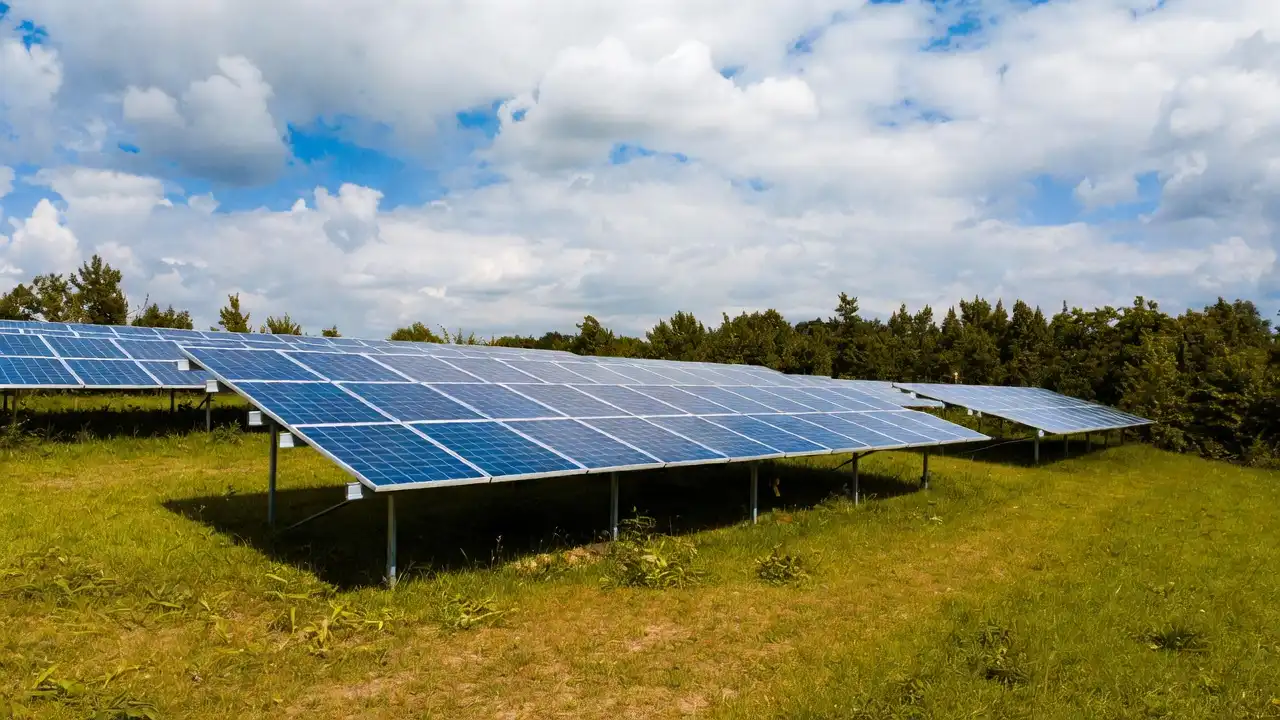
Chinese companies are also dominating the solar market, building massive, high-capacity photovoltaic arrays across the country. In the Cox’s Bazar region, a consortium of Chinese developers is constructing a massive 100-megawatt solar farm, which will rank as one of the largest solar installations in South Asia once completed.
In addition to this flagship project, Chinese firms are developing several other major solar sites:
- A 68-megawatt solar project in Sirajganj, developed as a joint venture between China National Machinery Import and Export Corporation and the North-West Power Generation Company of Bangladesh.
- A 50-megawatt solar facility in Sreemangal, funded and constructed entirely by private Chinese clean-tech groups.
- Multiple smaller, rooftop solar arrays totaling over 200 megawatts across the country’s massive garment factories, allowing local manufacturers to lower their operating costs and satisfy the strict sustainability requirements of Western retail brands.
This coordinated solar expansion is rapidly transforming the composition of Bangladesh’s power grid. By adding hundreds of megawatts of clean, reliable daytime capacity, these projects are helping to reduce the country’s reliance on expensive, imported diesel and liquefied natural gas, protecting the national economy from global energy price shocks.
Navigating Grid Integration and Infrastructure Bottlenecks
While the rapid influx of Chinese green investments represents a major economic victory for Bangladesh, the country faces significant technical challenges as it attempts to integrate these new, intermittent power sources into its legacy electrical grid.
Overcoming the Transmission and Distribution Gap
The primary technical bottleneck facing Bangladesh’s energy transition is the fragile state of its national transmission and distribution networks. Unlike traditional coal or natural gas plants, which generate steady, predictable baseload power, solar and wind energy are highly intermittent, fluctuating based on cloud cover, wind speeds, and seasonal changes.
If a country attempts to add large volumes of intermittent energy to an outdated, fragile grid, it can easily trigger voltage fluctuations, equipment failures, and widespread blackouts.
To address this challenge, Bangladesh requires massive, multi-billion-dollar investments to modernize its transmission lines, build advanced substations, and install smart grid management systems.
Recognizing this critical bottleneck, Chinese companies are expanding their investments beyond simple power generation, bidding on massive contracts to construct high-voltage transmission lines and digital grid-control systems. This comprehensive approach ensures that the clean energy generated by their solar and wind farms can actually reach the industrial consumers who need it most.
The High Cost of Energy Storage Technologies
Another major challenge limiting the scale of the clean energy transition is the high cost of energy storage. To rely on solar and wind power during peak evening hours, when the sun is down but consumer demand reaches its highest point, the country must deploy advanced, grid-scale battery storage systems.
Currently, large-scale battery storage remains exceptionally expensive, requiring substantial upfront capital investments that a developing nation like Bangladesh struggles to fund on its own.
Chinese developers are actively working to resolve this bottleneck by introducing modular, lithium-ion battery storage systems alongside their solar projects.
By combining solar generation with local storage, these hybrid projects can store excess electricity generated during the hot midday hours and release it to the grid during the evening, providing a highly reliable, continuous supply of clean energy that can successfully compete with traditional fossil-fuel baseload plants.
The Geopolitical Balance: Managing Regional Influences
The rapid expansion of China’s influence over Bangladesh’s energy sector has not gone unnoticed by other regional powers, turning the country’s power grid into a highly contested geopolitical arena.
The Competition with India and Japan
Historically, India and Japan were the primary international partners for Bangladesh’s infrastructure development. India shares a massive land border with Bangladesh and has invested heavily in cross-border electricity transmission lines, exporting coal-fired power directly to its neighbor. Japan, through its Japan International Cooperation Agency (JICA), has funded massive infrastructure projects, including deepwater ports and clean-coal facilities.
However, both India and Japan have struggled to match the speed, scale, and cost-efficiency of China’s green technology pipeline. While Indian and Japanese institutions face strict environmental regulations and lengthy administrative reviews that can delay projects for years, Chinese developers can move from initial design to active construction within months.
This rapid execution has allowed Beijing to out-compete its regional rivals, securing the most lucrative green energy contracts and building a highly dominant position in the South Asian market.
Bangladesh’s Diplomatic Balancing Act
Faced with this intense regional competition, the government of Bangladesh must perform a delicate diplomatic balancing act. While the country welcomes Chinese capital and green technology to solve its urgent energy crisis, it must also maintain strong, positive relations with India, which remains its closest geographic neighbor, and Japan, which is a vital source of development assistance.
To manage these competing regional influences, the Bangladeshi government has adopted a strategy of diversified partnerships. While Chinese companies are allowed to dominate the solar and wind generation sectors, the government has allocated other key infrastructure projects, such as offshore gas exploration and deepwater port construction, to Japanese and Indian firms.
This balanced approach ensures that the country can secure the international funding it needs to build its national infrastructure without becoming completely dependent on a single foreign patron.
Building a Sustainable Industrial Base for South Asia
The rapid expansion of China’s green technology pipeline in Bangladesh represents a landmark moment in the modern history of South Asia. By utilizing its massive manufacturing scale and advanced engineering capabilities to construct high-capacity solar and wind projects, Beijing has successfully secured its position as the undisputed top power investor in the country.
While significant technical challenges remain regarding grid integration, transmission bottlenecks, and energy storage costs, the partnership between Chinese developers and the Bangladeshi government has established a highly resilient, sustainable baseline for the country’s energy future.
As these massive projects continue to come online, lowering energy costs and reducing carbon emissions, this green alliance will ensure that Bangladesh has the reliable, clean, and affordable power required to sustain its industrial growth, proving that the ultimate winners of the global energy transition will be the nations that can successfully build, fund, and deliver the physical infrastructure of the green age.