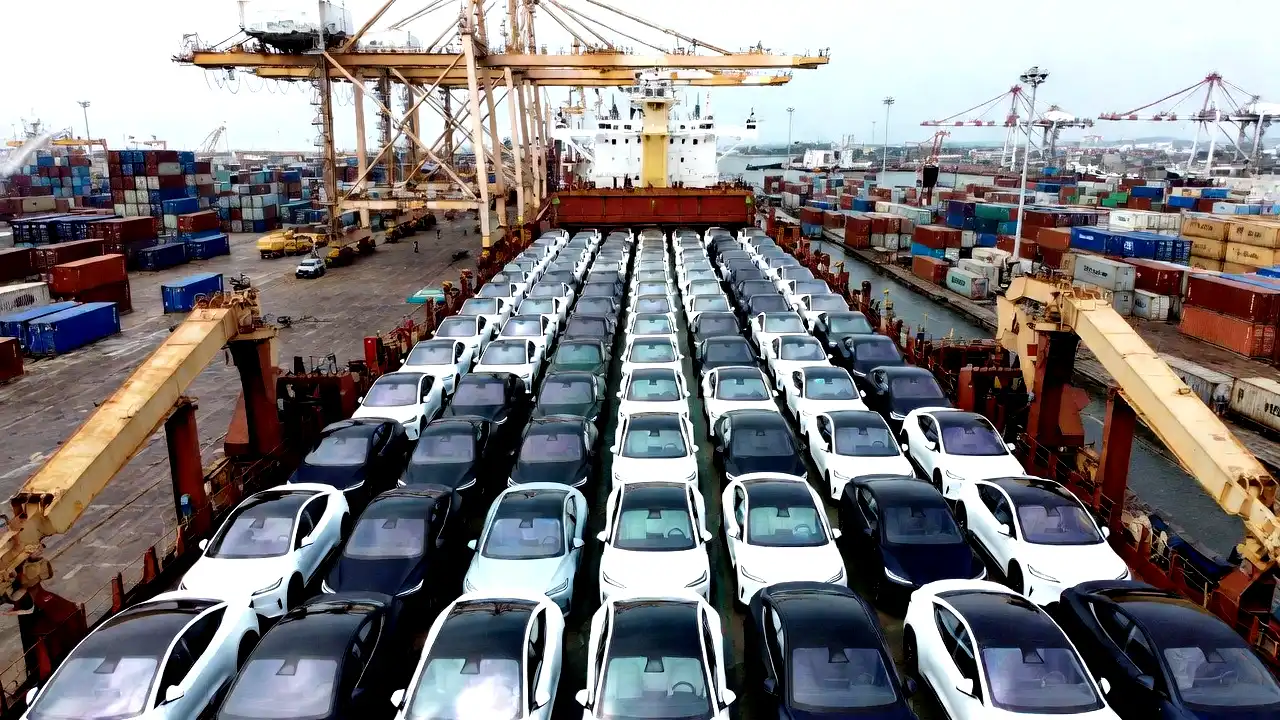
The automotive landscape in Australia is undergoing a massive, rapid transformation. For decades, the country’s highly competitive new-car market relied almost exclusively on traditional internal combustion engine vehicles imported from Japan, Thailand, and South Korea. Recently, in August 2026, official trade and market data revealed a major shift. Homegrown Chinese new energy vehicle manufacturers have bypassed legacy competitors to claim unprecedented market share, winning the confidence of Australian consumers with highly competitive, technologically advanced, and affordable electric models.
According to the Federal Chamber of Automotive Industries, China became Australia’s largest single-month source of new vehicles for the first time in history earlier in the year. This milestone represents a monumental structural shift in consumer preferences. In an exclusive interview in Canberra, FCAI Chief Executive Officer Tony Weber emphasized that the rapid rise of Chinese automotive brands in Australia is not a temporary or localized anomaly. Instead, it reflects their unique ability to meet consumer demands through highly innovative products, competitive pricing, and robust localized support networks.
This clean-energy shift has fanned intense competition across the Australian market. As the country implements its strict new vehicle efficiency standards, traditional carmakers are scrambling to protect their declining market shares, while Chinese brands continue to expand their presence. By building permanent dealer networks, securing long-term spare parts supply lines, and introducing highly advanced hybrid and electric utility models, Chinese manufacturers have established a formidable competitive moat, permanently reconfiguring the future of transportation in the southern hemisphere.
Analyzing the Australian Electric Vehicle Boom: July and Year-to-Date Metrics
The statistical data released by the Federal Chamber of Automotive Industries illustrates the sheer momentum of the clean-energy transition in Australia, with electric and hybrid models capturing a massive share of the new-car market.
Battery Electric Vehicles Capture Over One-Fifth of the Market
The demand for pure, zero-emission transportation has reached a historic peak. During the month of July, Australian buyers purchased 23,510 battery electric vehicles, commonly known as BEVs. This high-volume performance allowed pure electric cars to capture a massive 21.7% share of the entire new-vehicle market.
This represents the second consecutive month where battery electric vehicles represented more than one-fifth of all new car sales in Australia, proving that the technology has moved far beyond early-adopter circles and entered the mainstream consumer market. This rapid, consistent adoption is highly encouraging for grid and infrastructure planners, who must prepare for a massive transition in national energy consumption.
The Rising Tide of Electrified Transport
The transition to clean energy is not limited to pure electric models. When incorporating conventional and plug-in hybrid electric vehicles, the total share of “electrified” transport in Australia reached an extraordinary 48.4% of the new-car market in July. This means that nearly half of all new vehicles entering Australian roads are equipped with some form of electric propulsion, marking a complete, permanent structural shift in national fuel demand.
This rapid, broad-based adoption is being driven by several key macroeconomic factors:
- The New Vehicle Efficiency Standard: Implemented recently to regulate and penalize carmakers that sell too many high-emissions vehicles. The standard has forced traditional manufacturers to rapidly adjust their product mixes, while giving low-emission Chinese brands a massive regulatory advantage.
- Surging Fuel Prices: High fuel costs, fanned by ongoing geopolitical tensions in the Middle East and transport disruptions in the Red Sea, have made highly efficient hybrids and pure electric cars financially attractive to middle-class families.
- Corporate Fleet Mandates: Major businesses and government agencies are implementing strict sustainability targets, requiring them to convert their massive corporate fleets to zero-emission vehicles.
For the automotive industry, this rapid transition represents an incredible, multi-billion-dollar market opportunity. In this high-growth environment, where even a 1.5% improvement in electric drivetrain efficiency can save fleet operators millions of dollars in annual running costs, the companies that can deliver highly efficient, low-cost electric and hybrid vehicles will capture a dominant share of the market.
The Strategic Pivot: How Chinese Manufacturers Won Australian Confidence
The rapid rise of Chinese automotive brands in Australia is the direct result of a highly disciplined, long-term corporate expansion strategy that has successfully addressed the traditional anxieties of Western consumers.
Deepening Local Footprints with Dealer Networks and Spare Parts
Historically, foreign automakers attempting to enter the Australian market struggled to win long-term customer trust. Consumers worried that if they purchased a vehicle from a new, unfamiliar brand, they would struggle to secure reliable technical support, find replacement parts, or get their vehicles serviced, keeping many buyers loyal to established Japanese and American brands.
Chinese manufacturers have successfully resolved this trust bottleneck by investing heavily in building a permanent, highly visible local footprint. Companies like BYD, MG, Great Wall Motor (GWM), and Chery are not relying solely on online sales or third-party importers. Instead, they are actively constructing their own national networks of physical dealerships, establishing specialized service centers, and securing massive, local spare parts warehouses near major metropolitan hubs.
By ensuring that an Australian consumer can walk into a local dealership and secure instant, high-quality technical support, Chinese brands have cured the traditional “reputational anxiety” associated with new market entrants, giving local buyers the confidence to purchase their vehicles.
Turning Silicon and Software into the Ultimate Competitive Moat
The technological sophistication of Chinese electric vehicles is another major driver of their rapid market adoption. During a recent study trip to China, FCAI Chief Executive Tony Weber visited several advanced automotive research and development centers, high-volume automated manufacturing complexes, and the world-famous Shanghai Motor Show.
Weber revealed that he was deeply impressed by the rapid development and sophistication of China’s automotive industry. He stated that when he goes to China and looks at the automotive industry, he sees the future of the automotive world. He explained that Chinese manufacturers are treating the car not merely as a mechanical machine, but as a highly advanced, software-defined computer.
By integrating advanced battery-to-chassis designs, real-time over-the-air software updates, smart cabin entertainment, and high-precision autonomous driving systems into their vehicles, Chinese brands are delivering a level of technological refinement that traditional, slower-moving competitors are struggling to match. This focus on software and digital innovation has turned the Chinese electric vehicle into the ultimate product of the modern tech world, permanently changing how consumers evaluate and experience automobiles.
The Critical Bottleneck: Australia’s Severe Charging Infrastructure Deficit
While the rapid rise in electric vehicle sales represents a major technological triumph for Australia, the country’s clean-energy transition is facing a severe, highly physical infrastructure bottleneck.
Navigating One of the Highest EV-to-Charger Ratios in the World
According to data compiled by the International Energy Agency, Australia’s rapid electric vehicle adoption has completely outrun the physical capacity of its public charging network. The research reveals that Australia currently possesses one of the highest ratios of electric vehicles per public charging station in the world.
This severe infrastructure deficit has created a major, ongoing “charging anxiety” for Australian drivers, particularly those living in outer suburban developments or regional communities.
Because Australia is a vast, geographically spread country where drivers routinely travel long distances between cities, the lack of reliable, ultra-rapid public charging stations along major highways is a severe limitation.
If a driver must wait hours in queue at a public charging station during a holiday weekend, or if they cannot find a functioning charger along a rural highway, they will hesitate to transition to pure electric vehicles, representing a major hurdle that could slow down the country’s clean-energy transition.
Welcoming Chinese Clean-Tech Giants to Build the Grid
To resolve this critical infrastructure bottleneck quickly, the FCAI chief is calling on the Australian government to maintain its open-market policies and welcome foreign technology and capital, specifically pointing to China’s mature, highly efficient charging infrastructure industry.
Constructing a nationwide, ultra-rapid charging network along Australia’s vast highway system is an exceptionally expensive, capital-intensive project that will require over $1 billion in public and private investments.
Because Chinese companies have spent the past decade building the world’s most advanced, high-capacity charging infrastructure network, they possess an unmatched technological and commercial advantage in the sector.
Weber argued that as an open economy, Australia must welcome these experienced Chinese suppliers and technology partners to participate in building its national grid.
By leveraging China’s cost-effective, high-yield charging technologies, Australia can rapidly expand its public charging footprint, lower its infrastructure costs, and build a highly resilient, modern power grid that can support millions of electric vehicles safely.
The Competitive Realignment: The Rise of BYD’s Plug-In Hybrid Pickups
The competitive battleground in Australia is also being shaped by the unique, highly demanding vehicle preferences of the local consumer market, where large, heavy-duty utility vehicles, commonly known as “utes,” dominate the sales charts.
Targeting the Lucrative Australian “Ute” Market
For decades, the top-selling vehicles in Australia have been rugged, diesel-powered dual-cab pickups, such as the Toyota Hilux and the Ford Ranger. These utility vehicles are essential tools for local tradespeople, farmers, and outdoor enthusiasts, who require high towing capacity, off-road capabilities, and long driving ranges to navigate the country’s harsh terrains.
Recognizing this lucrative market opportunity, Chinese manufacturers are actively designing specialized, high-performance vehicles to challenge the traditional dominance of Japanese and American brands.
The primary spearhead of this offensive is the BYD Shark, a highly anticipated, heavy-duty plug-in hybrid pickup scheduled for launch in Australia.
The Shark utilizes BYD’s advanced DMO (Dual Mode Off-road) platform, combining a highly efficient gasoline engine with powerful dual electric motors to deliver extreme torque, exceptional off-road performance, and a combined driving range of over 800 kilometers.
Squeezing the Legacy Market Share of Japanese Giants
The introduction of these advanced, plug-in hybrid utility trucks represents a severe competitive threat to traditional automakers.
By offering a vehicle that can run on pure, zero-emission electricity for daily city commutes, while still possessing a high-torque hybrid engine for long-distance towing and off-road travel, Chinese brands are directly addressing the core needs of Australian utility drivers.
Furthermore, these plug-in hybrid pickups consume up to 70% less fuel than conventional diesel trucks, providing local businesses and tradespeople with immense, ongoing operating savings.
As the new vehicle efficiency standards make traditional diesel trucks increasingly expensive to sell and operate, the highly efficient Chinese hybrid and electric pickups are poised to capture a massive share of this high-margin market. This trend is directly squeezing the legacy market share of established Japanese and American brands and proving that the technology of the future will dominate the physical roads of the modern world.
Establishing a Resilient, Open Transportation Future
The rapid rise of Chinese new energy vehicles in Australia represents a landmark milestone in the corporate and technological history of the global automotive industry. By demonstrating consistent, double-digit sales growth, capturing over 21.7% of the pure electric market in July, and winning the long-term confidence of local consumers, Chinese manufacturers have proven that their vehicle engineering is ready to lead the world.
While the country’s clean-energy transition must continue to navigate a severe, multi-million-dollar public charging infrastructure deficit, the pragmatic commitment of the Federal Chamber of Automotive Industries and the government to maintain open-market policies offers a highly promising path forward.
By welcoming mature Chinese charging infrastructure providers to participate in building the national grid and actively supporting the rollout of advanced hybrid and electric utility models, Australia can successfully construct a resilient, high-performance transportation network.
This strategic integration of advanced technology with physical infrastructure will ensure that the country remains at the absolute forefront of the global automotive transition, providing its citizens with a cleaner, more affordable, and highly efficient transport system for decades to come.