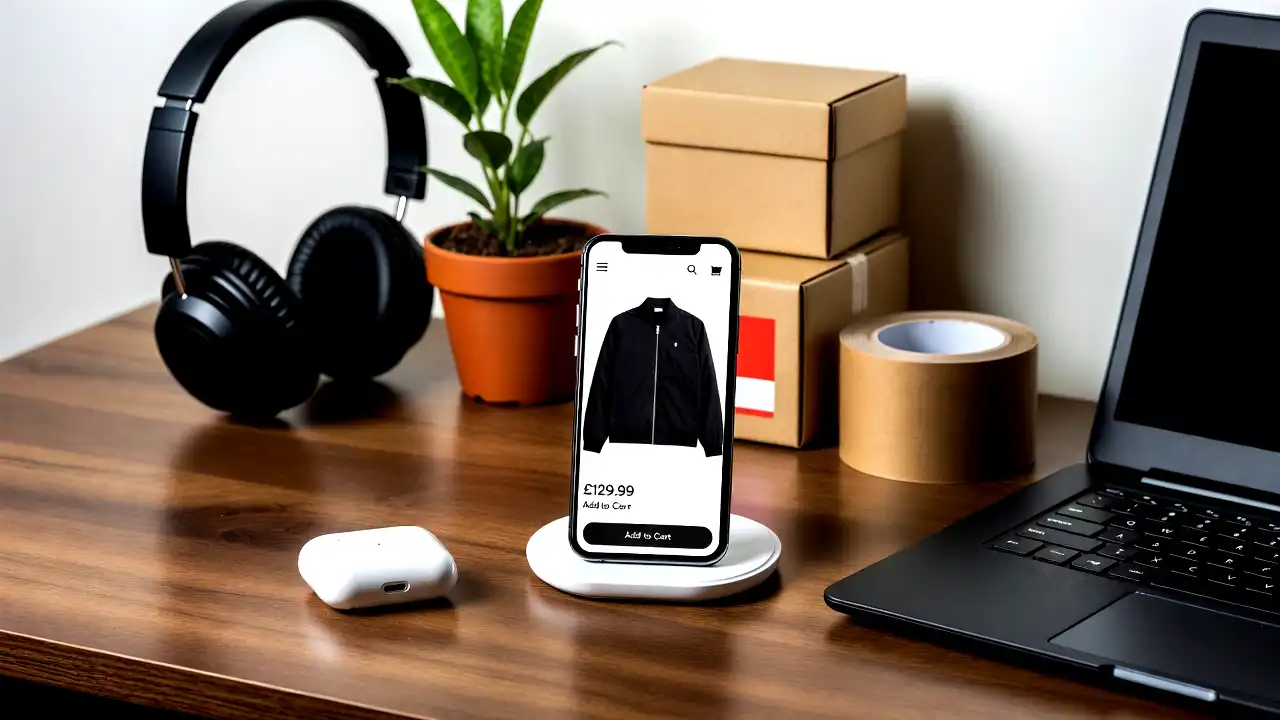
Anyone with a smartphone and a product can start a business in minutes. You set up a basic store page, upload a few photos, and tell the world you are open for business. This low barrier to entry created a historic boom in global entrepreneurship, but it also created a digital nightmare. We now live in an incredibly crowded online marketplace where millions of brands shout for our attention. Every single day, consumers face an endless barrage of ads, sponsor links, and social posts. In this digital noise, traditional marketing no longer works. To survive, a business must build a brand that stands out like a lighthouse in a storm, converting casual scrollers into loyal believers.
The Death of the Generic Product
For years, companies built businesses by finding cheap products, slapping a random logo on them, and selling them with clever ad targeting. This practice turned online stores into generic warehouses. Today, that lazy model is failing. When consumers can find 10 identical versions of the same product across different websites in 2 seconds, price becomes the only differentiator. This race to the bottom destroys profit margins. You cannot survive in a crowded market by selling a commodity. You must sell a story, an identity, and a feeling that a customer cannot copy and paste into a search engine.
Authenticity as the Ultimate Filter
Consumers have developed a sharp, internal radar for corporate deception. They are tired of glossy, over-polished ads that make promises companies cannot keep. In a crowded marketplace, raw authenticity acts as the ultimate filter. People want to see the real faces behind the brand, the messy process behind the product, and the founders’ honest values. If you run a small apparel brand, show the design sketches, the warehouse struggles, and the people sewing the fabric. This transparency builds a deep, emotional connection that no giant corporate advertising budget can buy.
The Power of the Niche Community
We used to believe that a successful brand had to appeal to everyone. We tried to build giant, broad-audience networks to maximize our reach. In a crowded digital space, trying to please everyone means you end up connecting with no one. The smartest modern brands focus on hyper-specific niches. They build dedicated communities around specific hobbies, lifestyles, or beliefs. It is much better to have ten thousand passionate, loyal fans who talk about your brand daily than a million silent followers who ignore your posts. When you own a niche, you stop competing with the global giants and start building a fortress around your own audience.
The Shift from Clicks to Retention
The cost of acquiring a new customer has reached an all-time high. Ad space on social media and search engines gets more expensive every single day because too many companies are bidding for the same screens. If a customer buys from you once and never returns, you will likely lose money on the deal. Digital branding in 2026 is no longer about getting the first click; it is about keeping the customer for life. You must turn the simple act of buying into a memorable experience. Excellent packaging, personal thank-you notes, and post-purchase support are the tools that build real loyalty and turn a one-time buyer into a lifelong advocate.
The Rise of Independent Digital Castles
Relying entirely on third-party marketplaces is a dangerous gamble. If you sell your goods solely on giant retail platforms, you are building your house on rented land. Those platforms own the data, control the customers, and can change their algorithms or fee structures overnight, destroying your business in a blink. Successful brands are building their own independent digital castles. They use modern e-commerce platforms to run their own websites, collect their own customer emails, and control their own narrative. When you own your channel, you protect your business from the unpredictable whims of the platform giants.
Navigating the AI Content Flood
Generative artificial intelligence has made it incredibly easy to produce content. Brands can now generate thousands of product descriptions, blog posts, and social media graphics with a single click. But this ease has created a massive, exhausting flood of digital noise. The internet is drowning in generic, machine-made content. To stand out, brands must double down on human creativity. We must write stories that show real human emotion, share actual lived experiences, and use raw, unedited photography. When everything else looks perfectly polished by a machine, the human touch becomes the ultimate luxury.
Consistency Across Every Digital Touchpoint
A customer does not just interact with your brand in one place. They might discover you on a social video, research you on your website, read reviews on a public forum, and receive your updates in their email inbox. If your brand looks and speaks differently across these channels, you create confusion and destroy trust. Digital branding requires total consistency. Your colors, tone of voice, values, and customer service must match perfectly across every single digital touchpoint. When a customer knows exactly what to expect from you, they feel safe enough to buy.
Conclusion
We will never return to an era where we can win customers with simple ad targeting and cheap, generic products. The online marketplace has grown too crowded, too loud, and too competitive. The businesses that survive the coming years will be the ones that understand that a brand is not just a logo; it is a promise of value, quality, and connection. By focusing on raw authenticity, owning your customer relationships, and delivering outstanding, human-centered experiences, you can rise above the digital noise. The future of e-commerce does not belong to the loudest voice, but to the most trusted one.