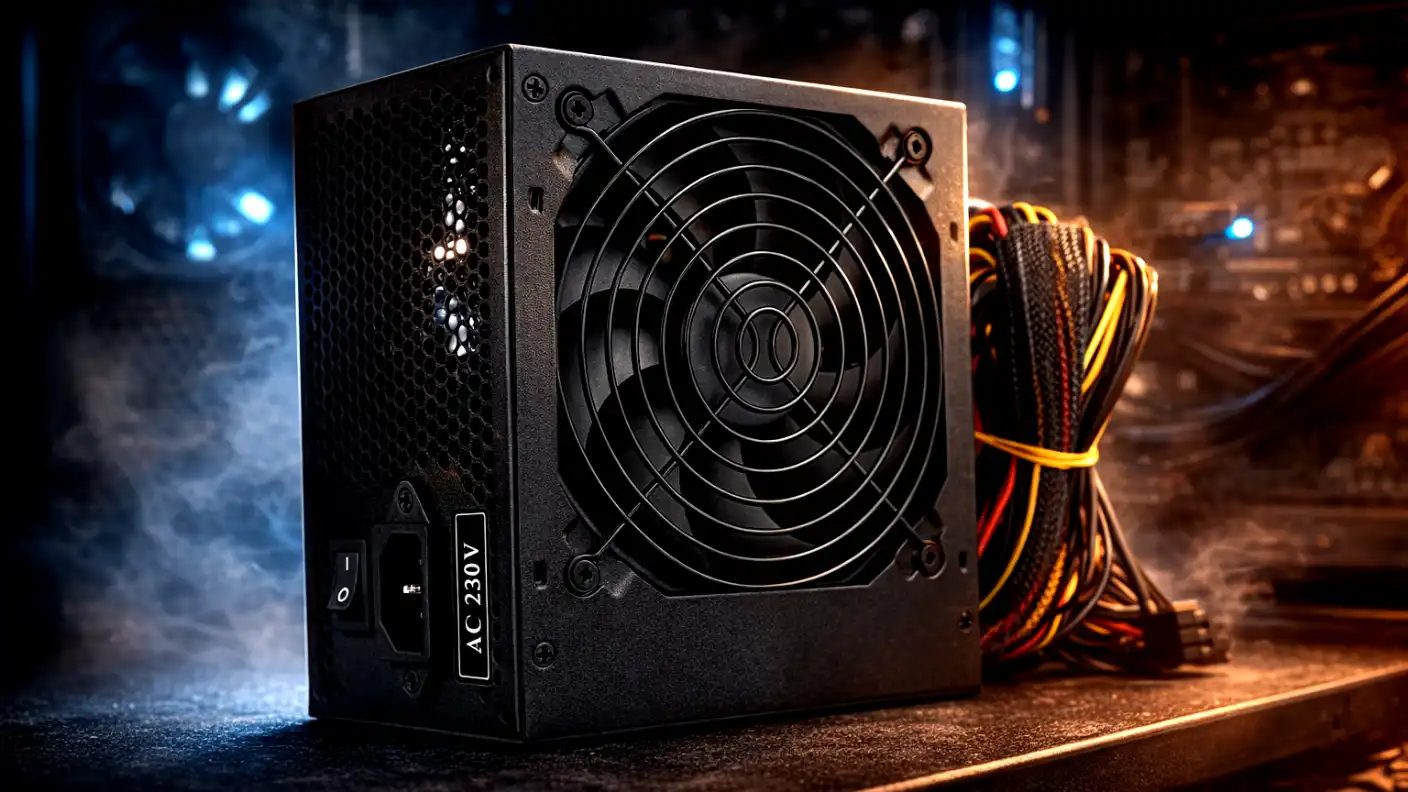
In today’s digital age, where uninterrupted power is essential for businesses and individuals alike, Uninterruptible Power Supply (UPS) systems play a crucial role in ensuring operational continuity and protecting critical equipment from power disturbances. UPS systems provide backup power during outages, voltage fluctuations, and other electrical disturbances, safeguarding sensitive electronic devices such as computers, servers, and networking equipment from damage and data loss. With their seamless transition to backup power, UPS systems offer peace of mind and reliability in an increasingly power-dependent world.
Protection Against Power Disturbances
One of the primary functions of Uninterruptible Power Supply systems is to protect electronic devices from power disturbances such as blackouts, brownouts, surges, and spikes. These disturbances can result from various factors, including lightning strikes, utility grid failures, and equipment malfunctions, and can cause significant damage to sensitive electronic equipment. UPS systems mitigate the impact of power disturbances by providing a stable and clean power supply to connected devices, ensuring uninterrupted operation and preventing damage or data loss.
Backup Power During Outages
Uninterruptible Power Supply systems provide backup power during outages, allowing connected devices to continue operating seamlessly until normal power is restored or a graceful shutdown is initiated. It is particularly critical for businesses and organizations that rely on continuous power access to maintain operations and prevent costly downtime. Uninterruptible Power Supply systems come in various sizes and capacities, ranging from small units for individual computers to large-scale systems powering entire data centers, offering flexibility and scalability to meet diverse needs.
Voltage Regulation and Conditioning
In addition to providing backup power, Uninterruptible Power Supply systems perform voltage regulation and conditioning functions to ensure the stability and quality of the power supplied to connected devices. By monitoring and adjusting the voltage levels, UPS systems help mitigate the effects of voltage fluctuations and harmonics, which can degrade the performance and lifespan of electronic equipment. It ensures that sensitive devices receive clean and consistent power, improving reliability and reducing the risk of equipment failure.
Conclusion
Uninterruptible Power Supply (UPS) systems play a vital role in ensuring operational continuity and protecting critical electronic equipment from power disturbances. UPS systems provide backup power, voltage regulation, and conditioning functions to protect sensitive devices from damage and data loss caused by blackouts, brownouts, surges, and spikes. Whether used in homes, businesses, or data centers, UPS systems offer peace of mind and reliability in an increasingly power-dependent world, ensuring uninterrupted access to power and preserving the integrity of electronic equipment.