Key Points:
- Hancock Iron Ore is cutting hundreds of jobs across its flagship Pilbara mining operations.
- The job cuts follow an operational review designed to extend the overall life of the Roy Hill mine by 10 years.
- Despite the workforce reductions, the company will maintain its annual production rate above 63 million tonnes.
- Sponsoring company Hancock Prospecting recently acquired a $1 billion stake in Elon Musk’s SpaceX.
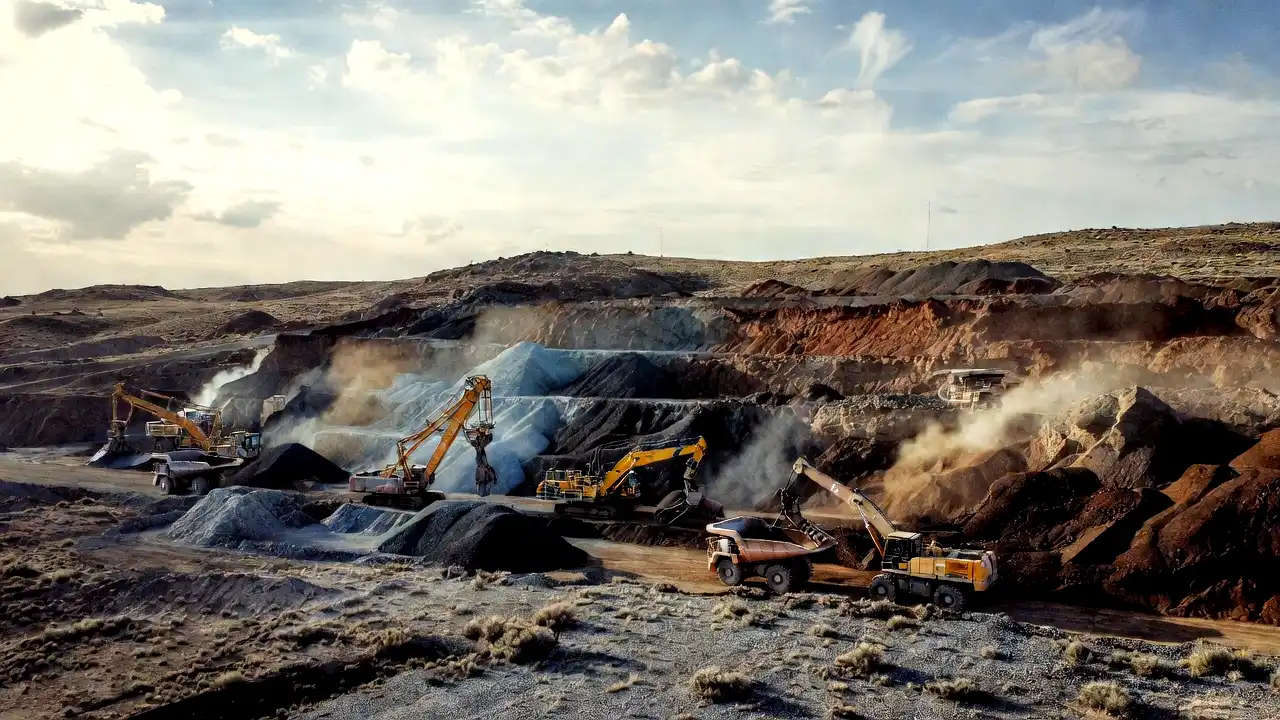
Hancock Iron Ore cuts hundreds of jobs across its Pilbara operations in Western Australia, initiating a major workforce reduction to optimize its flagship mining assets. The corporate restructuring targets the massive Roy Hill mine, which serves as the crown jewel of billionaire Gina Rinehart’s mining empire. The company recently completed its annual life-of-mine planning process, identifying immediate opportunities to streamline its physical operations. This strategic move aims to extend the overall lifespan of the aging mine while protecting corporate profit margins amidst shifting global commodity prices.
While the company has not officially declared the exact number of job cuts, regional reports suggest that more than 150 positions will be eliminated. The flagship Roy Hill mine, located north of Newman, currently employs a massive workforce of approximately 2,800 people, making it one of the largest single-site employers in Australia’s resources sector. The job cuts follow the company’s decision last year to merge its Roy Hill and Atlas Iron divisions under the unified banner of Hancock Iron Ore, a consolidation designed to eliminate redundant administrative and operational structures.
The company explained that the workforce reduction is necessary to support a highly optimized, long-term mining plan. The latest operational review identified opportunities to improve how workers mine, process, and blend iron ore across the Pilbara region. This new layout reduces immediate mining activity at the Roy Hill site but successfully extends the overall life of the mine by 10 years. By maximizing how much of the orebody the company can turn into marketable product and reducing the volume of waste material it must mine, the business can extend its operational runway by another decade.
Despite the significant workforce reductions, the company plans to maintain its massive production rate above 63 million tonnes per annum for the Roy Hill system. These massive volumes support Hancock Iron Ore’s total annual export capacity of approximately 70 million tonnes, ensuring that the company remains a primary, highly reliable supplier of steel-making materials to major Asian steel mills. By maintaining these high production targets while employing fewer personnel, the firm expects to significantly lower its unit operating costs and improve its international competitiveness.
Management handled the layoffs through direct, individual notifications to the affected personnel. The firm offered substantial exit and redundancy packages to the departing workers, alongside career transition support to help them find new employment in Western Australia’s highly active resources sector. A company spokesperson emphasized that the business did not implement the cuts due to immediate financial distress, but rather as a routine, forward-looking optimization measure to secure the long-term viability of its physical assets.
The resource sector adjustments occur as the parent company, Hancock Prospecting, pursues aggressive diversification strategies outside of traditional mining. Earlier this week, Hancock Prospecting confirmed that it acquired a significant stake in Elon Musk’s rocket and satellite company, SpaceX, during its record-shattering initial public offering on the Nasdaq. Financial reports indicate that Rinehart’s company invested more than $1 billion (approximately $1.4 billion AUD) in the SpaceX IPO. SpaceX shares have jumped over 40% in the three trading days since its listing, delivering an immediate, massive paper profit to the mining group.
The company also suffered a landmark legal defeat in the Western Australian Supreme Court recently, which has added unexpected financial pressure to the mining dynasty. The court ruled that Hancock Prospecting must pay hundreds of millions of dollars in outstanding royalties to the family of Peter Wright, the historic business partner of Rinehart’s father, Lang Hancock. Justice Jennifer Smith found that Wright Prospecting is entitled to a half-share of royalties coming from the massive Hope Downs joint venture, which exports 45 million tonnes of iron ore annually in partnership with Rio Tinto, resolving a bitter family feud that dates back to the 1950s.
These financial pressures have forced the conglomerate to tightly manage its operational expenses. The company recently warned that global iron ore demand has officially plateaued, driven primarily by a severe, multi-year slowdown in China’s property and construction sectors. As a result, the mining giant is actively shifting its capital-allocation strategies away from traditional iron ore and toward high-growth alternative materials, including lithium, rare earths, copper, and international agriculture, to protect its long-term financial health.
The historic workforce adjustments demonstrate that even the most profitable mining conglomerates must adapt to changing global economic realities. By choosing to reduce its immediate mining footprint in exchange for a 10-year extension of its mine life, the company has prioritized long-term structural resilience over short-term headcount expansion. As the company continues to transition its capital into high-tech space ventures and alternative minerals, its optimized Pilbara operations will remain the core financial engine funding its global ambitions.