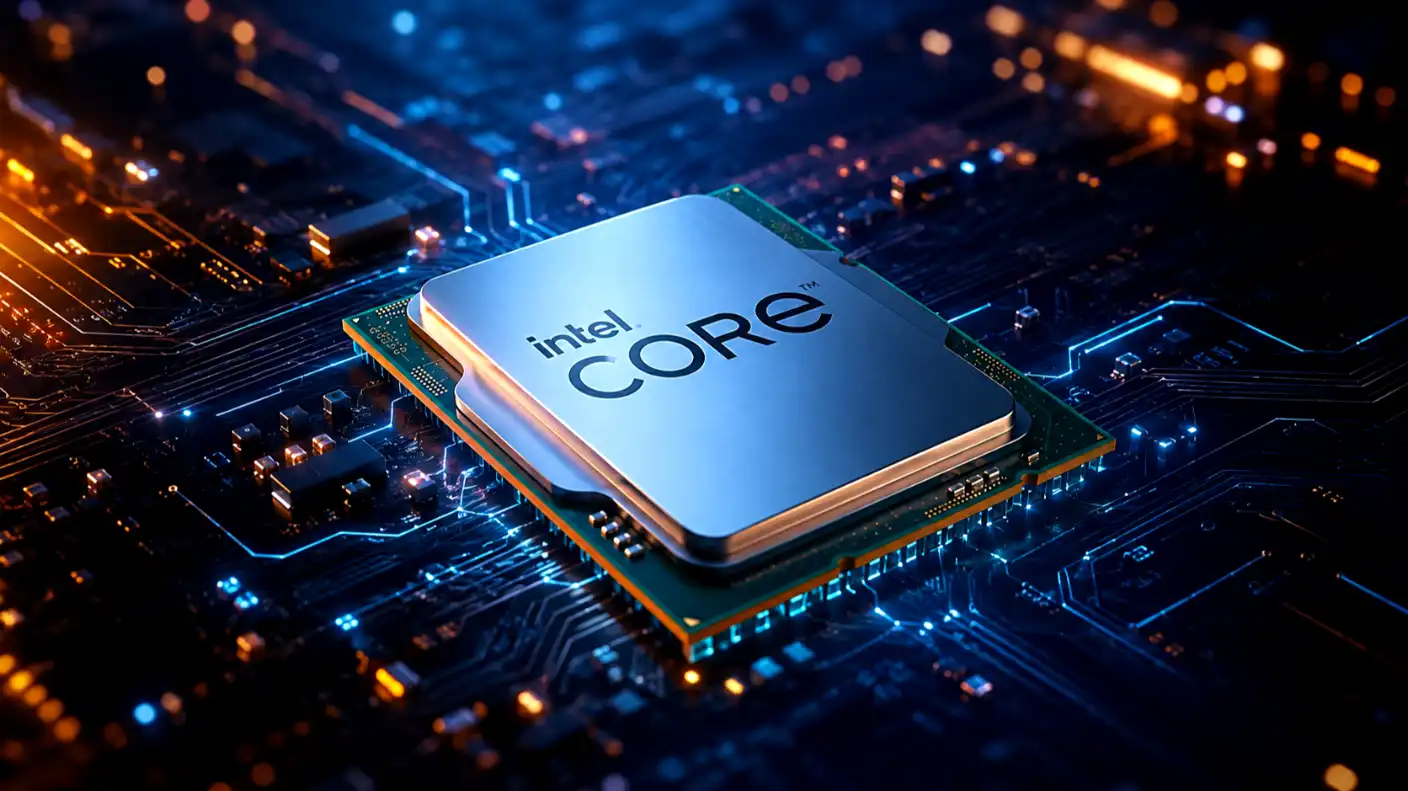
The Intel Core i9-13900KS Processor is a high-performance processor family designed and manufactured by Intel Corporation. It was first introduced in 2017 as a successor to the Core i7 series and is aimed at power users, enthusiasts, and professionals who demand the best performance from their computers.
The Core i9-13900KS 13th-generation processors are based on Intel’s x86 architecture and feature up to 24 cores and 32 threads, making them capable of handling highly demanding workloads such as video editing, 3D rendering, and gaming.
Features and Benefits
The Core i9-13900KS supports Intel Turbo Boost Max Technology 3.0 and Intel Deep Learning Boost (Intel DL Boost), which automatically increases the processor’s clock speed to deliver better performance. Some key features of the Intel Core i9-13900KS processors are listed below.
Hyper-Threading technology
Hyper-Threading technology in the Intel Core i9 processors can significantly boost performance for certain applications, particularly highly multithreaded applications. The performance benefits of Hyper-Threading may vary depending on the specific application and workload.
Intel Turbo Boost Technology
The Turbo Boost Technology is a valuable feature that can provide significant performance gains when the processor’s base clock speed is insufficient to handle a given workload. It is important to ensure the processor is adequately cooled and that the power supply can handle the increased power consumption when Turbo Boost Technology is enabled.
High-speed DDR5 memory
DDR5 RAM is the fifth-generation Double Data Rate (DDR) synchronous dynamic random-access memory (SDRAM) technology used in modern computer systems. DDR5 is designed to offer higher data transfer rates and improved power efficiency compared to its predecessors, DDR4 and DDR3. DDR5 memory modules can support speeds up to 5600 MT/s, significantly higher than DDR4’s 3200 MT/s maximum.
Advanced Vector Extensions 2
The Advanced Vector Extensions 2 (AVX2) enhances the performance of floating-point intensive applications. AVX2 is designed to accelerate applications that rely heavily on vector-based calculations, such as video and image processing, scientific simulations, and machine learning. These instructions enable the processor to perform multiple calculations per instruction, thereby significantly improving the performance of such applications.
Specifications
Intel Core i9-13900KS Processor features high-performance computing capabilities to meet modern technology demands. Some key features are listed below.
CPU Specifications
Intel Core i9-13900KS Processor has 24 cores and 32 threads, comprising 8 Performance Cores and 16 Efficient Cores. It also supports a 6.00 GHz Max Turbo Frequency, a 6.00 GHz Intel Thermal Velocity Boost Frequency, a 5.80 GHz Intel Turbo Boost Max Technology 3.0 Frequency, and a Performance-core Max Turbo Frequency of 5.40 GHz. The cache includes 36 MB of Intel Smart Cache and a total L2 Cache of 32 MB. Its Processor Base Power and Maximum Turbo Power are 150 W and 253 W, respectively.
Memory Specifications
Intel Core i9-13900KS Processor supports a Max Memory Size of 128 GB and ECC Memory. Memory Types include DDR5 5600 MT/s and DDR4 3200 MT/s. It supports up to 2 Memory Channels and 89.6 GB/s of Memory Bandwidth.
Processor Graphics
The Intel Core i9-13900KS Processor supports Intel UHD Graphics 770 with a Graphics Base Frequency of 300 MHz and a Graphics Max Dynamic Frequency of 1.65 GHz. Graphics Output includes eDP 1.4b, DP 1.4a, and HDMI 2.1. It has 32 Execution Units and supports 4096×2160 at 60Hz Max Resolution HDMI, 7680×4320 at 60Hz Max Resolution DP, and 5120×3200 at 120Hz Max Resolution eDP – Integrated Flat Panel.
Security and Reliability
The Intel Core i9-13900KS Processor’s security and reliability features include Intel Standard Manageability (ISM), Intel Control-Flow Enforcement Technology, Intel AES New Instructions, Intel Trusted Execution Technology, Execute Disable Bit, Secure Key, Intel OS Guard, Intel Boot Guard, Model-based Execute Control (MBEC), Intel Stable IT Platform Program (SIPP), Intel Virtualization Technology (VT-x), Virtualization Technology with Redirect Protection (VT-rp), Virtualization Technology for Directed I/O (VT-d), and Intel VT-x with Extended Page Tables (EPT).
Conclusions
The Intel Core i9 is a powerful, feature-packed processor with excellent performance for demanding workloads. However, it is also relatively expensive and may not be necessary for the average user who doesn’t need such high performance. This basic review of the Intel Core i9-13900KS Processor provides a clear understanding of its features and benefits.