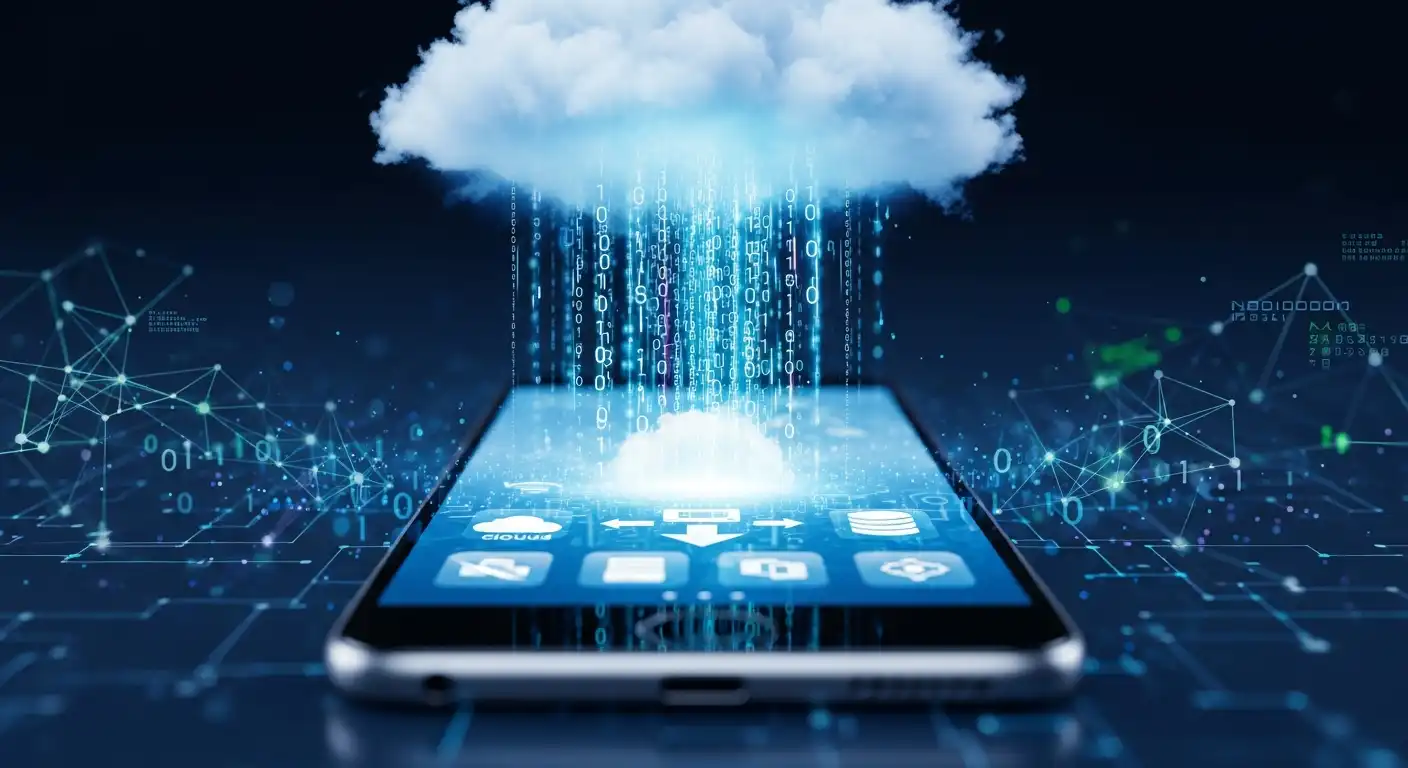
Mobile Cloud Computing (MCC) has emerged as a groundbreaking paradigm that integrates mobile devices and cloud computing to enhance the capabilities and user experience of mobile applications. In this article, we explore the concept of MCC, its components, benefits, challenges, and potential applications, highlighting its transformative impact on the future of mobile computing.
What is Mobile Cloud Computing?
Mobile Cloud Computing refers to integrating cloud computing technologies with mobile devices to enable seamless access to cloud-based resources, services, and applications via smartphones and tablets. MCC leverages the scalability, storage capacity, and computational capabilities of cloud infrastructures to augment the limitations of mobile devices.
The solution enables mobile devices to offload computational and storage tasks to the cloud, thereby providing access to unlimited resources and advanced services. By offloading resource-intensive functions to the cloud, mobile devices can conserve battery power, utilize unlimited storage, and access advanced processing capabilities. MCC enables mobile applications to perform complex computations, access real-time data, and deliver richer user experiences, while overcoming device constraints.
Components of Mobile Cloud Computing
Mobile Cloud Computing encompasses several key components that work together to enable the integration of mobile devices and cloud computing; some are discussed below.
Mobile Devices
Mobile devices are the hardware components that enable users to access and interact with mobile applications. These devices include smartphones, tablets, wearables, and Internet of Things (IoT) devices. Compared to traditional computing devices, mobile devices typically have limited computational power, storage capacity, and battery life.
Cloud Infrastructure
Cloud infrastructure comprises servers, data centers, networking, and storage resources that enable cloud computing services. It provides the scalability, reliability, and accessibility necessary to support mobile applications and handle resource-intensive tasks.
Mobile Applications
Mobile applications, also known as mobile apps, are software applications specifically designed for mobile devices. These apps can leverage the capabilities of both mobile devices and the cloud to provide a wide range of functionalities, such as communication, entertainment, productivity, and utility. Mobile applications can access cloud-based services, data, and resources to enhance performance and capabilities.
Cloud Services
Cloud services are software services and capabilities provided by cloud infrastructure. These services can include data storage, computation, communication, machine learning, artificial intelligence, and other advanced capabilities. Mobile applications can access these services through the cloud, enabling them to perform complex tasks and leverage cloud-based resources.
Benefits of Mobile Cloud Computing
Mobile cloud computing offers numerous benefits for end-users and developers, some of which are listed below.
Extended Battery Life
Mobile devices can conserve battery power by offloading resource-intensive tasks to the cloud. The cloud handles the computational workload, reducing the strain on the device’s battery and enabling extended use without frequent recharging.
Unlimited Storage Capacity
Mobile devices typically have limited storage capacity. Cloud storage allows mobile applications to seamlessly store and access large amounts of data without consuming device storage space. Users can store files, photos, videos, and other data in the cloud, thereby keeping their mobile devices free of storage limitations.
Enhanced Computational Power
Mobile devices often have limited processing capabilities. With MCC, mobile applications can leverage the vast computational power of the cloud to perform complex computations and data-intensive tasks. It enables mobile apps to deliver advanced capabilities such as real-time data processing, sophisticated image recognition, and complex analytics.
Seamless Synchronization
MCC enables seamless data synchronization across multiple devices. Users can access their data, settings, and preferences from any device connected to the cloud, ensuring a consistent and personalized user experience across various platforms. This synchronization simplifies data management and ensures data availability on different devices.
Cost Efficiency
MCC can reduce the cost of mobile application development and maintenance. By offloading computational tasks to the cloud, developers can use cost-effective cloud resources rather than invest in expensive mobile hardware upgrades. Cloud-based services also allow developers to scale their applications efficiently, paying only for the resources they consume.
Challenges in Mobile Cloud Computing
While Mobile Cloud Computing offers significant benefits, it also presents challenges, some of which are discussed below.
Network Connectivity
Mobile Cloud Computing heavily relies on network connectivity to access cloud resources. In areas with limited or unreliable network coverage, the performance and availability of cloud services may be compromised. Ensuring robust, seamless network connectivity is crucial to MCC’s success.
Latency and Response Time
The reliance on network communication introduces challenges to latency and response time in MCC. As mobile applications interact with cloud services, delays in data transmission between mobile devices and the cloud can degrade user experience. Optimizing network protocols and leveraging edge computing can mitigate latency issues and provide real-time responsiveness.
Data Security and Privacy
Mobile cloud raises concerns about data security and privacy. Transmitting sensitive data between mobile devices and the cloud introduces the risk of unauthorized access, breaches, or privacy violations. Implementing robust encryption, authentication, and secure transmission protocols is essential to safeguarding user data and maintaining privacy within MCC.
Vendor Lock-In
Adopting mobile cloud computing often involves relying on specific cloud service providers, which can lead to vendor lock-in. Switching cloud service providers may be challenging due to interoperability issues and data migration complexities. To maintain flexibility and avoid dependency on a single provider, it is important to consider vendor neutrality and portability when designing mobile cloud solutions.
Applications of Mobile Cloud Computing
Mobile cloud computing has vast applications across various domains and industries, some of which are listed below.
Mobile Gaming
MCC enables immersive and resource-intensive gaming experiences on mobile devices. By offloading computational tasks to the cloud, mobile games can deliver high-quality graphics, multiplayer capabilities, and real-time interactions. Cloud-based game streaming services allow users to play high-end games on low-end devices, eliminating the need for expensive gaming hardware.
Enterprise Mobility
Cloud computing empowers enterprise mobility by providing mobile employees access to enterprise resources and applications from anywhere. Mobile devices can securely access enterprise applications hosted in the cloud, allowing employees to collaborate, access data, and perform work tasks remotely. MCC enhances productivity, flexibility, and collaboration in a mobile work environment.
Mobile Health (mHealth)
MCC has transformative applications in healthcare. It enables remote patient monitoring, telemedicine, and mobile health applications. Mobile health solutions can collect health data from wearable devices, transmit it securely to the cloud for analysis, and provide real-time health insights to healthcare professionals. The solution improves healthcare access, enhances patient care, and facilitates personalized medicine.
Mobile Commerce (mCommerce)
It plays a vital role in mobile commerce by enabling secure and convenient mobile payment services. Mobile commerce applications can leverage cloud-based payment processing, inventory management, and customer relationship management services. MCC enhances the user experience, simplifies transactions, and facilitates seamless integration between mobile apps and e-commerce platforms.
Mobile Learning (mLearning)
The solution facilitates mobile learning by providing access to educational resources and content anytime, anywhere. Cloud-based learning platforms and mobile applications enable students to access course materials, collaborate with peers, and engage in interactive learning experiences. Mobile cloud computing enhances personalized learning, promotes remote education, and fosters lifelong learning opportunities.
Future Directions of Mobile Cloud Computing
Mobile Cloud Computing is expected to continue to evolve and shape the future of mobile computing. Some future directions are discussed below.
Edge Computing Integration
Integrating edge computing with mobile cloud solutions can address latency and responsiveness challenges. Edge computing brings computing resources closer to mobile devices, reducing the need for round-trip communication with the cloud. By processing data and executing tasks at the network edge, MCC can provide faster response times, improved real-time interactions, and reduced network dependencies.
Artificial Intelligence and Machine Learning
Integrating artificial intelligence (AI) and machine learning (ML) techniques with mobile cloud computing can enhance the capabilities of mobile applications. AI-powered cloud services can provide mobile apps with intelligent recommendations, predictive analytics, natural language processing, and image recognition functionalities. This integration can enable personalized experiences, context-aware applications, and advanced data analysis on mobile devices.
5G Networks
The deployment of 5G networks will further propel MCC’s potential. 5G networks offer significantly faster speeds, lower latency, and increased network capacity, enabling seamless and responsive access to cloud services. With 5G networks, the mobile cloud will unlock new opportunities for real-time applications, augmented reality, virtual reality, and Internet of Things (IoT) devices.
Mobile Edge Computing
Mobile Edge Computing (MEC) integrates cloud computing capabilities at the network edge, closer to mobile devices. Placing computing resources near mobile users reduces latency and network congestion. MCC can leverage MEC to enhance mobile application performance, enable edge analytics, and support low-latency applications such as autonomous vehicles and industrial IoT.
Security and Privacy Enhancements
As MCC expands, there will be an increased focus on addressing security and privacy concerns. Advancements in encryption techniques, secure protocols, and privacy-preserving algorithms will enhance the security of data transmission and storage in mobile cloud environments. Additionally, privacy regulations and standards will evolve to protect user data and maintain trust in mobile cloud services.
Conclusion
Mobile Cloud Computing represents a transformative paradigm that integrates mobile devices and cloud computing to deliver enhanced mobile applications and services. The solution offers extended battery life, unlimited storage capacity, and augmented computational capabilities, empowering users and developers alike. Despite challenges related to network connectivity, latency, and data security, the mobile cloud supports applications in gaming, enterprise mobility, healthcare, commerce, and education. With careful consideration of challenges and the adoption of best practices, mobile cloud computing will play a significant role in shaping the future of mobile computing and empowering users in the digital age. As the cloud computing solution evolves, integration with edge computing, AI/ML techniques, 5G networks, and enhanced security measures will shape its future. Combining MCC with these advancements will unlock new possibilities, delivering real-time interactions, personalized experiences, and innovative mobile applications.