Key Points:
- The new OS features an advanced, on-device AI system that can perform complex multi-step tasks across different apps without constant user guidance.
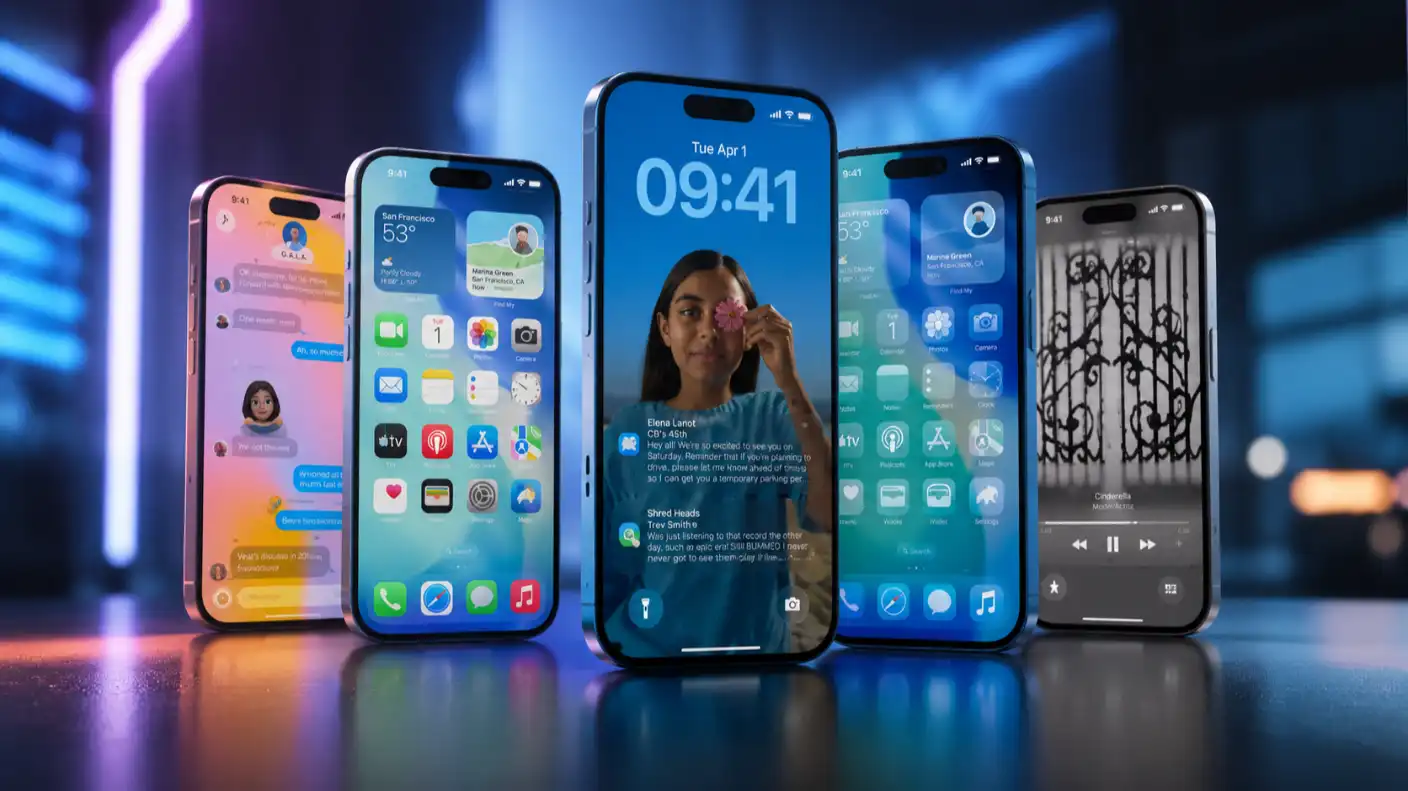
- Users can now place widgets and app icons anywhere on the grid, including the ability to change icon shapes and color themes to match specific modes or times of day.
- All new AI processing happens locally on the device, ensuring that sensitive personal data never leaves the handset to be processed on external servers.
- The Messages and Mail apps now leverage generative AI to summarize lengthy threads, draft professional responses, and automatically categorize incoming mail with 98% accuracy.
Apple has officially pulled back the curtain on iOS 27, the latest iteration of its mobile operating system that promises to fundamentally change how users interact with their iPhones. With a heavy emphasis on deeper artificial intelligence integration, revamped personalization options, and enhanced privacy protections, this update represents one of the most ambitious software launches in recent history. Millions of iPhone users worldwide can look forward to a more proactive interface that anticipates needs, streamlines daily tasks, and offers a level of control over the user experience that was previously impossible.
The star of the iOS 27 show is undoubtedly the new intelligent framework, which Apple calls “Apple Intelligence Pro.” Unlike earlier versions that focused on simple suggestions, this iteration acts more like a personal assistant. For instance, a user can simply tell their phone, “Find the last three invoices from my builder, summarize the total costs, and draft an email to my accountant.” The system navigates files, pulls the relevant data, and prepares the draft in seconds. This jump in capability is designed to save the average power user roughly 30 to 45 minutes of manual work every single day.
Apple has also finally listened to years of user feedback regarding home screen aesthetics. iOS 27 introduces a completely flexible grid layout. Gone are the days of rigid, top-aligned app placement. Users can now space out their apps, create empty gaps for better wallpaper visibility, and even group apps into custom-themed folders that change automatically based on the user’s focus profile. This adds a layer of personalization that turns every iPhone into a unique reflection of its owner’s style and workflow.
Battery health management and system performance also see significant improvements in this version. Engineers have optimized the background processing architecture, allowing for a 12% improvement in overall battery longevity, particularly for older device models. The OS now intelligently throttles non-essential background tasks during periods of low activity. This ensures that the phone stays cooler and retains its charge longer, even when running the heavy, on-device AI workloads that define the iOS 27 experience.
Privacy remains the cornerstone of Apple’s strategy. By dedicating a massive portion of the new A-series chip’s neural engine to local processing, the company eliminates the need to rely on the cloud for personal data. This means that even the most complex AI requests are handled securely on your device. For users who value their digital sovereignty, this is a massive win, effectively rendering the risk of data leaks from remote servers a non-issue.
Beyond these major changes, iOS 27 introduces a revamped Control Center that allows users to create their own custom dashboards. You can add buttons for specific smart home scenes, health tracking metrics, or even quick shortcuts to your favorite AI agents. The level of customization is staggering, with over 150 different toggle combinations now available. Early testing suggests that users who take the time to set up these dashboards find them essential for controlling their digital environment.
Apple also focused heavily on accessibility, introducing a new feature that uses the iPhone’s advanced lidar and camera sensors to describe surroundings to visually impaired users in real-time. The system can identify objects, read signs, and even recognize faces with impressive speed. This commitment to inclusive design continues to set Apple apart from its competitors. As the company rolls out these features, it is clear that they are positioning the iPhone not just as a communication tool, but as an essential, intelligent partner for life’s daily challenges.