Key Points:
- Alcoa agreed to acquire South32’s bauxite, alumina, and aluminum assets for an upfront consideration of approximately $4.1 billion.
- The transaction carries an implied enterprise value of up to $5.6 billion, with Alcoa assuming $1.2 billion in site rehabilitation liabilities.
- The deal enables South32 to execute a strategic pivot to base metals, cutting its pro forma operational emissions by 95 percent.
- Alcoa expects the globally diversified upstream expansion to generate approximately $900 million in operational cost synergies.
The global metals and mining sector has witnessed its most significant consolidation in years. U.S. aluminum giant Alcoa Corporation has entered into a definitive agreement to acquire the extensive bauxite, alumina, and aluminum assets of Australian miner South32 Limited. The blockbuster transaction, which carries an upfront consideration of approximately $4.1 billion in cash and stock, represents an implied enterprise value of up to $5.6 billion when factoring in assumed debt and liabilities. This massive deal unites some of the world’s most critical upstream assets under a single operational banner, drastically reshaping the global aluminum supply chain as industrial demand for lightweight, recyclable metals continues to climb.
The financial structure of the deal represents a highly calculated transfer of both near-term capital and long-term liabilities. Alcoa will pay an upfront consideration consisting of $3.1 billion in cash and a substantial block of its own common stock, providing South32 with immediate liquidity and an ongoing equity stake in the expanded enterprise. Additionally, the transaction includes a contingent value right of up to $750 million, enabling the seller to receive additional payments linked directly to future alumina and aluminum prices over four annual periods starting July 1, 2026. Beyond the nominal purchase price, the American producer will also assume approximately $1.2 billion in long-dated rehabilitation and site-closure liabilities, taking the slow-moving cash drain off the seller’s balance sheet.
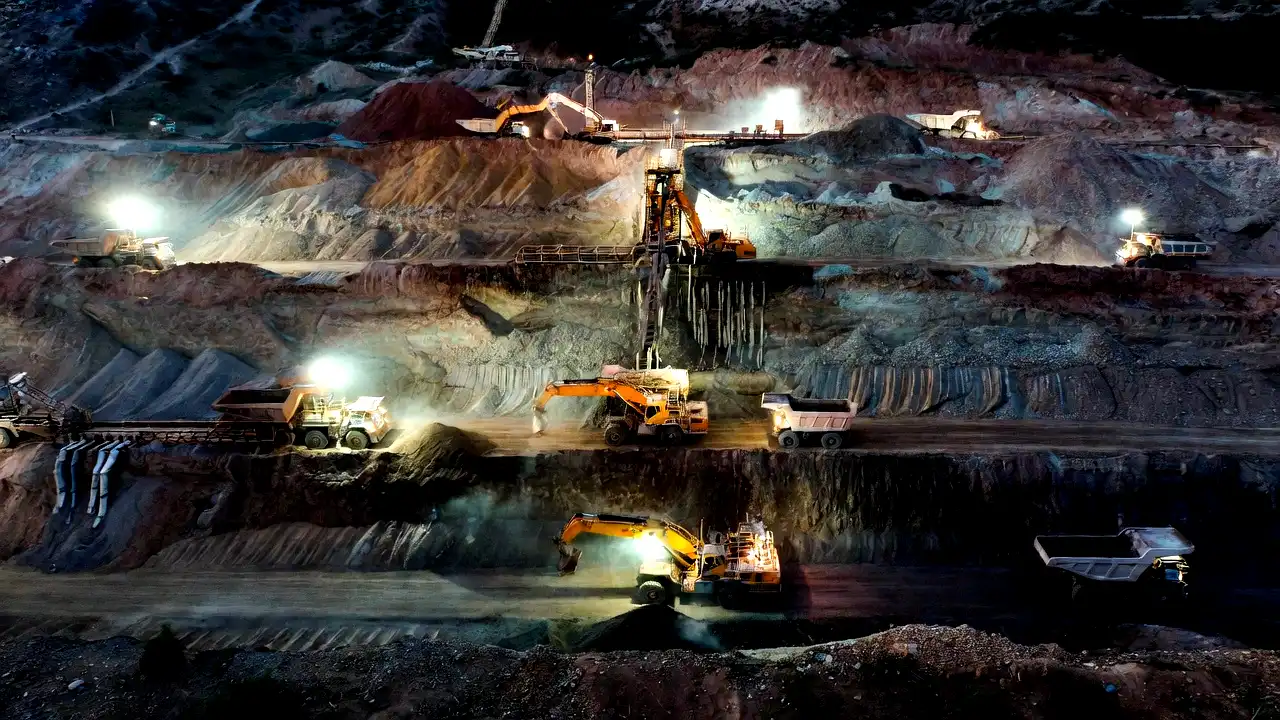
Through this acquisition, Alcoa secures a highly coveted portfolio of globally diversified, low-cost mining, refining, and smelting operations. The deal includes South32’s interests in the massive Boddington bauxite mine and the Worsley Alumina refinery in Western Australia, which operates one of the longest overland conveyor belts in the Southern Hemisphere. It also shifts ownership of the massive Hillside Aluminium smelter in South Africa, as well as critical Brazilian operations including the MRN bauxite mine, the Brazil Alumina refinery, and the Alumar aluminum smelter. This comprehensive asset transfer cements the American company’s position as a dominant, globally integrated leader in pure-play upstream aluminum production.
The primary motivation behind this massive expansion is the capture of significant operational efficiencies. By integrating these geographically dispersed assets into its existing global mine-to-metal platform, Alcoa expects to generate approximately $900 million in net present value synergies. The company’s leadership teams expect the unified system to be immediately accretive to earnings per share and free cash flow following the final close of the transaction. By expanding its physical footprint in secure, tier-one mining jurisdictions like Australia, Brazil, and South Africa, the company is insulating its supply chain from rising geopolitical trade barriers.
For South32, the transaction represents a decisive, strategic pivot away from the carbon-intensive aluminum smelting business and toward high-yield base and precious metals. Upon completion of the sale, the Perth-based miner will become a highly streamlined developer focused predominantly on copper, zinc, silver, and lead, with these metals expected to generate roughly 85% of its pro forma earnings. Furthermore, offloading the coal-powered Hillside smelter in South Africa will immediately cut the company’s pro forma operational carbon emissions by an astonishing 95% compared to fiscal year 2025 levels, helping the firm satisfy its strict environmental, social, and governance targets.
The strategic divestment also allows South32 to radically simplify its corporate structure and slash unnecessary overhead. Operating a sprawling, global aluminum value chain requires massive administrative management and high corporate costs. By offloading these assets, the company’s newly appointed Chief Executive Officer, Matt Daley, intends to build a leaner, higher-margin corporate support structure. The company has established a target of achieving $125 million in annual overhead savings by fiscal year 2029. Additionally, the massive cash influx from the sale will fund an initial $500 million special dividend, immediately rewarding loyal shareholders.
The announcement of the $5.6 billion transaction coincides with a planned, high-profile transition of the mining group’s executive leadership. Matt Daley, who previously served as the company’s chief operating officer, has officially assumed the role of Chief Executive Officer. He takes the reins from founding CEO Graham Kerr, who has stepped down after successfully leading the company since its historic spin-off from BHP Billiton in 2015. To ensure a seamless transition and support the complex, multi-year integration process leading up to the final close, Kerr will remain with the company in a strategic advisory role.
While the strategic logic of the transaction has been praised by market analysts, the two companies face a long and highly complex path to final closing. Because the assets are spread across three continents, the transaction is subject to rigorous antitrust reviews, foreign investment clearances, and regulatory approvals from governments in Australia, South Africa, and Brazil. This extensive regulatory gauntlet means that the transaction is not expected to officially close until the second half of 2027. This long transition window leaves ample time for commodity prices, operating costs, and international trade policies to shift, meaning both companies must remain highly disciplined.
Ultimately, the massive corporate reshuffle highlights a fundamental truth of the modern industrial landscape: the global energy transition requires unprecedented amounts of physical metal. Lightweight, highly conductive, and infinitely recyclable, aluminum has become an indispensable material for constructing electric vehicles, solar arrays, wind turbines, and modern electrical grids. By acquiring these low-cost, globally diversified assets, Alcoa is betting heavily on the long-term, non-speculative growth of the green transition. As regulatory pressures continue to reshape global mining, the companies that can successfully secure, refine, and deliver these critical materials with the highest efficiency will continue to lead the way.