Key Points:
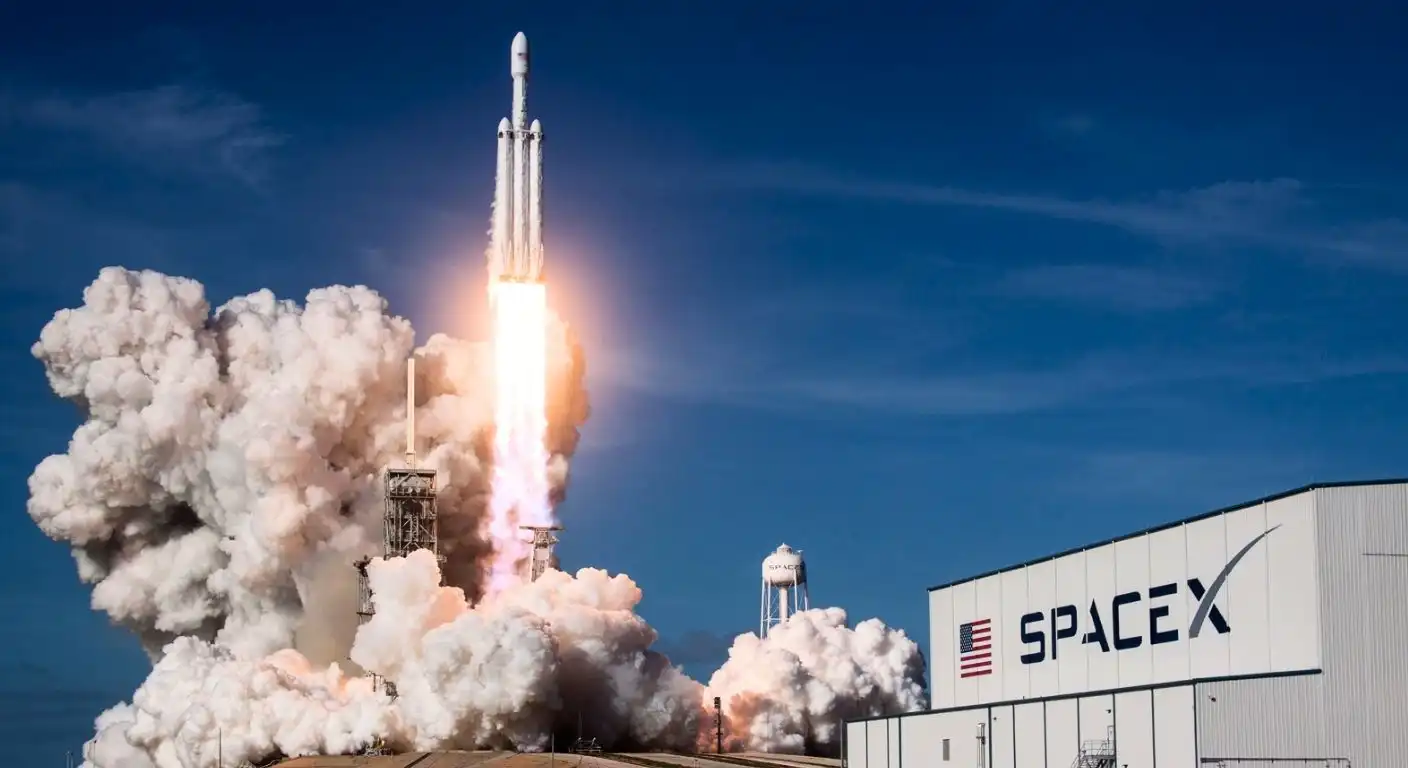
- SpaceX’s historic June 12 IPO raised a record-breaking $75 billion on the Nasdaq, establishing a new valuation high of over $2 trillion.
- The listing serves as an active template for upcoming mega-cap public debuts, including confidential filings by AI giants OpenAI and Anthropic.
- To protect the stock from sudden selloffs, the company engineered a highly structured, staggered insider lock-up period.
- The offering democratized public market access by reserving an unprecedented 25 percent of the total shares exclusively for retail investors.
The traditional playbook for how the world’s most valuable technology startups fund their growth is undergoing a massive, structural redesign. For over a decade, hyper-growth private firms chose to remain private as long as possible, relying on a steady stream of cheap venture capital to delay public market scrutiny. However, as the physical infrastructure demands of the artificial intelligence and aerospace revolutions require hundreds of billions of dollars, private funding is proving entirely insufficient. The historic, record-breaking public listing of Elon Musk’s SpaceX has established a highly successful new precedent, acting as the ultimate SpaceX IPO blueprint for an upcoming, massive wave of mega-cap technology listings preparing to cross the public threshold in the coming years.
The physical scale of the June 12 debut highlights the massive financial dynamics currently reshaping the capital markets. Listing on the Nasdaq exchange under the ticker symbol SPCX, the aerospace and digital infrastructure giant priced its initial public offering at a fixed rate of $135 per share. The historic transaction raised a record-shattering $75 billion in fresh capital, easily smashing Saudi Aramco’s 2019 record of $29 billion to become the single largest IPO in global stock market history. Within its first few days of active trading, the stock surged past $161 per share, vaulting the company’s market capitalization past the $2 trillion milestone and making Elon Musk the world’s very first paper trillionaire.
The most significant lesson that the debut has taught capital markets is that public investors have an immense, non-speculative appetite for high-growth, high-utility mega-caps, even when they carry heavy short-term operating losses. Historically, investment bankers warned companies that listing on public exchanges with large losses was a major corporate taboo. Yet, the newly public company filed its prospectus showing a net loss of $4.9 billion for the previous fiscal year, driven entirely by massive, forward-looking capital expenditures into orbital AI data centers and next-generation reusable rocket systems. The overwhelming investor demand proves that Wall Street is fully prepared to look past short-term losses if the company possesses a clear, unassailable monopoly over critical global infrastructure.
A major structural innovation of the transaction that other upcoming listings are eager to copy is its unprecedented allocation to everyday retail investors. Traditionally, investment banks reserve 90% to 95% of highly sought-after IPO shares for large-scale institutional managers, mutual funds, and wealthy high-net-worth clients, leaving retail buyers with virtually no day-one access. By contrast, the company’s lead underwriters—led by Goldman Sachs and Morgan Stanley—reserved an unprecedented 25% of the total offering exclusively for retail investors. This democratized allocation successfully built a highly loyal, grassroots shareholder base, while shielding the stock price from being completely controlled by short-term institutional speculators.
To protect the stock price from a sudden collapse when early employees and venture capitalists decide to lock in their paper gains, the company’s legal advisers engineered a highly innovative, staggered lock-up structure. Traditional public offerings enforce a strict, blanket 180-day lock-up period where no insider can sell. Under the new model, early investors can sell up to 20% of their shares immediately after the company releases its first post-IPO quarterly earnings report, with further portions unlocking across six distinct windows over the next six months. Crucially, Elon Musk—who retains 42% of the equity and a dominant 82% of the voting power—is subject to an extended 366-day lock-up, proving his long-term alignment with public shareholders.
This successful public debut has handed a major green light to a new generation of private tech giants who are currently facing their own massive capital constraints. For several years, advanced software and artificial intelligence startups have managed to fund their operations using private venture capital rounds. However, as the computational costs of training frontier models skyrocket, these private resources are running dry. The private-to-public transition has become an urgent funding necessity rather than a strategic choice, forcing these massive, capital-intensive private companies to prepare their own public market debuts to tap into the deep liquidity pools of the global stock exchanges.
The first major players poised to follow this newly established public blueprint are the twin giants of the artificial intelligence sector: OpenAI and Anthropic. Capital markets analysts report that both startups have recently taken the formal step of confidentially submitting draft S-1 registration statements to the Securities and Exchange Commission, preparing for their own historic public debuts next year. Both companies are facing immense financial pressure to fund their multi-billion-dollar computing contracts and custom chip-design initiatives. By utilizing the structured lock-up agreements, high retail allocations, and forward-looking infrastructure narratives pioneered by the space giant, these AI firms hope to secure similar, trillion-dollar public market valuations.
This upcoming wave of public listings represents a vital mechanism to fund the staggering, multi-billion-dollar capital expenditure budgets demanded by the next phase of the digital revolution. According to independent market strategy studies, the world’s leading technology hyperscalers have committed capital expenditures exceeding $713 billion for the year, with total infrastructure spending projected to scale past $1 trillion annually by 2029. To survive and compete in this capital-intensive environment, independent developers cannot rely solely on commercial partnerships and cloud credits. They must possess direct, independent access to the public equity markets to finance their own proprietary computing clusters, network channels, and database centers.
Ultimately, the historic listing of Elon Musk’s aerospace giant has rewritten the rules of corporate finance for the high-tech sector. By proving that public markets possess the scale, patience, and appetite to fund multi-trillion-dollar infrastructure bets, the transaction has permanently reopened the IPO pipeline for massive, private technology leaders. As OpenAI and Anthropic prepare to cross the public threshold, they are inheriting a highly detailed, legally tested blueprint that treats public shareholders as active partners in building the future. The era of high-growth tech companies quietly hoarding their value inside private venture portfolios is officially over, replaced by a highly dynamic, public-market-driven race for technological supremacy.