Key Points:
- Alibaba has been officially removed from a U.S. government blacklist that previously alleged the company maintained ties to the Chinese military.
- The reprieve allows institutional investors to return to the stock, reversing a period of volatility that had previously wiped out billions in market value.
- This legal win demonstrates the company’s successful efforts to prove its commercial independence and commitment to global business standards.
- The decision significantly reduces the “geopolitical risk” premium associated with Alibaba shares, positioning the firm for a potential rebound in foreign investment.
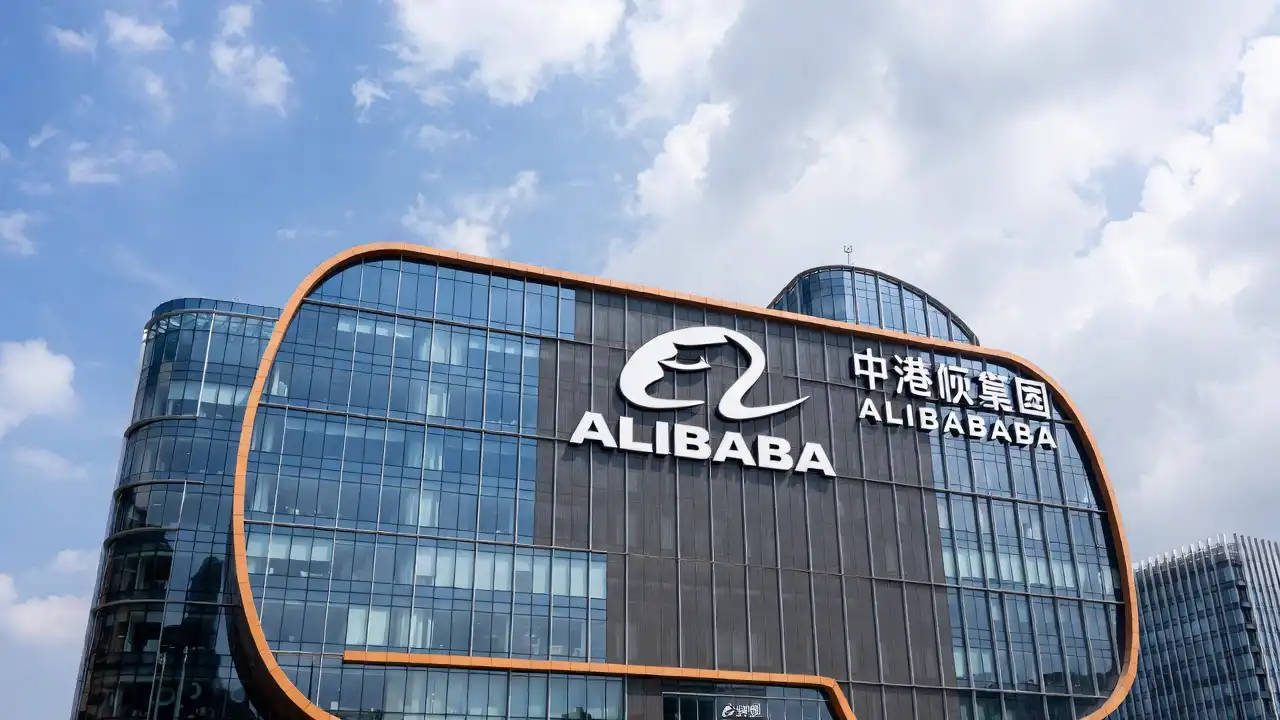
Alibaba Group has secured a massive reprieve from the U.S. government, successfully challenging its inclusion on a restrictive list that accused the tech giant of having ties to the Chinese military. This decision marks a significant turning point for the e-commerce and cloud computing leader, which had been operating under the shadow of potential investment bans and export limitations for months. The removal provides Alibaba with a much-needed boost in investor confidence, clearing the way for the company to reconnect with global capital markets and resume its international expansion strategy without the threat of imminent sanctions.
For the past year, Alibaba lived under the cloud of this classification, which severely limited its ability to partner with Western tech firms and raised alarms among international pension funds. Many institutional investors, governed by strict mandates that prohibit holding assets on certain government lists, were forced to divest their positions. The resulting sell-off was dramatic, causing the company’s stock to slide and making it difficult for the firm to raise the capital required for its massive AI infrastructure and cloud computing upgrades. With the label officially removed, the company is now free to pursue partnerships that were previously frozen in limbo.
The legal strategy used by the firm was both methodical and aggressive. By presenting exhaustive documentation regarding its corporate governance, ownership structure, and the separation of its data from state military objectives, Alibaba’s legal team managed to convince authorities that the original designation was based on flawed evidence. This win is a powerful signal to other Chinese tech firms that the path to regulatory relief is through transparency and formal legal challenges, rather than passive acceptance of government-imposed labels. It shows that even in an era of heightened national security concerns, fact-based appeals can lead to successful outcomes.
This development is especially vital for the company’s AI and cloud divisions. Alibaba has been pouring over $1 billion annually into the development of high-performance data centers and proprietary generative AI models. Without access to global capital and the ability to collaborate with international software partners, maintaining this level of innovation would have been nearly impossible. Now, the company can re-engage with its global cloud clients, many of whom had paused their expansion into Alibaba’s ecosystem due to the uncertainty surrounding the blacklist. The return of these corporate customers could see a 1.5% to 2% increase in regional market share by the end of the year.
While the current relief is celebrated, company leadership knows that the broader environment remains tense. The U.S.-China technology relationship is still subject to frequent and unpredictable changes, often tied to political shifts in Washington. However, this win provides a crucial buffer. By proving it can withstand and successfully challenge government accusations, Alibaba has demonstrated its resilience. The management team is now focused on “repairing the bridge” with global shareholders, promising a return to steady growth and a renewed focus on AI-driven e-commerce innovation.
The impact of this news has been immediate. The stock saw a strong rally upon the announcement, as short-sellers scrambled to cover their positions and long-term funds began the process of re-entering the market. Financial experts note that the removal of this “black swan” risk fundamentally changes the firm’s valuation floor. Investors no longer need to price in the “zero-value scenario” that often accompanies companies on restricted lists. This move toward stabilization is exactly what the company needs as it prepares for its next major push into the international AI hardware market.
Looking toward the future, the firm’s strategy centers on “de-politicization.” The company is working to isolate its core e-commerce and cloud business from the broader geopolitical friction. By emphasizing its role as a service provider for thousands of small businesses and international brands, it hopes to move the narrative away from “national security risk” and back to “market-driven growth.” This is a difficult transition, as the global public remains deeply skeptical of Chinese tech giants, but this legal victory gives the company the breathing room it needs to demonstrate its value.
Ultimately, the removal of this restriction proves that the tech world remains deeply intertwined. Despite the rhetoric of “de-coupling,” the reality is that major companies in the U.S. and China rely on each other for everything from data processing to component manufacturing. This decision serves as a pragmatic recognition of that interdependence. While there will certainly be future disputes and regulatory challenges, the fact that a company of Alibaba’s size can successfully clear its name offers a glimmer of hope that the future of international trade can still be managed through rule-of-law processes rather than just broad-spectrum bans.
For TechGolly readers, the takeaway is clear: the tech market is entering a new phase where legal and regulatory maneuvering is just as important as code and hardware. As Alibaba begins to integrate its newly unlocked resources into its AI roadmap, the entire sector will be watching to see how quickly it can regain its former status as a premier tech giant. The reprieve is just the first step, but for a company that had nearly everything to lose, it is the most important step of the year.