Key Points:
- Samsung Electronics America will cut 739 jobs at its Englewood Cliffs, New Jersey headquarters, according to state labor filings.
- The massive downsizing follows a controversial decision to relocate the North American headquarters to Plano, Texas.
- The New Jersey facility was opened just eight months prior in September 2025 following a multi-million-dollar renovation.
- The layoffs coincide with a global corporate mandate to cut sales and marketing staff by 15% and administrative roles by 30%.
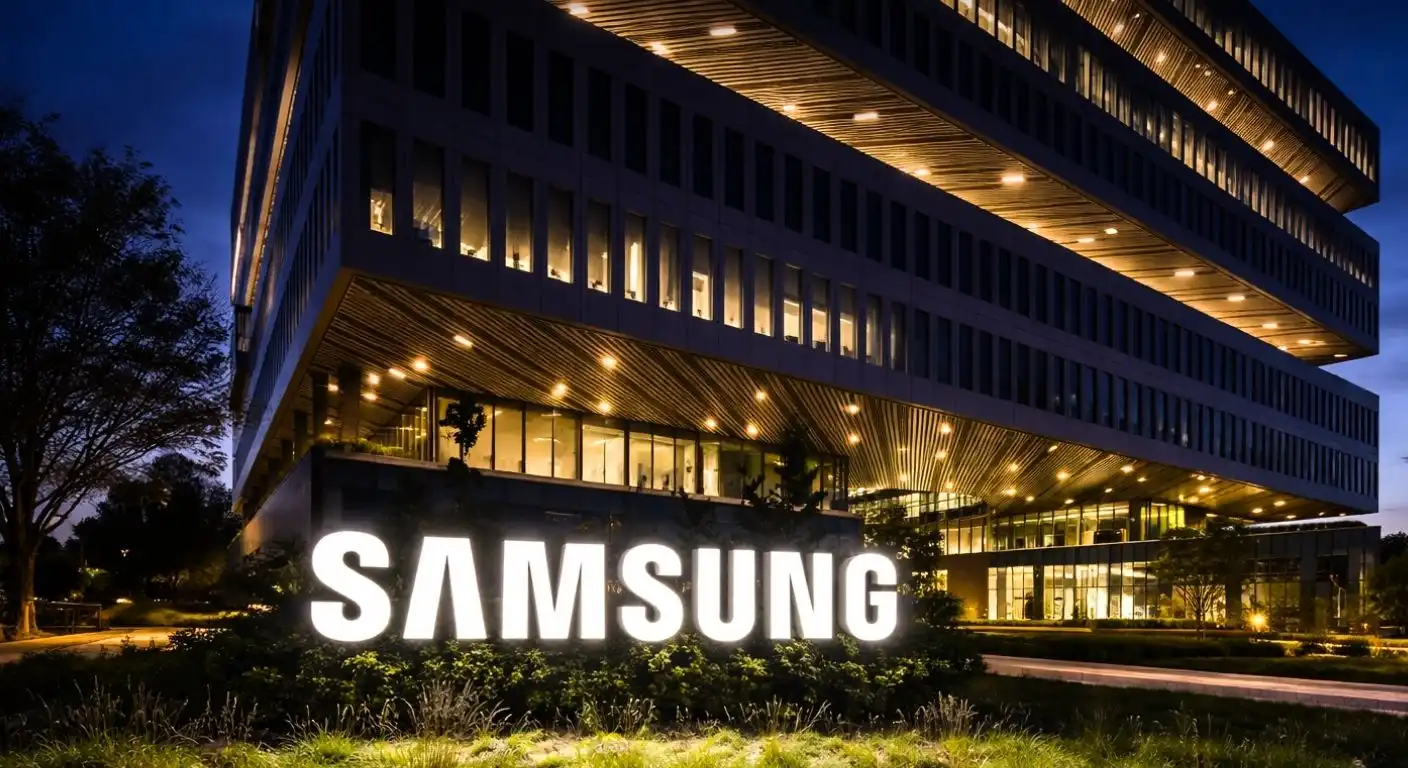
A major restructuring at one of the world’s most prominent consumer electronics giants has hit East Coast operations, signaling a rapid shift in corporate geographic strategy. Samsung Electronics America has filed a state labor disclosure confirming a reduction of its workforce by 739 positions at its facility in Englewood Cliffs, New Jersey. This massive downsizing marks a rapid unwinding of the company’s regional presence and follows a controversial decision to relocate its North American corporate headquarters to a centralized hub in Texas by the end of the year.
The large-scale staff reduction and headquarters relocation have generated intense discussions regarding corporate cost management. The company officially completed a multi-million-dollar renovation of its Englewood Cliffs corporate campus, celebrating the grand opening of the newly updated headquarters. However, less than a year after cutting the ribbon on the New Jersey facility, corporate leadership decided to abandon the site. The decision to consolidate operations at the pre-existing Legacy Central campus in Plano, Texas, left approximately 1,200 New Jersey-based employees facing a difficult choice between relocating their families or losing their jobs.
The structural scale of the downsizing stands out clearly in the state’s Worker Adjustment and Retraining Notification (WARN) registry. The official filing confirms that 739 employees at the Englewood Cliffs site will lose their jobs as part of the corporate exit from the state. This massive workforce reduction represents more than 60% of the company’s local employee base, dealing a heavy blow to the regional tech economy. The job cuts will take effect progressively over the coming months as the company prepares its physical transition to the southern United States.
The corporate exodus has sparked significant political anxiety in New Jersey, where policymakers are grappling with an accelerating trend of corporate relocations. Local legislators and business groups are calling for urgent public policy reforms to lower the state’s sales tax from 6.6% to 6.0% and reduce regulatory red tape to improve the local business climate. State assembly representatives warn that high corporate tax burdens and complex permitting hurdles are actively driving major employers and high-paying technology jobs away from the region, leaving the local tax base increasingly hollowed out.
This North American restructuring is occurring alongside a broader, highly aggressive global cost-cutting campaign. Under a worldwide efficiency mandate, the electronics giant plans to reduce its global sales and marketing headcount by approximately 15% and cut administrative staff by up to 30% across its operations in the Americas, Europe, Asia, and Africa. These sweeping corporate adjustments aim to streamline decision-making processes and free up capital to fund massive, long-term strategic investments in advanced semiconductor foundries and artificial intelligence infrastructure.
The massive workforce reductions at the consumer electronics firm fit into a broader, sector-wide wave of tech, media, and finance layoffs during the current year. Since the start of January, more than 40 major parent companies have announced large-scale layoffs, continuing a challenging trend of corporate downsizing. While some firms are cutting headcounts to streamline operations under high interest rates, others are openly citing the rapid rise of automated software and artificial intelligence as a primary reason to permanently reduce human staff.
The global electronics market is currently experiencing significant, structural shifts in consumer demand, putting immense pressure on corporate profit margins. While the company’s semiconductor division has benefited from a massive surge in demand for memory chips to power AI data centers, its consumer electronics and smartphone divisions are facing a prolonged sales slowdown. Consumers are keeping their smartphones and appliances longer, forcing manufacturers to absorb higher component costs and implement aggressive promotional discounting to sustain their shipment volumes.
Despite the painful workforce reductions, the company continues to deploy billions of dollars in capital to defend its long-term technological lead. The firm is actively investing more than $40 billion to construct state-of-the-art semiconductor fabrication plants in Taylor, Texas, supported by massive funding from the U.S. CHIPS Act. By consolidating its North American corporate staff in nearby Plano and building its manufacturing hubs on U.S. soil, the company aims to establish a highly integrated, secure domestic supply chain to supply the next generation of advanced processors.
Corporate representatives have characterized the ongoing layoffs and headquarters relocation as a capital-intensive business transformation designed to better position the organization for long-term growth. By moving away from high-cost, fragmented regional offices to concentrate resources in a centralized Texas campus, the firm expects to achieve substantial operational synergies and reduce communication delays between departments. This resource reallocation is critical to maintaining agility in a hyper-competitive market where product design lifecycles are shrinking rapidly.
Ultimately, the filing of the WARN notice and the loss of 739 New Jersey jobs serve as a stark reminder of the harsh realities of corporate geographic restructuring. While the tech giant’s exit represents a severe blow to the local economy and raises big questions about regional business costs, the consolidation in Texas provides the firm with a highly centralized, cost-effective platform to guide its future growth. As the physical transition to Plano moves forward, the company’s ability to successfully navigate these massive layoffs and maintain its technical innovation will determine its long-term position at the pinnacle of the global electronics industry.