Key Points:
- The Port of Los Angeles processed 960,464 container units in July, marking the second-busiest July in the facility’s history.
- Surging imports of consumer retail products and equipment for artificial intelligence data center construction fueled the heavy maritime traffic.
- Loaded imports reached 499,552 TEUs, running 7.5% above the port’s five-year average for the month.
- Total container throughput for the first seven months of the year reached 6,083,067 TEUs, up 1.8% compared to the prior year.
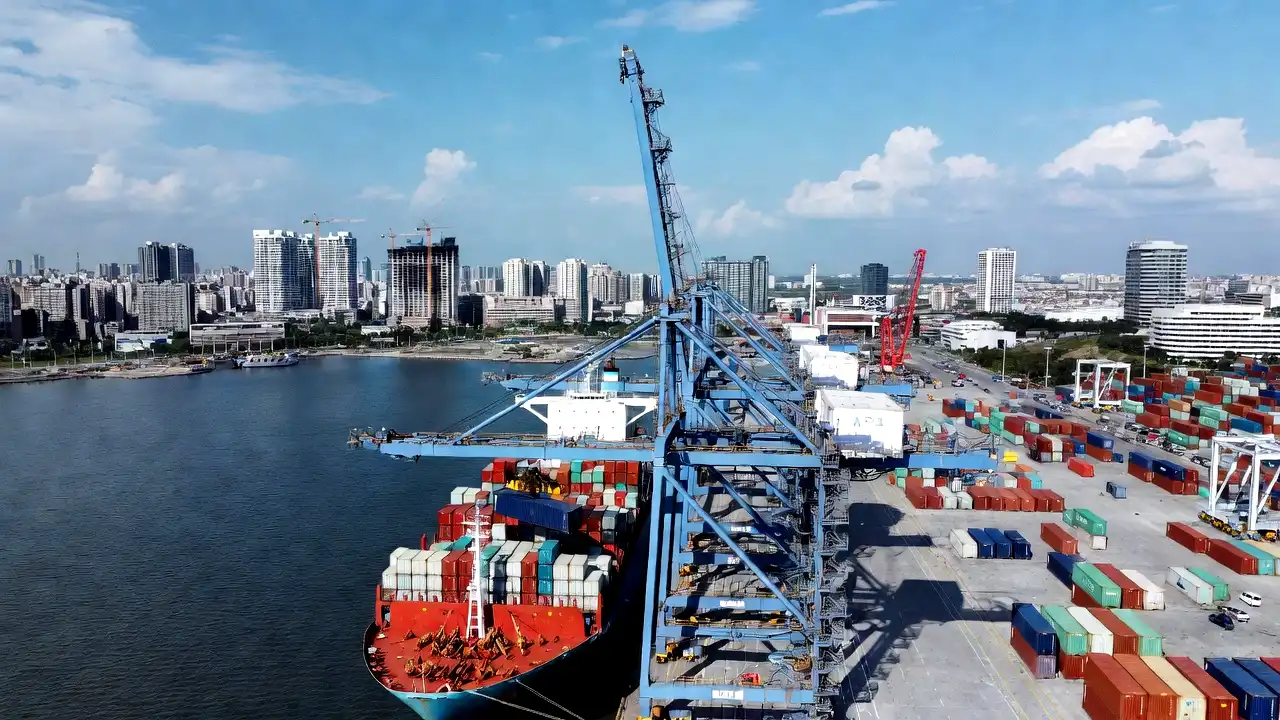
The nation’s premier maritime gateway is operating at near-record capacity as global supply chains navigate shifting trade policies and booming technology infrastructure investments. The Port of Los Angeles recorded its second-highest July cargo volume in history, processing 960,464 twenty-foot equivalent units (TEUs) of containerized freight. This strong performance extends a multi-month streak of elevated cargo traffic, driven by resilient consumer spending on retail goods and massive commercial shipments of parts for artificial intelligence data center construction.
Maritime activity remained exceptionally high across the entire Southern California logistics corridor. The adjacent Port of Long Beach also posted its second-busiest July on record, moving 928,508 TEUs overall, including 467,461 TEUs of loaded imports. Together, the two deepwater ports that make up the San Pedro Bay complex handle roughly one-third of all containerized import cargo entering the United States, serving as an early economic barometer for domestic commercial demand and industrial manufacturing health.
A detailed breakdown of cargo metrics at the Port of Los Angeles shows that loaded inbound containers reached 499,552 TEUs. While this import total came in 8% below the all-time record set during the previous year’s pre-tariff rush, it exceeded the port’s five-year July average by 7.5%. Loaded outbound exports totaled 111,776 TEUs, while empty containers returning to overseas manufacturing hubs reached 349,137 TEUs. Across the first seven months of the year, the port processed a cumulative 6,083,067 TEUs, marking a 1.8% increase compared to the same period in the prior year.
A major driver behind the resilient cargo volume is the physical hardware buildout required for the artificial intelligence boom. Technology conglomerates and cloud infrastructure providers are shipping massive volumes of industrial components from Asian manufacturing centers to West Coast docks. Inbound container manifests show elevated shipments of high-density server racks, industrial power transformers, liquid cooling systems, optical networking transceivers, and electrical grid switchgear destined for data center construction sites across North America.
Simultaneously, traditional retailers triggered an early start to the annual peak shipping season by front-loading autumn apparel, holiday decorations, and consumer electronics. Importers accelerated order schedules to navigate a shifting federal trade environment. The expiration of temporary 10% global Section 122 duties, paired with the rollout of new tariffs of up to 12.5% on imports from 60 countries, encouraged businesses to bring merchandise into domestic distribution warehouses well ahead of standard autumn delivery deadlines.
Despite processing heavy cargo loads right after a historic June that topped 1 million TEUs, terminal operators and logistics partners maintained fluid yard operations. Longshore workers, freight railroads, and drayage trucking fleets moved containers off marine terminals without the severe vessel anchor backlogs or extended container dwell times that challenged supply chains in previous expansion cycles. Investments in digital tracking platforms and modernized gate appointments enabled cargo to flow smoothly into inland distribution hubs across the Inland Empire and greater Los Angeles.
Looking ahead, port leadership projects that container momentum will remain strong through the late summer. Executive Director Gene Seroka indicated that August throughput will likely surpass 900,000 container units as remaining back-to-school goods and factory equipment clear customs. While import volumes may gradually moderate toward the end of the year as earlier inventory front-loading runs its course, baseline consumer spending and steady capital investments in technology hardware will keep terminal cranes moving.
As the global shipping sector adapts to permanent changes in trade corridors and technological demands, the performance of major West Coast seaports underscores the durability of cross-border commerce. By handling consumer retail products alongside the physical building blocks of the artificial intelligence revolution, the Port of Los Angeles continues to anchor international trade logistics for the American economy.