Key Points:
- Bitcoin retreated below the $80,000 milestone as Federal Reserve Chair Kevin Warsh signaled potential interest rate hikes if inflation persists.
- In his debut Jackson Hole address, Warsh warned that recent inflation readings do not confirm that underlying price trends have meaningfully improved.
- Headline PCE inflation running at 3.7% and core PCE at 3.3% keep monetary policy focused strictly on price stability over economic growth.
- Despite the short-term pullback, spot Bitcoin exchange-traded funds recorded over $3 billion in net monthly inflows during August.
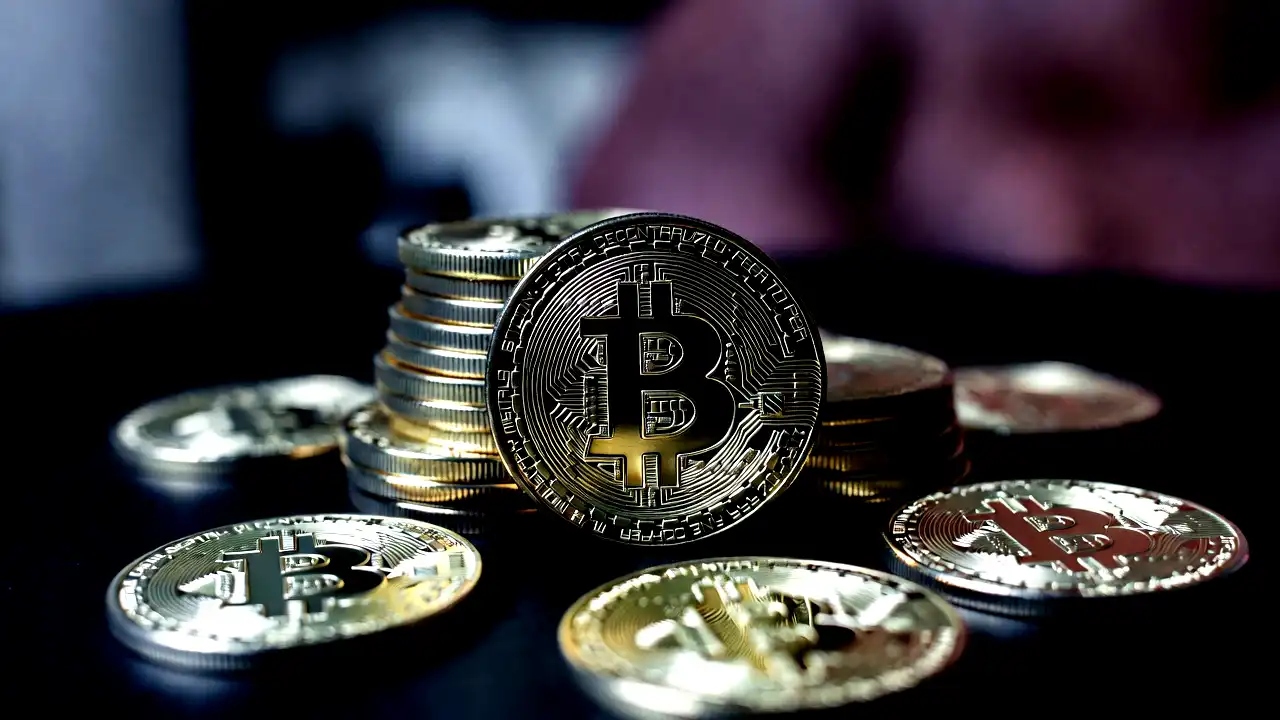
The cryptocurrency market’s multi-week rally encountered fresh resistance as Bitcoin slipped back below the $80,000 threshold. After briefly touching an intraday peak of $81,280, the world’s largest digital asset retreated into the $78,500 to $79,500 range. The downward correction followed a hawkish policy address by Federal Reserve Chair Kevin Warsh at the central bank’s annual economic symposium in Jackson Hole, Wyoming, where monetary authorities reaffirmed their strict commitment to defeating inflation.
Delivering his first keynote address as Federal Reserve chair at the Jackson Hole Economic Policy Symposium, Warsh made it clear that the central bank is prepared to raise interest rates if price growth does not cool down quickly. Warsh stated that while recent inflation data showed modest improvements, those numbers do not demonstrate that underlying price pressures have meaningfully resolved. Emphasizing that stable prices remain the central bank’s primary duty, Warsh declared that policymakers still have work to do to bring inflation back to its 2.0% target.
The hawkish monetary stance is driven by stubborn economic data. The personal consumption expenditures price index—the central bank’s preferred inflation gauge—rose 3.7% year-on-year in July, while core inflation excluding food and energy climbed 3.3%. Both metrics advanced 0.2% on a monthly basis, remaining well above the official 2% statutory objective. Warsh pointed out that over the past six months, nearly half of the individual product prices tracked by the central bank have climbed at an annual rate exceeding 3%, indicating widespread price stickiness.
Warsh also announced a fundamental break from legacy central bank communications, stating that the era of providing detailed forward guidance on interest rate trajectories has overstayed its welcome. By refusing to promise future rate cuts, the Fed chair signaled that borrowing costs will remain strictly data-dependent. Following the address, interest rate futures markets lifted the implied probability of an interest rate hike at the upcoming September 16 policy meeting to over 40%, up from 34% earlier in the week.
The Fed chair acknowledged that rapid developments in artificial intelligence represent a pivotal hinge point in history with the potential to drive substantial long-term economic growth. However, Warsh emphasized that long-term productivity promises cannot distract policymakers from addressing near-term price stability. For digital asset traders who had positioned for aggressive monetary easing and expanding central bank liquidity, the warning that interest rates could stay higher for longer triggered immediate risk reduction.
The spot price pullback coincided with a massive options settlement on digital asset derivatives exchanges. Approximately $6.44 billion in Bitcoin options contracts expired across major trading venues, with the maximum pain strike price concentrated near $70,000. Large-scale dealer hedging around the $75,000 and $80,000 strike levels amplified intraday price fluctuations as market makers adjusted spot positions to stay neutral ahead of the weekend.
Despite the post-speech pullback, institutional demand through regulated investment channels remains exceptionally strong. United States-listed spot Bitcoin exchange-traded funds recorded an eight-day net inflow streak totaling $2.8 billion, with cumulative August inflows surpassing $3 billion. Institutional asset managers continue absorbing available exchange supply on price dips, establishing a solid fundamental foundation beneath the digital asset market.
The broader cryptocurrency market experienced orderly consolidation alongside Bitcoin’s retreat. Ethereum held relatively steady near $2,490, maintaining a 30% monthly gain, while high-throughput network token Solana hovered around $101. The resilient performance across major alternative tokens suggests that while short-term speculative momentum paused, broader capital outflows from the digital asset ecosystem remain limited.
As cryptocurrency traders digest the Federal Reserve’s hawkish inflation vow, the battle for control around the $80,000 level represents a crucial technical test. While the threat of higher interest rates creates near-term macroeconomic friction, institutional ETF accumulation and expanding political support for digital asset legislation provide durable long-term tailwinds. Moving forward, the market’s ability to defend support above $78,000 will determine whether Bitcoin can resume its upward trajectory toward new record highs.