Key Points:
- Artificial intelligence cloud operator GMI Cloud secured commitments exceeding twice its target for a major GPU-backed syndicated loan in Asia.
- The company sought NT$20.45 billion ($635 million) across multiple tranches, including a five-year term loan of NT$13.9 billion ($433 million).
- The debt structure uses future cash flows from customer compute contracts rather than corporate equity or real estate as collateral.
- GMI Cloud operates over 30,000 Nvidia GPUs across data centers and holds the status of one of six global Reference Platform Cloud Partners.
Artificial intelligence cloud operator GMI Cloud secured massive investor demand for an innovative loan facility backed by future computing revenue from high-end Nvidia chips. Commercial lenders in Asia submitted commitments exceeding twice the original financing target, signaling strong institutional confidence in artificial intelligence infrastructure. The financing round represents one of the first major debt deals in the Asia-Pacific region secured by graphics processing unit (GPU) customer contracts rather than corporate equity or physical real estate.
GMI Cloud initially sought a syndicated bank loan of NT$20.45 billion (approximately $635 million) across multiple tranches from Taiwanese financial institutions. The facility includes a core five-year term loan tranche worth NT$13.9 billion ($433 million) marketed directly to regional commercial lenders. Strong participation from local and regional banks quickly pushed subscription commitments to more than double the initial offering, reflecting the immense appetite among debt investors for cash-flowing tech assets.
The novel debt structure introduces GPU-backed asset financing to Asian capital markets, mirroring similar large-scale deals across North America. Instead of issuing dilutive new shares or mortgaging physical buildings, GMI Cloud pledged the future cash flows generated from long-term enterprise compute contracts. High-growth artificial intelligence developers and corporate clients sign multi-year agreements to lease GPU processing time, creating predictable revenue streams that service loan principal and interest payments.
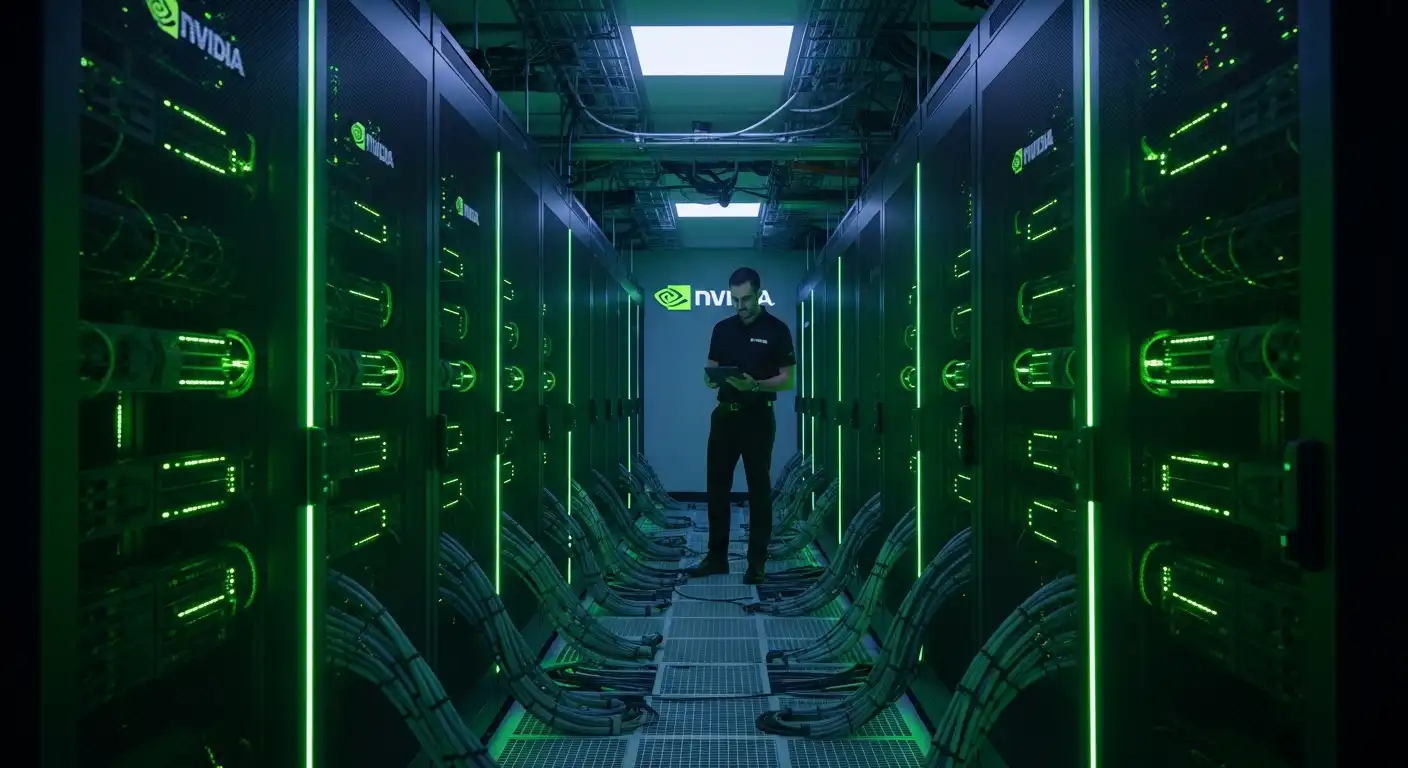
GMI Cloud operates an expansive computing footprint of more than 30,000 Nvidia graphics processing units across interconnected data center facilities. The company’s hardware fleet spans multiple silicon generations, including H100, H200, and next-generation Blackwell architectures optimized for complex artificial intelligence inference and large language model training. The company utilizes this dense hardware cluster to deliver specialized cloud services to enterprise software developers worldwide.
Deep industrial ties have fortified GMI Cloud’s market position. Taiwanese semiconductor designer Realtek Semiconductor and technology distributor GMI Technology serve as key corporate backers, providing essential supply-chain connections and hardware engineering expertise. Furthermore, Nvidia designated GMI Cloud as one of only six global Reference Platform Cloud Partners, an exclusive certification reserved for cloud operators trusted to run advanced accelerated computing architectures at hyperscale.
The successful debt syndication highlights how debt markets are evolving to finance the multitrillion-dollar artificial intelligence boom. Building modern AI data centers requires tens of billions of dollars in specialized computing hardware, power substations, and liquid-cooling distribution units. By leveraging debt secured against customer contracts, cloud providers can rapidly purchase cutting-edge microchips without surrendering corporate ownership or waiting for lengthy equity fundraising rounds.
The transaction follows a broader global trend popularized by North American cloud operators like CoreWeave and Lambda. Those specialized providers raised tens of billions of dollars in asset-backed loans and private debt facilities from Wall Street investment firms to finance massive GPU deployments. As artificial intelligence workloads expand across Asia, regional banks are stepping into the private debt arena to fund high-demand computing infrastructure.
Lenders are showing greater comfort with graphics processing units as bankable collateral due to the durability of the broader software ecosystem. Nvidia’s proprietary CUDA software framework ensures backward compatibility, allowing previous-generation chips to handle inference tasks and enterprise workloads efficiently even after newer architectures hit the market. This functional longevity protects the underlying resale and leasing value of the hardware throughout the life of a multi-year loan.
The fresh capital injection will enable GMI Cloud to accelerate its global expansion and expand server installations across strategic markets. The company plans to acquire additional high-performance Blackwell computing systems to satisfy surging commercial demand from autonomous vehicle engineers, financial institutions, and generative AI startups. Securing lower-cost debt financing gives the operator the balance-sheet flexibility to compete against traditional hyperscale cloud giants.
The overwhelming demand for GMI Cloud’s loan marks a major milestone for Asian tech financing, demonstrating that artificial intelligence computing power is emerging as a mainstream, investable asset class. As regional enterprises accelerate their digital transformations, the marriage of capital markets and specialized cloud infrastructure will continue to finance the next wave of global computing power.