Key Points:
- European natural gas storage facilities reached 92% capacity, beating the European Union’s 90% target well ahead of November 1.
- Benchmark Dutch TTF gas prices climbed past €42 per megawatt-hour, rising 35% as Middle East shipping risks escalate.
- Asian spot LNG prices holding above $21 per million British thermal units threaten to redirect flexible cargoes away from Europe.
- Heavy reliance on seaborne LNG leaves European industries vulnerable to sudden winter cold snaps and supply disruptions.
European nations have filled underground natural gas storage caverns ahead of schedule, but energy market analysts warn that the continent faces severe price volatility as winter approaches. European Union gas storage facilities sit at approximately 92% of capacity, exceeding the 90% regulatory target well before the official November 1 deadline. However, Europe’s structural reliance on international liquefied natural gas (LNG) imports leaves domestic households and heavy industrial manufacturers exposed to global supply shocks and intense bidding wars against Asian buyers.
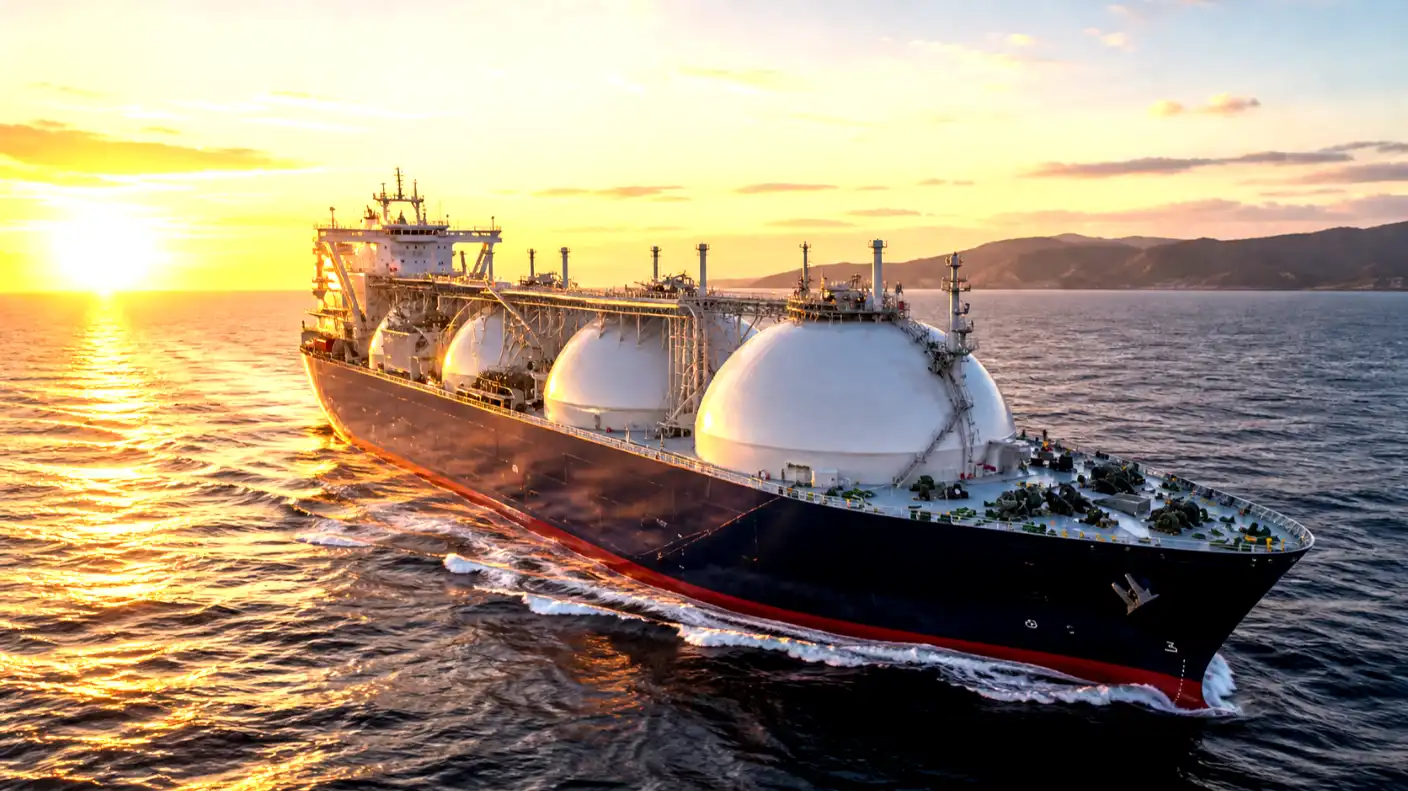
The continent’s energy vulnerability stems from its radical transition away from Russian pipeline supplies. Before 2022, long-term pipeline contracts delivered stable, price-predictable natural gas straight to European industrial hubs. Today, flexible seaborne LNG cargoes supply over 40% of Europe’s total natural gas consumption. Because spot LNG ships travel freely to the highest-bidding global destination, European utilities must continually pay premium rates to redirect waterborne cargoes away from hungry Asian markets.
Benchmark European natural gas prices on the Dutch Title Transfer Facility (TTF) have already climbed above €42 per megawatt-hour, marking a 35% surge from late spring lows. Energy traders are pricing in substantial geopolitical risk premiums as military clashes in the Middle East disrupt critical maritime trade routes. With commercial tanker traffic through the Strait of Hormuz facing sharp restrictions, international energy buyers worry that Persian Gulf LNG exports could experience extended shipping delays.
Competition from Asian economies adds another layer of financial pressure on European procurement teams. Spot LNG prices across Asia have climbed above $21 per million British thermal units (mmBtu), opening a wide price spread between Pacific and Atlantic terminals. Although high spot costs temporarily cooled Chinese industrial demand in late summer, any sudden cold snap across Japan, South Korea, or northern China would immediately trigger aggressive spot purchasing, pulling flexible shipments away from European import terminals.
Domestic infrastructure constraints inside Europe further complicate seasonal supply reliability. Norway now serves as Europe’s largest single piped gas supplier, delivering over 30% of the continent’s daily pipeline volume. However, extensive summer maintenance campaigns and unplanned outages across Norwegian offshore fields, including the massive Troll and Sleipner platforms, have periodically tightened daily flows to Britain and mainland Europe, preventing utility operators from creating additional supply buffers.
Energy economists caution that full storage caverns alone cannot guarantee smooth winter operations. Underground storage reservoirs operate on physical pressure gradients: when storage sites are full, operators can withdraw large volumes rapidly, but extraction rates drop sharply as pressure declines in late winter. A prolonged cold spell in January or February could drain European storage levels to dangerously low thresholds, forcing countries to purchase emergency replacement gas at peak spot market rates.
Industrial consumers across Germany, France, and Italy are already feeling the financial squeeze of elevated energy costs. Chemical producers, steelmakers, glass manufacturers, and fertilizer plants have kept industrial gas consumption nearly 15% below historical averages to avoid operating at a loss. Rising energy bills continue to undermine the global competitiveness of European manufacturing, prompting corporate leaders to delay factory investments and explore production transfers to regions with cheaper energy access.
European policymakers are responding by accelerating infrastructure investments to improve import flexibility. Coastal nations have installed floating storage and regasification units (FSRUs) in Germany, the Netherlands, and Greece, expanding annual import capacity by tens of billions of cubic meters. While these new terminals eliminate physical regasification bottlenecks, they do not shield European consumers from the commodity price swings that occur in tight global supply environments.
The European Union’s joint gas purchasing platform and mandatory minimum storage directives helped prevent panics during the early stages of the energy crisis. However, market experts argue that regulatory mandates cannot alter the fundamental mathematics of global commodity markets. Without long-term, fixed-price supply agreements with major exporters like the United States and Qatar, European utilities remain dependent on volatile daily spot markets.
As winter approaches, Europe finds itself locked in a delicate waiting game with global weather patterns and geopolitical events. A mild winter combined with steady renewable power generation could allow the continent to navigate the heating season without major price shocks. Conversely, severe freezing temperatures or further supply disruptions in the Middle East could quickly reignite the energy crisis, driving utility bills higher and testing Europe’s economic resilience.