Key Points:
- Unionized engineers and technicians at Boeing voted overwhelmingly to reject a four-year contract proposal offering a 29.4% wage pool increase.
- Over 87% of professional engineers and nearly 90% of technical workers voted to authorize a strike if talks fail before the October 6 deadline.
- The vote marks the union’s first full contract negotiation with the aerospace manufacturer in nearly 14 years.
- Disputed issues center on deep mistrust of corporate leadership, inflation protections, and critical engineering safety oversight.
Aerospace manufacturing giant Boeing faces the looming threat of a major white-collar labor disruption after thousands of its engineers and technical specialists voted down a four-year contract offer. Members of the Society of Professional Engineering Employees in Aerospace rejected the proposed labor agreement and authorized union leadership to call a strike if negotiators cannot reach an improved contract before existing agreements expire on October 6.
The voting results demonstrated decisive opposition across both primary bargaining divisions. In the professional unit, which represents approximately 13,000 engineers and aerospace scientists, 64.3% of members voted to reject the contract, while 87.8% voted in favor of strike authorization. In the technical unit, representing more than 4,000 analysts, designers, and specialists, 71.9% rejected the offer and 89.7% approved strike action. Overall voter turnout reached an impressive 92% of eligible union members across facilities in Washington, Oregon, California, and Utah.
The contract proposal represented significant financial commitments from company leadership. The rejected four-year offer featured an aggregate wage pool increase of 29.4%, which union bargaining delegates initially described as the largest wage pool expansion presented to the white-collar workforce since 1983. In addition to wage adjustments, the proposal included three additional days of paid annual leave, lower limits on mandatory overtime, and expanded virtual work arrangements.
Despite the recommendation of the union’s negotiating team, rank-and-file workers pushed back against the deal. Union leaders cited deep, long-standing mistrust between employees and senior management that has accumulated over decades. Workers expressed frustration over past job reductions, the outsourcing of technical engineering tasks out of state and overseas, and salaries failing to keep pace with rapid inflation and competitive aerospace market compensation.
A major driver of the rejection involves deep-seated concerns regarding aircraft quality and engineering autonomy. Union members voiced alarm that engineering and technical recommendations have repeatedly taken a backseat to strict production schedules and financial targets. As the company works through regulatory scrutiny following past safety crises, aerospace engineers insist on stronger contract language that safeguards technical oversight and ensures workers can raise safety concerns without fear of executive pushback.
The labor dispute carries added historical weight because it marks the union’s first full, ground-up contract negotiation with the aircraft manufacturer in nearly 14 years. In previous bargaining cycles, including a temporary extension approved in 2020, both parties agreed to contract extensions without opening full-scale master contract talks. The prolonged gap between comprehensive bargaining rounds allowed frustration over compensation structures and workplace benefits to compound over multiple product cycles.
Management expressed deep disappointment over the vote results, stating that the proposed offer positioned employees among regional market leaders in pay and benefits. Corporate leadership confirmed that the company is preparing to activate strike contingency plans, including cross-training non-union staff and allocating engineering resources to maintain core operations if a work stoppage occurs after the October 6 expiration date.
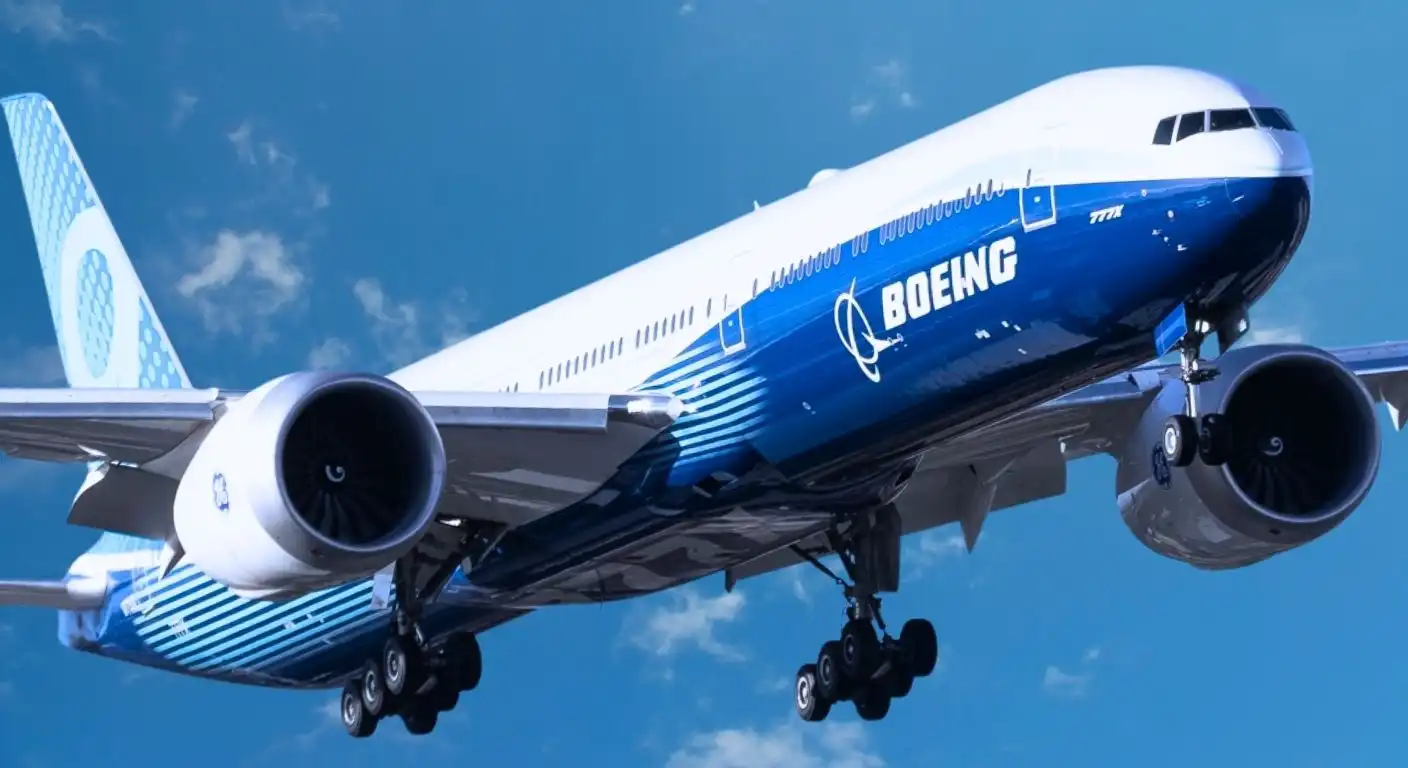
An engineering strike would deliver a severe blow to the aerospace company’s operational recovery. While assembly line machinist strikes halt physical factories immediately, an engineering walkout creates a slower-burning, deep operational freeze. The company is currently in the final, delicate stages of securing federal regulatory certification for its long-delayed 737 MAX 10 and 777X passenger jets. Withdrawing thousands of flight-test engineers, software developers, and certification specialists would inevitably delay commercial deliveries and push back delivery timelines for airline customers worldwide.
Following the vote, union negotiators announced plans to conduct an immediate survey of their membership to pinpoint the specific economic and structural improvements required to secure ratification. With several weeks remaining before the October 6 contract deadline, both sides face intense pressure to return to the bargaining table. Finding common ground on wages, career protections, and engineering integrity will decide whether the aerospace giant avoids a devastating labor stoppage and stabilizes its commercial aircraft programs.