Key Points:
- Chinese electric vehicle manufacturers are targeting the United Kingdom as a prime gateway for global and European expansion.
- Unlike the European Union, Britain has not imposed protective tariffs, making the UK the cheapest major European market to enter.
- BYD has overtaken Tesla to become Britain’s best-selling EV brand, with Chinese imports surging to over 285,000 units.
- Geely recently surpassed 1,000 monthly UK registrations at a single dealership, rapidly expanding its retail presence.
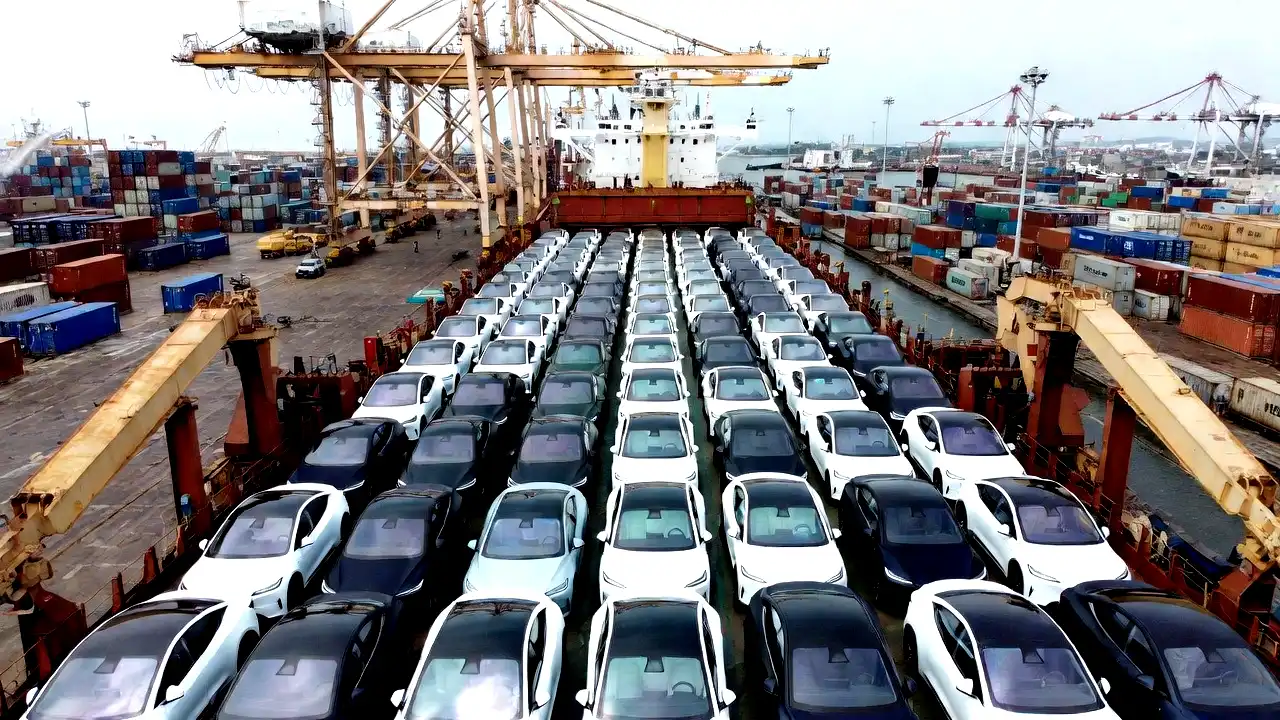
Chinese electric vehicle manufacturers are orchestrating an unprecedented assault on the United Kingdom market, leveraging Britain’s unique regulatory stance to establish a vital foothold for global expansion. While the European Union has imposed heavy, company-specific tariffs on Chinese electric vehicle imports, the United Kingdom has declined to follow suit. This lack of protective tariffs has made Britain the cheapest major European market for Chinese cars to enter, sparking a massive influx of technologically advanced electric vehicles (EVs) priced significantly below European and American rivals.
Chinese vehicle imports to the United Kingdom have skyrocketed from under 1,000 units in 2015 to more than 285,000 in 2025. This momentum has accelerated further this year, with Chinese-owned brands capturing a record 16.5% share of the total UK automotive market during June. This rapid market penetration has placed immense, immediate pressure on legacy European and American automakers who are struggling to match the aggressive pricing of their Chinese rivals.
The most dramatic manifestation of this competitive shift is the battle for electric vehicle supremacy between BYD and Tesla. During the previous year, BYD registered 51,422 vehicles in Britain compared to Tesla’s 45,513, marking the first time the Chinese manufacturer outsold its American rival in a major Western market. This trend has solidified further this year, with BYD officially overtaking Tesla to become Britain’s best-selling electric vehicle brand, despite not qualifying for the government’s legacy electric car purchasing grants.
Other Chinese brands are recording equally impressive regional growth. Geely, a prominent automaker founded in 1997, recently surpassed 1,000 registrations in a single month at a dealership in Maidstone and expects to double that figure within the coming months. The brand only launched its commercial operations in Britain last October but has already appointed close to 80 active retail sites across the country. The appeal extends far beyond a low price tag, with buyers praising the vehicles for offering superior technology and build quality compared to established European brands.
This massive UK expansion is highly strategic, serving as a vital workaround to the tariff barriers established in continental Europe. The European Union charges Chinese EV manufacturers company-specific tariffs—such as an 18.8% levy in Geely’s case—on top of a 10% base import duty. Because Britain never implemented these additional protective tariffs, Chinese manufacturers can import their vehicles into the UK without incurring these punitive charges. This structural price advantage allows them to offer high-quality vehicles at retail prices that domestic European manufacturers cannot match.
The competitive landscape is shifting further under newly proposed government policies. Proposed government plans will cut the country’s 2030 zero-emission vehicle mandate from 80% of new car sales down to 50%. While this policy change will shrink Britain’s guaranteed market for electric vehicles and weaken the lucrative regulatory credit sales that Tesla historically relied on to boost profits, it will barely impact Chinese brands. Because Chinese manufacturers win customers based on low retail prices and superior features rather than government compulsion, they remain highly insulated from regulatory shifts.
The aggressive international push is a direct consequence of a brutal, highly destructive price war occurring within China’s domestic market. Facing stagnating domestic demand and massive factory overcapacity, Chinese automakers have engaged in a relentless discount war, with BYD offering trade-in discounts of up to 34% on nearly two dozen models. This price war has severely compressed profit margins within China, forcing manufacturers to look to global markets like Europe and South America to generate sustainable profits and find a release valve for their excess manufacturing capacity.
To secure this global market share, Chinese automakers are outspending their American and European rivals in global capital investments. Chinese firms have poured more than $100 billion into international EV and battery factories since 2019, dwarfing the overseas capacity commitments of U.S. and European companies. This long-term investment strategy ensures that Chinese firms can build highly resilient, localized supply chains around the world, making it increasingly difficult for Western manufacturers to reclaim their historical dominance.
This relentless competitive pressure is forcing legacy European automakers to implement massive, painful restructuring plans. German carmaker Volkswagen has initiated plans to cut up to 100,000 jobs and potentially close four of its historic manufacturing plants in Germany to remain competitive against low-cost Chinese imports. As Chinese brands like BYD, Chery, SAIC, and Leapmotor expand their physical footprints in Europe, legacy manufacturers must undergo profound structural changes or risk losing their home markets to highly efficient, vertically integrated competitors.
Ultimately, the rapid expansion of Chinese automakers in the United Kingdom represents a critical turning point for the global automotive hierarchy. By leveraging Britain’s lack of protective tariffs to establish a highly successful European beachhead, these brands have proved that they can successfully challenge established market leaders like Tesla and Volkswagen on their own turf. As global trade barriers continue to shift and Chinese firms expand their international manufacturing footprints, their ability to deliver advanced, highly affordable electric vehicles will continue to reshape the future of the global automotive industry.