Key Points:
- Data shows modern electric vehicle batteries are lasting significantly longer than initial industry expectations.
- The average electric vehicle retains up to 95% of its original driving range after five years on the road.
- Only 0.3% of electric vehicles built since 2022 have required battery replacements, compared to roughly 8% for models built between 2011 and 2016.
- Despite technological improvements and a 90% drop in battery prices since 2010, replacement cost fears remain a major consumer barrier.
Modern electric vehicle batteries are lasting significantly longer than early industry models predicted, representing a massive technical victory for clean energy transport. New performance data shows that these power packs maintain high functional capabilities even after clocking hundreds of thousands of miles. This improved durability directly addresses one of the most persistent concerns surrounding the long-term viability of battery-powered vehicles. As the secondary market for these cars continues to mature, real-world data proves that early anxieties over rapid degradation were largely overblown, paving the way for a more confident consumer transition.
Data from specialized battery analytics firm Recurrent highlights the impressive resilience of modern vehicle chemistries. The average electric car retains up to 95% of its original driving range after five years of daily operations on the road. Rather than experiencing a steep, linear decline in storage capacity over time, the deterioration curve of modern lithium-ion packs typically flattens out after an initial minor drop. This stability ensures that pre-owned buyers can purchase older models with the confidence that the vehicle can still handle long-distance road trips and daily commutes without requiring a compromised charging schedule.
This high level of durability is reflected in the dramatic drop in overall battery replacement rates over the last decade. Only 0.3% of electric cars manufactured since 2022 have required a battery pack replacement due to technical failures or excessive degradation. In contrast, roughly one in 12 vehicles—approximately 8.3% of the fleet—produced between 2011 and 2016 required replacements during their initial years of service. This massive statistical decline demonstrates how rapidly manufacturing standards, chemistry profiles, and diagnostic monitoring tools have advanced to protect the structural integrity of these high-voltage systems.
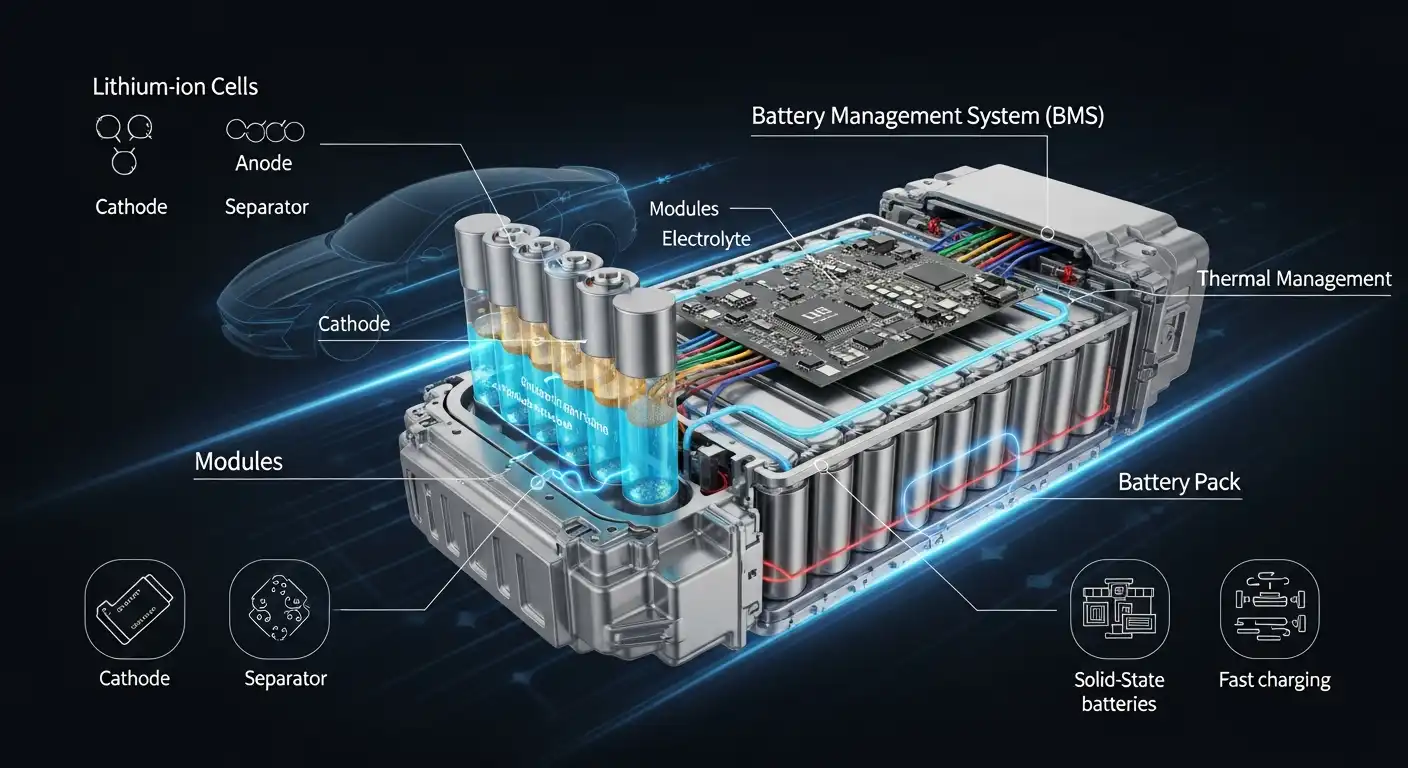
The rapid improvement in longevity stems from several key technological advancements across the automotive sector. Modern battery packs benefit from significantly improved chemical formulations, including advanced nickel-cobalt-manganese and lithium-iron-phosphate combinations. Additionally, carmakers have perfected liquid thermal management systems that protect cells from extreme weather conditions, preventing the intense heat and cold that historically accelerated degradation. Furthermore, highly sophisticated vehicle software continuously manages charging speeds and cell balancing, preventing the localized stresses that can lead to premature battery aging.
Despite this immense technological progress, consumer perception has not yet caught up with real-world statistics. Ongoing consumer surveys indicate that the fear of a sudden, catastrophic battery failure remains the leading reason why many prospective buyers hesitate to purchase an electric vehicle. Many drivers still associate car batteries with the cheap, unmanaged lithium-ion cells found in consumer smartphones and laptops, which frequently degrade after just two or three years of heavy use. Overcoming this educational hurdle remains a critical challenge for automotive dealerships and clean energy advocacy groups alike.
To ease consumer anxiety and lower ownership friction, manufacturers are fundamentally transforming how they design and repair these systems. Historically, a minor fault within a single cell required technicians to replace the entire multi-thousand-dollar battery assembly. Today, newer modular pack designs allow mechanics to isolate and replace individual, localized battery modules instead of junking the entire unit. This modular repair approach has cut average repair bills significantly, turning what used to be a catastrophic financial write-off into a manageable service appointment similar to traditional engine maintenance.
For cases where a full replacement is unavoidable, the financial burden is far less severe than it was a decade ago. Industry pricing data shows that battery pack prices have collapsed by more than 90% since 2010. This dramatic decline in raw material costs, coupled with massive global manufacturing scaling, has brought the cost of a replacement pack within reach of traditional transmission or engine replacements. As global gigafactories continue to expand their production footprints, economies of scale are expected to drive prices down even further, permanently shifting the long-term economics of electric vehicle ownership in favor of consumers.
The proven durability of these systems is already breathing new life into the used vehicle market. Previously, pre-owned electric cars suffered from steep depreciation rates due to buyer anxiety over battery health. Today, however, the availability of transparent, third-party diagnostic reports allows buyers to verify the exact health of a vehicle’s battery before signing a purchase agreement. This transparency is stabilizing residual values, turning used electric cars into highly attractive bargains for budget-conscious families looking to cut their monthly fuel and maintenance bills.
Ultimately, the transition to sustainable transport relies as much on mechanical longevity as it does on charging speeds or maximum range. By proving that modern batteries can outlast the structural life of the vehicles themselves, manufacturers have solved a critical engineering puzzle. As real-world performance statistics continue to accumulate and replace speculative anxieties with hard data, consumer confidence will naturally follow. The coming years will likely show that the worry over replacing a battery pack will soon join the starting crank and the radiator leak as a relic of early automotive history.