Key Points:
- A federal judge dismissed X Corp.’s lawsuit challenging a New York state law requiring social media companies to disclose content moderation policies.
- The court ruled that requiring platforms to truthfully describe terms of service on hate speech and extremism does not violate the First Amendment.
- The New York statute requires platforms generating over $100 million in annual revenue to submit semiannual transparency reports under $15,000 daily fines.
- The decision deals a major legal blow to Elon Musk’s constitutional challenge against state-level social media transparency mandates.
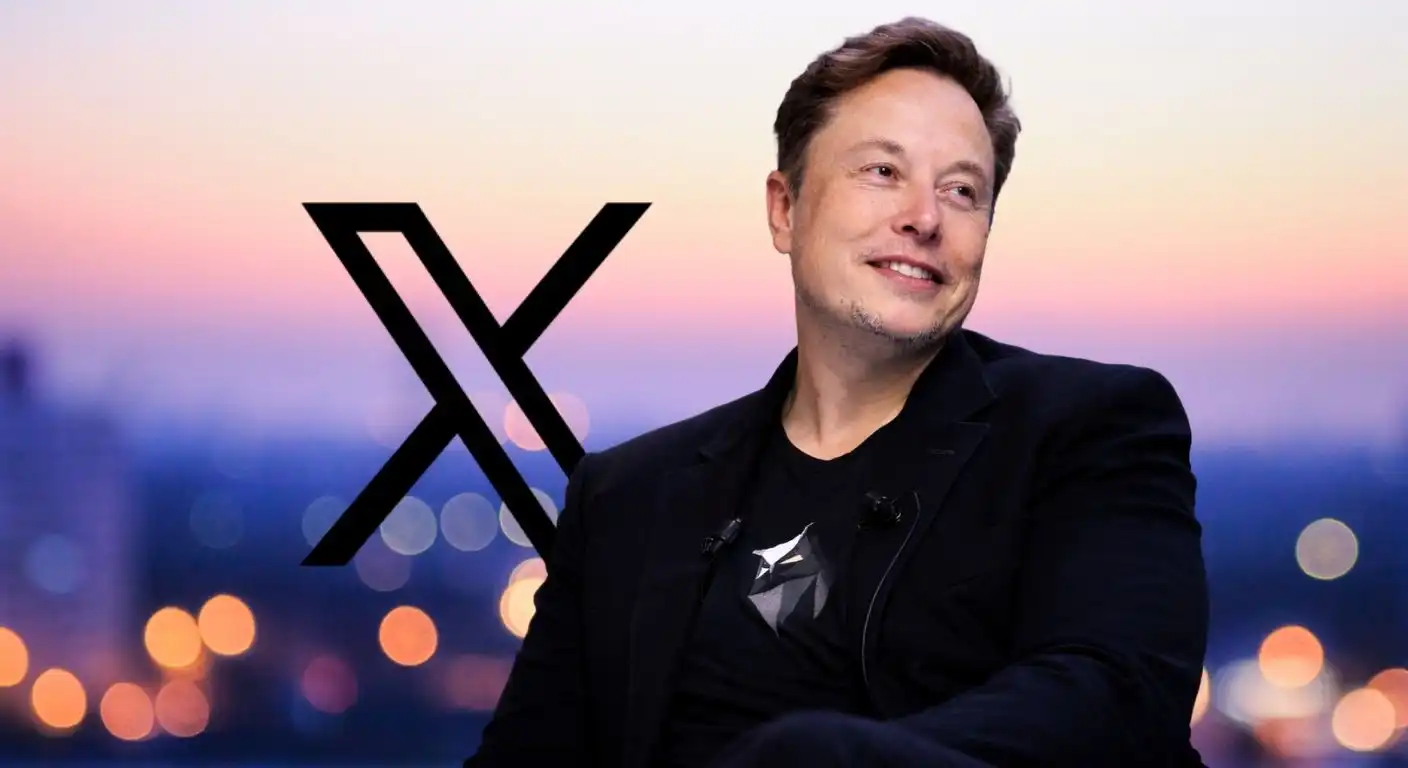
A United States federal court has officially rejected a constitutional challenge brought by Elon Musk’s social media company X Corp. against New York State. In a detailed judicial ruling, U.S. District Judge John Cronan dismissed the lawsuit seeking to strike down a state transparency statute that requires large digital platforms to publicly disclose how they monitor and moderate hate speech, extremism, harassment, and foreign disinformation. The decision delivers a major victory to state regulators seeking greater oversight over digital platforms.
In the dismissal order filed in Manhattan federal court, the judge ruled that the New York statute does not infringe upon constitutional protections guaranteed by the First Amendment. The court determined that the law simply compels commercial platforms to provide factual, non-controversial disclosures about their standard business practices. The judge emphasized that requiring tech corporations to truthfully describe the services they provide to the public aligns with the foundational free-speech goal of seeking truth in the commercial marketplace.
The contested legislation, signed by Governor Kathy Hochul after passing the state legislature, targets large digital platforms generating at least $100 million in annual gross revenue. Under the statutory rules, covered tech platforms must publish clear definitions of hateful conduct and submit semiannual compliance reports to the state attorney general’s office. The reports must detail how content moderation algorithms function, how many user complaints the company received, and what enforcement actions moderators took. Companies that fail to comply face civil penalties of up to $15,000 per violation per day.
In its legal complaints filed against New York Attorney General Letitia James, X Corp. argued that the law was an unconstitutional attempt by state officials to meddle in private editorial discretion. Company attorneys contended that defining and moderating hate speech involves deeply sensitive and controversial viewpoints, asserting that the state was using reporting mandates to pressure platforms into censoring constitutionally protected speech. Musk, who describes himself as a free speech absolutist and eliminated many historical moderation policies after purchasing Twitter for $44 billion in 2022, argued that the government holds no authority to police online debate.
The federal judge rejected the company’s claims of government viewpoint discrimination. The ruling noted that the state law does not mandate the removal of specific posts, dictate what content platforms must allow, or penalize companies for hosting controversial speech. Instead, the statute requires social media platforms to explain their existing rules clearly to consumers so that users and advertisers can make informed choices about where to participate and spend money online.
The New York dismissal creates a notable legal contrast with previous courtroom battles in California. X Corp. previously sued to block a similar social media transparency statute in California, where a federal appeals court granted a partial preliminary injunction blocking specific reporting categories on hate speech. While X Corp. argued that New York’s law was an identical copy of the California statute, the Manhattan federal court concluded that factual disclosure requirements withstand legal scrutiny under established commercial speech precedents.
State lawmakers and civil rights organizations welcomed the court’s decision, emphasizing that public transparency is vital in an era of rising online harassment. Sponsors of the legislation argued that everyday internet users and parents have a fundamental right to know what safety measures tech companies deploy to combat hate speech, targeted harassment, and violent extremism. Advocates noted that transparency obligations hold corporate platforms accountable without restricting open political discourse.
The ruling in Manhattan arrives amid a nationwide wave of state-level tech legislation. State legislatures across the United States are advancing diverse regulatory frameworks, ranging from child online safety mandates and digital age verification rules to algorithmic transparency requirements. As social media companies battle state regulators in courtrooms across California, Texas, Florida, and New York, judges are progressively defining the boundary between protected platform speech and lawful commercial consumer protection.
While X Corp. retains the legal right to challenge the dismissal before the United States Court of Appeals for the Second Circuit, the ruling establishes a strong legal foundation for state transparency mandates. As large digital platforms navigate shifting regulatory standards and declining advertiser confidence, the decision affirms that requiring tech giants to be honest about their content moderation practices remains constitutionally sound. The outcome reinforces state authority to enforce digital consumer protections across the modern social media landscape.