Key Points:
- LG Electronics is committing $1 billion to establish a new semiconductor-focused manufacturing and R&D hub in Vietnam.
- The investment represents a major shift in Vietnam’s economic role, moving the country higher up the semiconductor value chain.
- The facility will focus on advanced packaging, quality testing, and component integration for high-performance AI hardware and automotive electronics.
- Industry analysts expect this move to generate over 10,000 high-skilled engineering jobs, fostering a robust local ecosystem for tech talent and technical education.
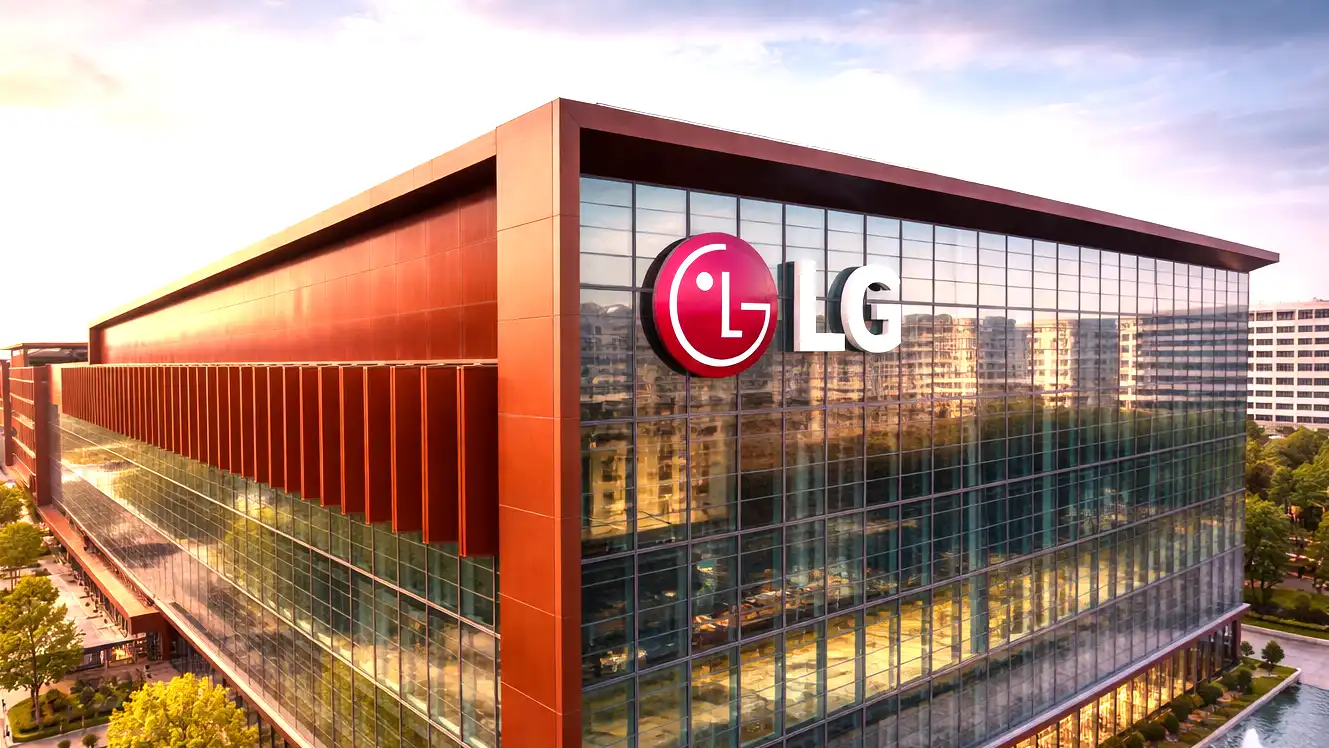
Vietnam is rapidly evolving from a low-cost assembly hub into a sophisticated player in the global semiconductor ecosystem. LG Electronics recently announced a massive $1 billion investment to establish advanced manufacturing and R&D facilities in the country, marking a strategic pivot in its supply chain. This infusion of capital is designed to elevate the region’s technical capabilities, moving production away from simple packaging and toward high-end semiconductor testing, quality assurance, and module integration. As global tech giants seek to diversify their operations, this move by LG confirms that Vietnam is now a top-tier destination for the next generation of industrial high-tech growth.
For years, Vietnam served primarily as a destination for the assembly of consumer electronics, such as mobile phones and household appliances. However, the global “de-risking” trend, where companies aim to reduce reliance on centralized manufacturing hubs, has created a unique opportunity for the country. By leveraging a young, motivated workforce and proactive government investment incentives, Vietnam has successfully enticed firms like LG to move more complex operations into the region. This $1 billion project is not just a factory; it is a knowledge-sharing center where local teams will learn to master the intricacies of semiconductor quality control and high-speed hardware integration.
This strategic pivot is highly timely, as the demand for advanced electronic components—especially those used in artificial intelligence and electric vehicles—continues to outpace current global capacity. LG’s new center will act as a bridge between the raw silicon fabrication stage and the final product assembly. By adding this critical “middle” layer of testing and module development, the company is shortening its overall time-to-market. This vertical integration allows for faster troubleshooting, meaning that any defects or performance issues can be caught at the assembly stage rather than after the product has reached the end customer.
The economic impact of this investment is expected to ripple across the entire region. Beyond the primary facility, the project is likely to draw in hundreds of smaller, specialized suppliers who provide high-precision tools, robotic maintenance services, and clean-room materials. This “cluster effect” is exactly what the Vietnamese government has been working toward. By providing tax holidays and streamlined land-use permits, the government is creating a magnet for foreign direct investment that supports the entire local tech economy. Estimates suggest that for every dollar LG spends, the local economy will see an additional 1.5% to 2% boost in related high-tech sector activity.
Technical education is another core pillar of this expansion. LG is partnering with local universities to develop specialized curricula focused on chip architecture and electronic engineering. These programs are designed to ensure that the workforce is ready to operate the factory’s automated lines, which utilize AI-driven diagnostic tools to maintain high yields. For thousands of Vietnamese students, this partnership offers a clear path toward high-paying, professional careers that were previously only available in more developed tech markets. It is an investment in human capital that guarantees the facility will remain sustainable for decades to come.
As the industry moves toward 2030, the ability to maintain a reliable supply chain will be the single most important factor for success. By placing a significant portion of its semiconductor testing and module integration in Vietnam, LG is effectively building a “second home” for its most critical operations. This reduces the risk of global logistical bottlenecks, such as those seen during the pandemic or those caused by sudden shifts in regional trade policy. The facility is being built with “redundancy” in mind, meaning that it can maintain operational continuity even if other parts of the company’s global network face temporary disruptions.
The technology being deployed at this site is state-of-the-art, featuring fully automated robotic lines that are monitored by a centralized, cloud-based AI system. These machines can detect microscopic flaws in a chip module that are invisible to the human eye, ensuring that every product meets the rigorous standards required by the world’s most demanding automotive and AI clients. This focus on precision is what allows the factory to command premium pricing. It proves that a “Made in Vietnam” stamp can now represent the highest levels of technical excellence, on par with facilities in traditional tech hubs.
Looking ahead, this facility is expected to become the blueprint for future industrial development in the region. Other tech firms are watching the project’s progress with interest, already scouting locations nearby for their own potential expansions. The synergy created by having multiple major tech firms in one region—sharing a pool of talent, logistics, and power infrastructure—creates a powerful momentum that is difficult to stop. We are witnessing the birth of a new, major player in the global semiconductor landscape, one that is built on the foundation of international cooperation and local ambition.
The success of this $1 billion investment confirms that the era of simple outsourcing is over. The current environment favors partnerships that integrate research, development, and high-end manufacturing. By choosing Vietnam, LG is betting on the country’s ability to evolve and mature. It is a long-term wager on the potential of a region that is quickly becoming the world’s most dynamic industrial corridor. As the new facility comes online, it will stand as a testament to how global corporations and emerging economies can thrive by working together, pushing the boundaries of what is possible in the hardware sector.