Key Points:
- Meta is investing more than CAD $13 billion (approximately USD $9.15 billion) to build its first-ever data center in Canada.
- Located in Sturgeon County, Alberta, the massive one-gigawatt facility represents one of the largest private-sector investments in Canadian history and is specifically optimized for artificial intelligence workloads.
- Operating under Alberta’s strict regulations, the site will be powered by a new CAD $4.6 billion, 970-megawatt natural gas power plant, bypassing the public grid and reducing local transmission costs by up to 6%.
- The data center will deploy a closed-loop, liquid-cooled system with “dry cooling” to eliminate operational water usage.
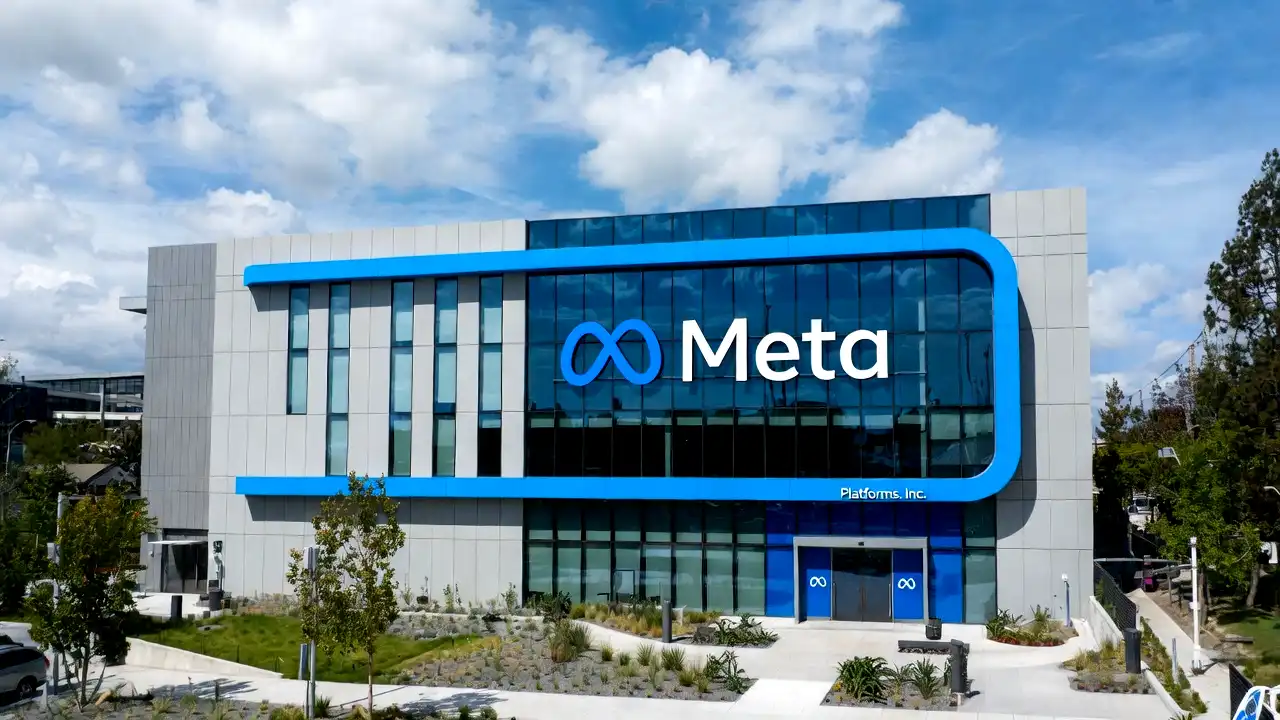
Meta has officially begun construction on its first-ever data center in Canada, unveiling a massive investment of more than CAD $13 billion (equivalent to roughly USD $9.15 billion). Located in Sturgeon County, Alberta—just northeast of the capital city of Edmonton—the Sturgeon Data Center will span a gigawatt-scale footprint. This facility marks Meta’s 33rd data center globally but its very first on Canadian soil. Designed from the ground up to meet the intense computational demands of next-generation technology, the entire campus will focus specifically on power-intensive artificial intelligence workloads.
The project stands as one of the largest private-sector investments in Canadian history. During the peak of its construction phase, the massive development is expected to generate and support more than 3,000 construction jobs. Once the facility becomes fully operational, it will provide at least 300 permanent, high-tech, and administrative positions to local workers. Local officials estimate that the data center will deliver roughly $250 million annually in direct financial benefits to Albertans through a combination of royalties, local taxes, levies, and fees.
Beyond the construction of the server halls themselves, Meta has committed to funding significant improvements in the surrounding community. The company is investing CAD $60 million directly into upgrading Sturgeon County’s local infrastructure, including municipal roads and local water systems. Sturgeon County Mayor Alanna Hnatiw welcomed the technology giant, stating that the community is excited to work with its new neighbors to create long-term tax revenue, environmental stewardship, and infrastructure benefits that will serve the entire region for decades.
To support the massive one-gigawatt power requirements of the AI-focused facility, the project will comply with Alberta’s unique regulatory framework. Unlike many jurisdictions that let hyperscalers plug directly into the public grid and strain residential electricity supplies, Alberta enforces strict “bring your own power” rules for large-scale data centers. This mandate requires tech firms to supply their own electricity, pay for all related utility infrastructure, and meet rigorous environmental standards. To satisfy these requirements, Meta will utilize a combination of grid power and dedicated, on-site natural gas generation to avoid adding pressure to the provincial electricity system.
To guarantee a reliable electricity supply, Meta is partnering with a consortium led by Pembina Pipeline Corporation. This partnership is moving forward with Project Greenlight, a CAD $4.6 billion, 970-megawatt natural gas-fired electricity generation facility built specifically to support the data center. Morgan Stanley Infrastructure Partners and asset manager Kineticor are also key partners in building the power plant. Provincial authorities expect that this independent energy setup, combined with the new power plant, will actually lower transmission costs on local residential electricity bills by up to 6%.
With data centers globally coming under heavy scrutiny for their high water consumption, Meta is deploying advanced environmental technology to mitigate local impact. The Sturgeon Data Center will operate using a highly advanced, water-efficient, closed-loop liquid cooling system. By utilizing “dry cooling” mechanisms, the system will effectively eliminate operational water usage during its daily cooling processes. This environmental strategy ensures that the massive computing infrastructure will not drain local rivers or aquifers, addressing critical water security concerns in drought-prone areas of western Canada.
The project aligns with a broader national effort in Canada to attract global technology infrastructure. Canadian Prime Minister Mark Carney, who took office last year after pledging to make the country the absolute best place in the world to build data centers, has actively worked to ease regulatory hurdles for clean energy and digital infrastructure. Canada’s abundance of relatively cheap natural gas, combined with its expanding hydropower resources, makes it an attractive alternative to the United States, where tech giants are starting to face severe grid capacity limits.
As the race to deploy artificial intelligence heats up globally, hyperscale technology companies are projected to spend a combined USD $700 billion on data center infrastructure. Meta’s massive CAD $13 billion commitment in Sturgeon County is a major vote of confidence in Alberta’s regulatory approach and natural resources. By implementing strict self-powering rules and deploying zero-water cooling systems, the project could serve as a sustainable blueprint for future gigawatt-scale data center developments around the world.