Key Points:
- Netflix is exploring the addition of live continuous TV channels and third-party app bundles to combat a quiet decline in subscriber engagement.
- The company is reportedly discussing bundles that would integrate other premium platforms, such as NBCUniversal’s Peacock, directly into its ecosystem.
- While customer cancellations remain at industry lows, Netflix’s share of U.S. television viewership slipped to a multi-year low of 7.8% in April.
- The shift away from pure on-demand content comes after slowing subscriber growth and a failed bid to acquire Warner Bros. Discovery’s studio assets.
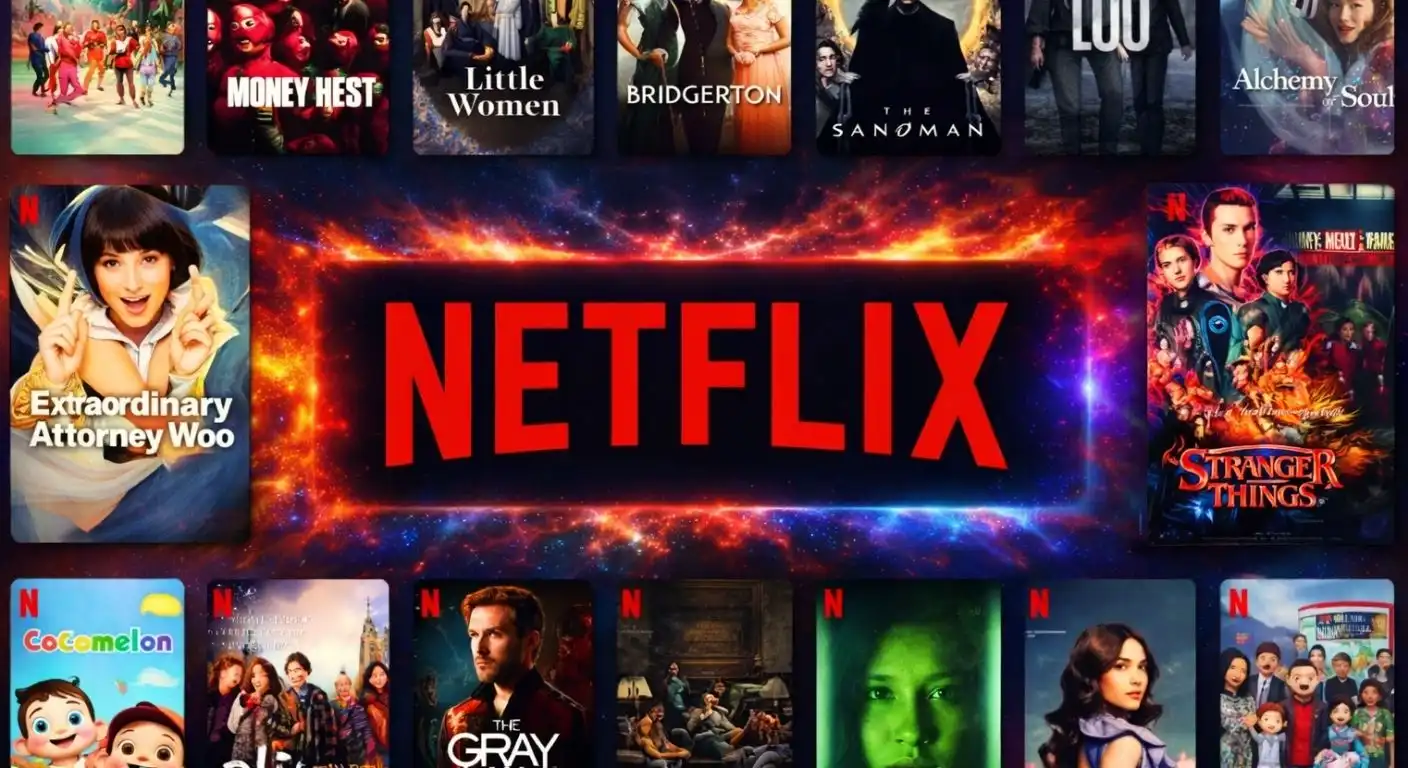
The world’s largest streaming service is preparing to execute a fundamental rewrite of its business model, moving away from the pure, on-demand format that ignited the cord-cutting revolution over a decade ago. Media industry reports show that Netflix is actively exploring the integration of linear, live television channels and third-party application bundles directly into its platform. This strategic shift represents a direct response to a slow but persistent decline in user engagement and overall viewing hours on the service. By transforming its isolated, standalone catalog into a unified, live entertainment dashboard, the company aims to defend its status as the default homepage of modern television.
The decision to experiment with continuous, linear feeds targets a growing consumer challenge that executives call decision fatigue. While having instant access to a vast digital library of over 10,000 unique titles was once the platform’s primary marketing advantage, the modern user experience is increasingly defined by endless, frustrating scrolling. By introducing pre-programmed channels focused on specific genres—such as 24-hour comedy feeds, continuous true-crime documentaries, or kids’ programming—the platform can recreate the effortless, low-friction experience of traditional cable. Viewers can simply turn on the application and immediately start watching, removing the mental energy required to select a specific title.
While the streaming pioneer continues to lead the industry in total global subscribers, its domestic dominance is showing clear signs of leveling off. According to independent audience tracking metrics, the company’s share of total U.S. television viewing time slipped to a multi-year low of 7.8% in April. While this share still keeps the company ahead of most individual rivals, it represents a notable decline from the peak levels recorded during the pandemic. The gradual erosion of viewing time proves that the pure video-on-demand market has officially reached its maturity limit, forcing the business to seek new formats to keep users hooked.
To reinforce its competitive defenses and secure its subscriber base, the company is holding preliminary discussions to bundle external, third-party streaming services directly into its platform. Corporate insiders indicate that the firm has held exploratory talks with Comcast’s NBCUniversal regarding a unified subscription package that would integrate Peacock into the Netflix environment. This represents a stunning philosophical reversal for a company that has historically resisted any form of co-marketing, choosing instead to operate as an exclusive standalone service. This re-bundling trend is sweeping through the media sector, as platforms recognize that combined packages are the most effective tool to combat subscriber churn.
Although the platform continues to boast the lowest monthly subscriber churn rate in the entire industry—holding steady at a highly resilient 2% compared to the 5% to 7% average recorded by its competitors—the rising costs of content production are squeezing margins. Releasing expensive, high-budget original movies and dramas that users watch once and forget is no longer a highly efficient path to sustained profitability. Integrating alternative, lower-cost digital platforms into its subscription layers allows the streaming giant to raise its average revenue per user while sharing the high computational and licensing costs across multiple corporate partners.
The search for alternative structural models is particularly critical following a massive, undisclosed setback in the company’s mergers and acquisitions roadmap. Just last month, the streaming giant made a highly secretive, all-cash $14 billion bid to acquire the physical studio assets and legacy television catalog of Warner Bros. Discovery. The proposed buyout would have handed Netflix the keys to one of Hollywood’s most historic production lots and thousands of valuable titles. However, the Warner Bros. Discovery board ultimately rejected the bid as hostile and opportunistic, forcing the firm to abandon its studio roll-up plans and pivot back to organic software integration.
In addition to linear channels and bundles, the company is deploying massive capital to expand its live sports broadcasting capabilities. To secure a permanent, recurring live audience, the platform finalized a record-breaking $2 billion, 10-year agreement with soccer’s global governing body to secure the exclusive U.S. and select international broadcasting rights for the upcoming FIFA World Cup. This represents the largest sports media acquisition in the company’s history, providing a massive, guaranteed global audience that will tune in simultaneously, giving its rapidly expanding advertising-supported subscription tier a powerful sales pitch for global brands.
The push for live sports and linear TV channels aligns perfectly with the company’s long-term advertising strategy. While on-demand viewing patterns make it difficult for brands to coordinate massive, time-sensitive national advertising campaigns, live events and continuous television channels provide highly predictable, synchronized commercial slots. Building out this linear infrastructure allows the platform to capture a larger share of the traditional television advertising market, which still commands billions of dollars annually from corporate brands that prefer to buy ad space during live, shared cultural moments.
Ultimately, the transition of this entertainment giant from an exclusive, on-demand catalog into a consolidated entertainment hub marks the beginning of a mature new phase for the streaming industry. Rebuilding the very bundles and linear channels that the company spent fifteen years trying to dismantle is a stark validation of the enduring economics of traditional television. The coming months will reveal whether the platform can successfully finalize its bundle negotiations with Peacock and launch its first linear channels, but the shift proves that in the modern attention economy, even the world’s most successful platforms must adapt to keep their viewers hooked.