Key Points:
- Apple filed a major trade secrets lawsuit against OpenAI, alleging a systematic campaign to steal confidential hardware designs.
- The lawsuit names former Apple design chief Tang Tan and engineer Chang Liu for misappropriating unreleased product files.
- Elon Musk mocked OpenAI CEO Sam Altman over the lawsuit, calling him “Scam Altman” and criticizing his business ethics.
- Altman counterattacked by criticizing SpaceX’s plans to sell public market investors on short-term orbital data centers.
A high-stakes legal battle has erupted into a chaotic public feud between some of the most prominent figures in Silicon Valley. Apple has filed a major trade secrets lawsuit against OpenAI, accusing the artificial intelligence giant of conducting a coordinated campaign to steal confidential hardware designs. Almost immediately, SpaceX chief Elon Musk seized on the legal drama, launching a barrage of public insults at OpenAI Chief Executive Sam Altman on social media. The public sparring highlights the intense competition and personal rivalries shaping the race to build the next generation of AI-enabled hardware.
The trade secrets lawsuit, filed in the U.S. District Court for the Northern District of California, alleges a systematic, multi-level effort by OpenAI to poach Apple talent and misappropriate core hardware technologies. The complaint outlines how departing Apple engineers carried confidential product information out the door to help fuel OpenAI’s consumer hardware ambitions. The lawsuit specifically alleges that during job interviews, OpenAI recruiters explicitly instructed prospective candidates to bring unreleased Apple parts, mockups, and prototypes to “show and tell” sessions.
Two key former Apple employees sit at the center of the legal complaint. Tang Tan, OpenAI’s current Chief Hardware Officer and a 24-year Apple veteran who led the product design teams for the iPhone and Apple Watch, reportedly directed the coordinated efforts to recruit Apple engineers. The lawsuit also names Chang Liu, a former senior system electrical engineer at Apple who joined OpenAI in January. Before leaving, Liu allegedly exploited an authentication bug to access shared network folders, downloaded dozens of confidential files on unreleased Apple products, and left a mocking message on a colleague’s computer.
This aggressive push into hardware directly aligns with OpenAI’s massive $6.4 billion acquisition of io Products, a hardware startup co-founded by legendary former Apple design chief Jony Ive. OpenAI acquired the startup last year to serve as the foundation for its upcoming consumer device business. In addition to Jony Ive, the acquisition integrated more than 50 elite hardware designers, software engineers, and developers from Apple’s ranks. The transfer of this design talent pool represents a major threat to Apple’s dominant position in the premium consumer electronics market.
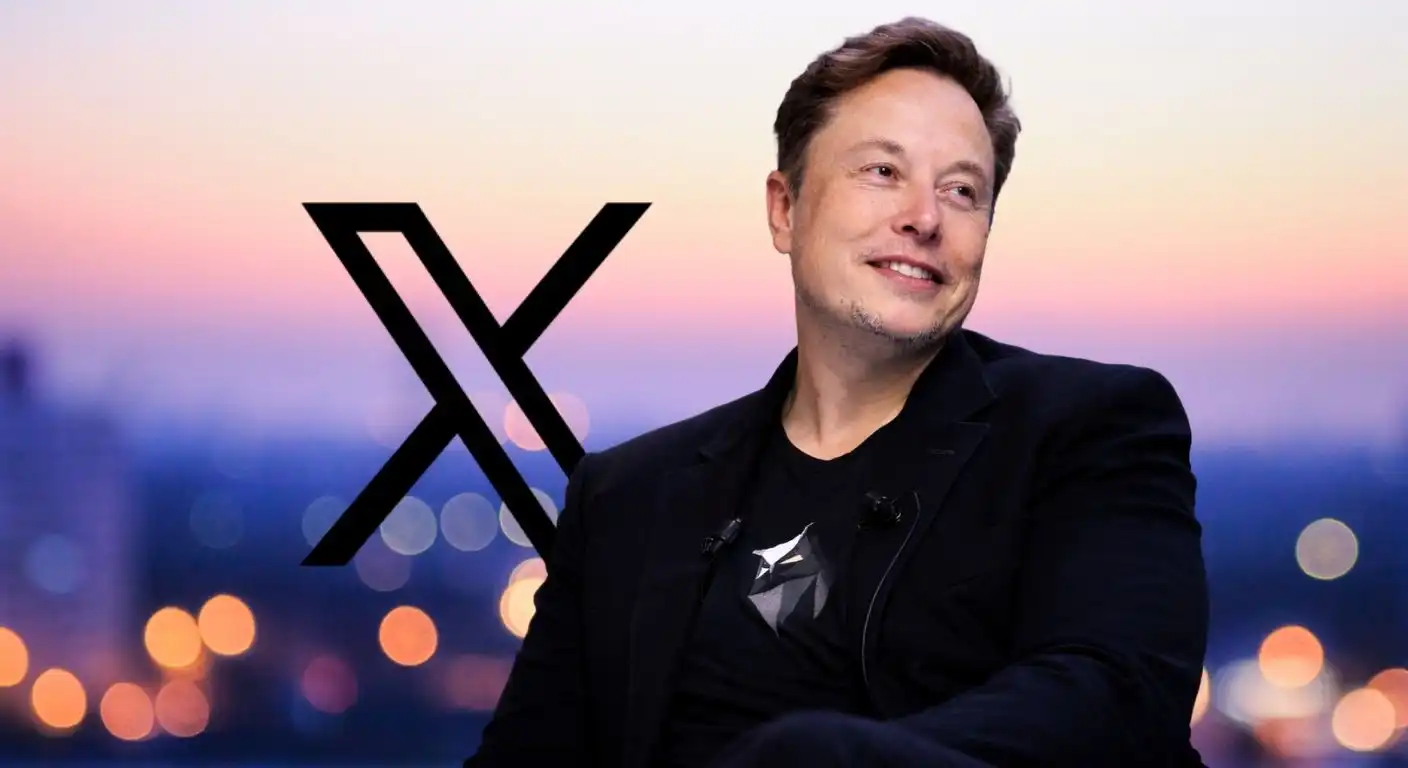
Elon Musk, who co-founded OpenAI with Altman in 2015 before departing the board in 2018, took less than 24 hours to turn the legal filing into a public spectacle. Posting on X, Musk repeatedly branded Altman as “Scam Altman” and declared that the OpenAI CEO takes scamming to a whole new level. He further criticized Altman’s transition from running a nonprofit artificial intelligence charity to orchestrating what he described as a systematic attempt to steal Apple’s proprietary phone technology.
Altman did not remain silent under the public barrage, choosing to counterattack by targeting Musk’s own business operations. He mocked Musk’s commercial strategies, calling him “homeboy” and accusing him of selling public market investors on short-term space-based data centers. This jibe directly targeted SpaceX, which recently achieved a $1.1 trillion valuation following its historic initial public offering and its subsequent integration of the xAI startup. SpaceX has aggressively pitched orbital data centers to international investors as the ultimate, energy-efficient solution to meet the skyrocketing power demands of modern AI models.
The exchange quickly descended into highly personal insults. Musk defended his aerospace plans by stating that SpaceX will begin flying its orbital AI data centers next year, mockingly inviting Altman to come and see the launches if his parole officer approves. This jibe was a direct reference to the intense regulatory and security scrutiny surrounding OpenAI’s rapid corporate expansion and its shift from a nonprofit research hub to a multi-billion-dollar commercial conglomerate.
Altman sought to frame Musk’s public fixation as a sign of OpenAI’s technical dominance. He highlighted the recent release of OpenAI’s latest model, GPT-5.6, also known as 5.6 sol. Altman noted that while multiple industry benchmarks currently suggest 5.6 sol is the best model in the world, the most reliable proof of its success is Musk’s intense, renewed obsession with his daily activities. This launch represents a major milestone for OpenAI, raising the pressure on competitors like Musk’s xAI to deliver comparable model performance.
This public clash represents the latest chapter in a bitter, years-long rivalry that has repeatedly spilled over into the legal system. Musk filed a fraud lawsuit against OpenAI and Altman in 2024, claiming that he was misled into co-founding and funding the early organization under the false pretense that it would remain an open-source, nonprofit endeavor. Although a judge and jury decisively sided with OpenAI in May, the courtroom testimony exposed deep personal animosity and raised lingering questions regarding Altman’s executive trustworthiness.
Ultimately, the legal battle between Apple and OpenAI, coupled with the public war of words on X, exposes the raw tension at the top of the tech industry. As artificial intelligence models transition from software clouds into physical consumer devices, the competition for intellectual property and engineering talent will only intensify. The outcome of the federal trade secrets lawsuit will likely dictate which tech giant controls the hardware of the AI era. For now, the public spectacle serves as a stark reminder that the future of computing is being written amid intense corporate warfare and deeply personal rivalries.