Key Points:
- Samsung appliance workers are protesting a new wage deal, claiming it unfairly favors employees in the high-profit semiconductor division.
- The semiconductor unit’s recent 18-fold profit surge has created a massive disparity in performance-based bonuses across the company.
- Labor unions are demanding a more equitable distribution of the firm’s record-breaking AI-driven earnings to reflect the contributions of all business units.
- Internal morale is under pressure as the firm tries to balance aggressive AI investment with the need to maintain a stable workforce across its diverse product lines.
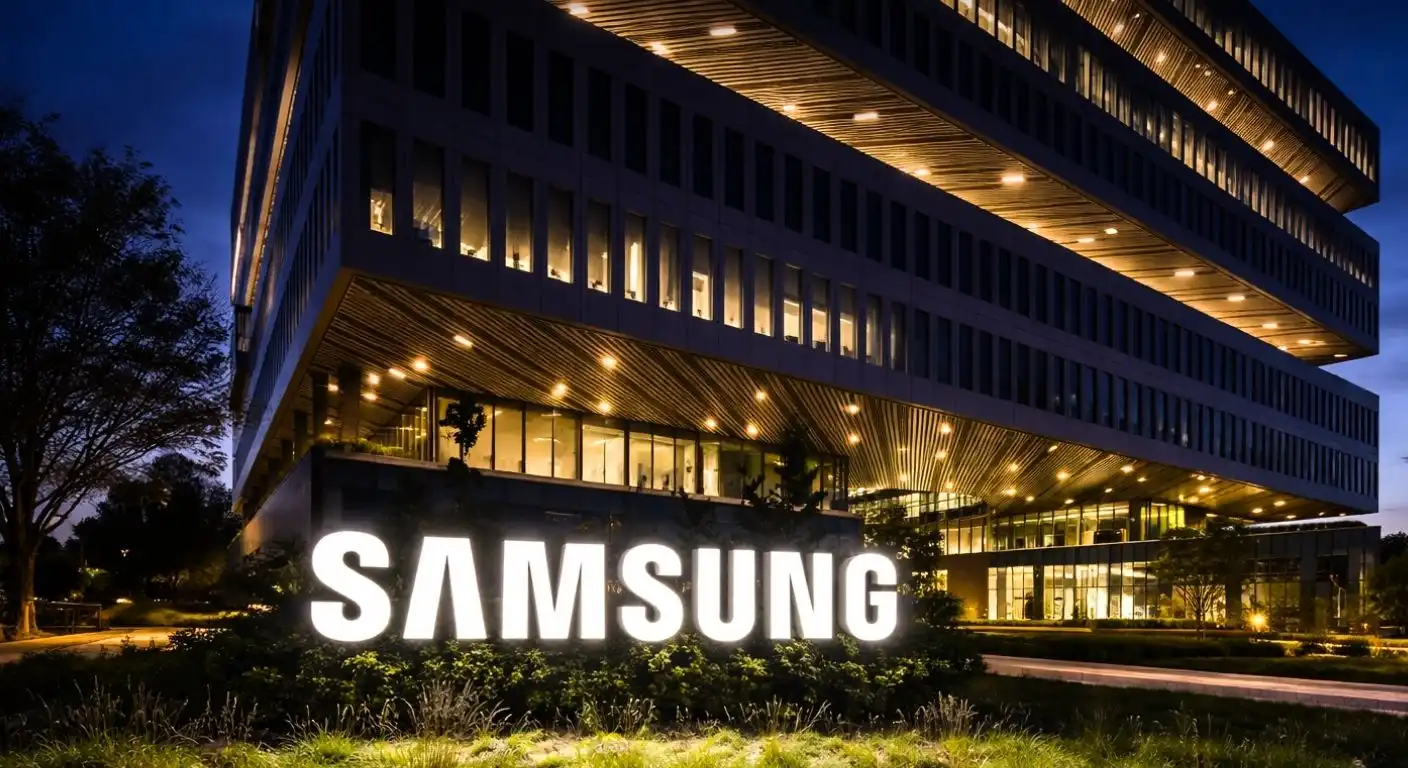
Tensions are rising at Samsung Electronics as workers in the appliance division have staged a public rally to protest a recent wage agreement reached by their colleagues in the semiconductor unit. While the company’s chip division has enjoyed record-breaking profits fueled by the global artificial intelligence boom, staff in the consumer electronics and home appliance sectors feel increasingly left behind. This internal friction highlights a growing divide within the tech giant, where different business units are experiencing vastly different financial realities as the firm pivots toward high-margin AI hardware.
The root of the unrest lies in the company’s performance-based incentive structure. For years, Samsung used a system where employee bonuses were heavily tied to the specific performance of their own business unit. During the current “AI super-cycle,” the semiconductor division has effectively become a money-printing machine, while the appliance and consumer electronics divisions have faced a more stagnant market. When the chip division announced a massive profit spike—exceeding what many analysts expected—the bonuses for those workers followed suit. This created a visible and frustrating gap for those working on washing machines, refrigerators, and other home goods.
For the workers staging the rally, the issue is not just about the numbers; it is about perceived fairness. They argue that the company is a single entity and that the success of the semiconductor division relies on the overall stability of the corporate brand. They believe that if the firm can generate over $1 billion in extra performance-based payouts for chip engineers, it should also be able to provide a more substantial increase for the staff who maintain the company’s long-standing reputation in the home appliance market. The protest represents a growing frustration that is now being mirrored in other large tech conglomerates worldwide.
Management is now caught in a very difficult balancing act. On one side, they must keep the chip engineers motivated, as these are the individuals responsible for the most critical hardware of the modern era—the HBM and logic chips that drive global data centers. Losing this top-tier talent to competitors would be a strategic catastrophe. On the other side, they cannot afford to let the appliance and consumer divisions feel like second-class citizens. A demoralized workforce in these sectors could lead to lower quality control, decreased production efficiency, and a slide in the brand’s long-standing reputation for quality.
The broader implications of this protest reach into the national economy. South Korea’s export-led growth model is heavily dependent on the stability of its massive technology conglomerates. When internal labor strife affects these firms, it can have a direct impact on national productivity. The government is watching closely, hoping that management and labor unions can reach a settlement that avoids further strikes or work stoppages. A prolonged conflict would be particularly damaging as the company is currently in the middle of a massive $1.3 trillion investment push for its new semiconductor mega-clusters.
Internal communication efforts from the executive suite have attempted to bridge the gap. Management has held several town hall meetings to explain the differences in market cycles. They argue that the semiconductor sector is currently in an unprecedented “boom phase,” while the consumer electronics market is experiencing a more mature, slower-growth environment. They are hoping to provide a more comprehensive “company-wide” benefits package that could bridge some of the bonus gap without fully dismantling the performance-based model that has historically driven their competitive edge.
However, the workers remain skeptical. They are calling for more transparency in how the firm calculates performance and are demanding that a higher percentage of the total corporate profit be set aside for base salary increases that apply to all employees, regardless of their division. If these negotiations fail to yield a compromise, the labor union has hinted at more disruptive actions. This would be a significant headache for a leadership team that needs the entire company to be firing on all cylinders to maintain its global lead against fierce international competition.
As the tech industry continues to evolve, the challenge of managing a diverse workforce will only become more complex. Companies are increasingly operating like a collection of different industries under one roof, making it difficult to maintain a unified corporate culture. The current struggle at Samsung is a perfect example of this challenge. As long as one part of the company is benefiting from a “once-in-a-generation” market boom while others are not, the potential for internal tension will remain. The firm’s ability to resolve this dispute will serve as a bellwether for how the world’s largest tech giants handle the growing internal pressure caused by the unequal distribution of AI-driven wealth.
For now, the situation is being handled through a mix of negotiation and public outreach, but the underlying tension remains. Investors are hoping for a quick resolution that prevents any hit to production schedules. If the firm can find a way to honor the contributions of its appliance workers without diluting the incentives for its essential chip engineers, it will have successfully navigated one of the most difficult human-resource challenges in its modern history. The world is watching, as the company’s reaction will set the tone for how global tech giants approach internal equity in an increasingly AI-focused world.