Key Points:
- The gradual reopening of the Strait of Hormuz is unleashing millions of barrels of crude back onto global physical oil markets.
- This supply surge is colliding with a severe drop in demand from China, the world’s largest oil importer, threatening a prolonged glut.
- Benchmark Brent crude has halved in value from its April peak of $140 per barrel, recently slipping past the $74 support level.
- Physical markets are showing extreme bearishness, with Angolan crude selling at its largest discount in over a decade.
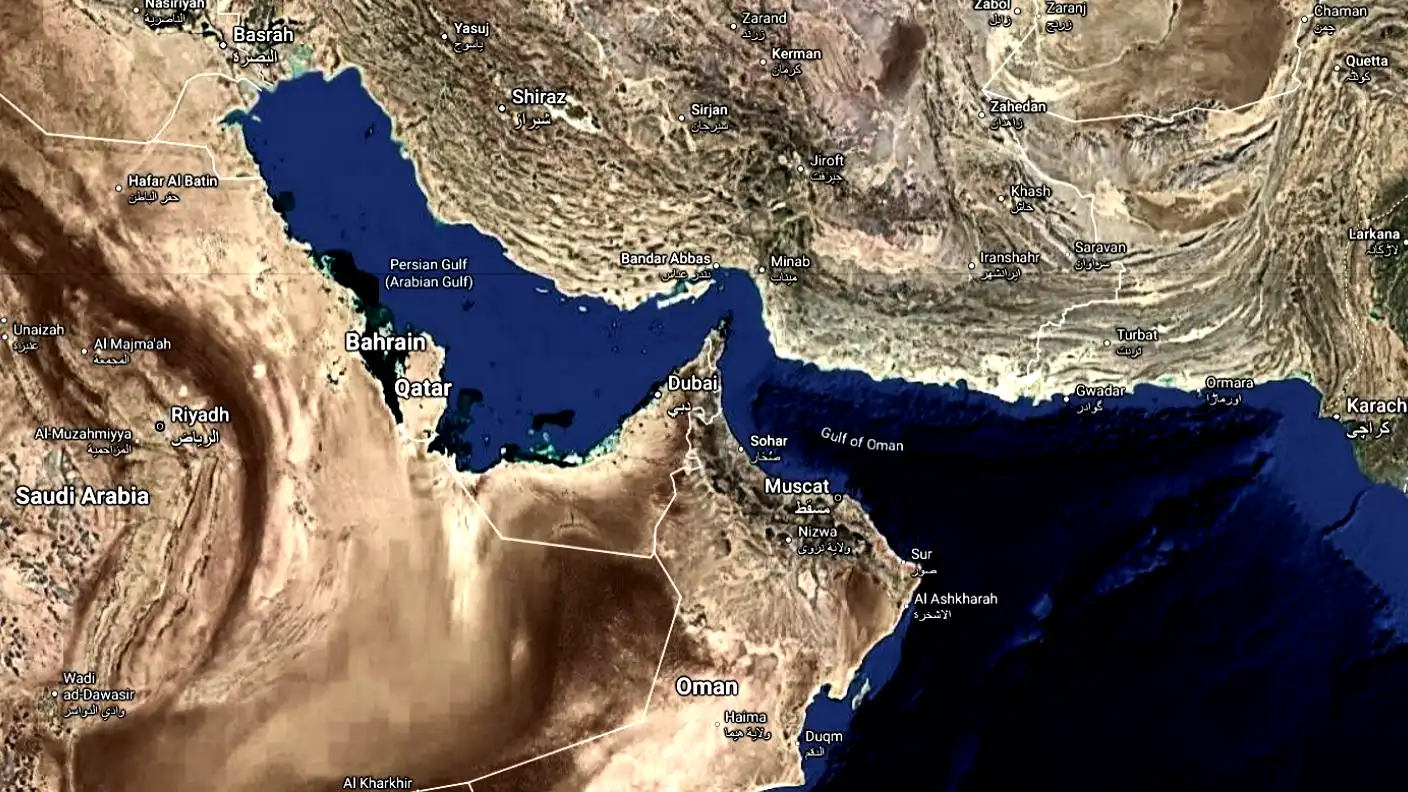
The gradual reopening of the Strait of Hormuz has eased one of the largest geopolitical threats to global energy security, but it has simultaneously introduced a major new headache for the oil market. For months, the physical blockade of the world’s most critical maritime chokepoint shut in millions of barrels of daily output, driving crude prices to historic highs. Now, as tankers begin to move freely again through the Persian Gulf shipping lanes, a massive wave of oil is flooding onto the water. However, this sudden surge in supply is colliding with a global market that, at least for now, simply does not need it, raising fears of a prolonged supply glut and a sustained price crash.
The sudden change in supply dynamics has already triggered a rapid, aggressive price correction. In early April, the price of the world’s most important physical oil benchmark, Dated Brent, topped $140 per barrel to hit its highest level on record, driven by panic buying from global processors. Today, that same benchmark has halved in value, with Brent crude trading near $72 per barrel and West Texas Intermediate slipping below $70. This rapid decline is largely driven by the complete evaporation of the geopolitical risk premium that previously added between $15 and $30 to every barrel of oil during the height of the military conflict.
The core problem facing the market is a severe contraction in demand from China, the world’s largest crude importer. While energy strategists initially expected Chinese industrial demand to roar back in the second half of the year, domestic consumption has instead remained incredibly weak. Slower manufacturing activity, a struggling real estate sector, and a rapid transition to electric transport have severely curtailed Chinese refining activity. In a stark reversal of normal trade patterns, some Chinese refiners are actually offering their own contracted oil cargoes for sale on the open market, indicating that domestic inventories are already completely full.
This lack of buying interest from Asia has left physical producers with a massive cargo backlog, forcing them to offer deep discounts to clear their inventories. In one of the most dramatic examples of physical market weakness, Angolan crude—a heavy, sweet grade that Chinese refiners typically snap up—has been selling at its biggest discounts in more than a decade. Traders report that these cargoes are changing hands at nearly $10 a barrel below the global Dated Brent benchmark. This extreme discounting proves how rapidly the physical market has lurked from significant tightness to a state of outright oversupply in just a couple of months.
This broad-based physical weakness has forced the global oil futures curve into a bearish structure known as contango. Under a contango market structure, spot prices trade at a discount compared to longer-term forward contracts. This means that buyers actually receive a discount to purchase a barrel of oil today versus a barrel tomorrow, a complete reversal of the tight backwardation structure that dominated the market during the height of the blockade. This pricing mechanism incentivizes traders to buy cheap physical crude and store it in empty offshore caverns, further confirming that supply is outstripping immediate consumption.
Compounding this supply pressure, the core members of the OPEC+ alliance agreed in principle on Sunday, July 5, to raise their production quotas by another 188,000 barrels per day starting in August. This decision continues a gradual, step-by-step phase-out of the group’s voluntary 1.65 million barrels per day cuts. Between April and July, the seven core members have raised their paper quotas by nearly 800,000 barrels per day. While these previous increases remained largely on paper because the closed strait physically prevented Saudi Arabia, Kuwait, and Iraq from exporting, the reopening of the waterway means those barrels are now physically hitting the water.
Despite ongoing geopolitical uncertainty, the physical restart of shipments through the chokepoint is progressing much faster than energy analysts originally projected. State-backed shipping companies from the United Arab Emirates, Saudi Arabia, and Kuwait have taken the lead, utilizing their own vessels to transport crude while international insurance firms remain hesitant to cover private commercial tankers. On average, around 34 commodity vessels have crossed the strait daily since Monday. This rapid rebound has allowed regional exporters to quickly clear the massive backlog of roughly 500 ships that had been trapped inside the Persian Gulf during the four-month blockade.
The returning Middle Eastern supply is also entering a market that has become increasingly comfortable with non-OPEC crude. During the months that the Strait of Hormuz remained closed, non-Middle East producers in the United States, Guyana, and Brazil expanded their market share to fill the supply void. At the same time, the International Energy Agency coordinated a record-breaking release of strategic oil reserves, injecting millions of additional barrels into global refining networks. Because these alternative supply channels remain highly active, the sudden return of Gulf exports is creating an immediate double-supply effect.
Ultimately, the successful reopening of the Strait of Hormuz has averted a prolonged global energy crisis, but it has set the stage for an equally difficult pricing battle. Unless OPEC+ halts its planned quota increases, or Chinese industrial demand experiences a sudden, unexpected rebound, global oil prices will likely breach the key $70 support level over the coming months. For oil producers and OPEC planners, the physical reopening of the world’s most critical maritime chokepoint has solved the problem of transport, only to create a much larger battle over value in an oversupplied world.