Key Points:
- At least eight commercial ships turned back from their southern transit route along the Omani coast over the weekend.
- Several of the diverting vessels, including oil tankers, switched to the northern route running closer to Iran.
- The routing shift followed a direct warning from Iran’s joint military command threatening a forceful response to vessels ignoring its routing protocols.
- While ship passages have rebounded to about 34 vessels daily, the volume remains far below pre-disruption baselines.
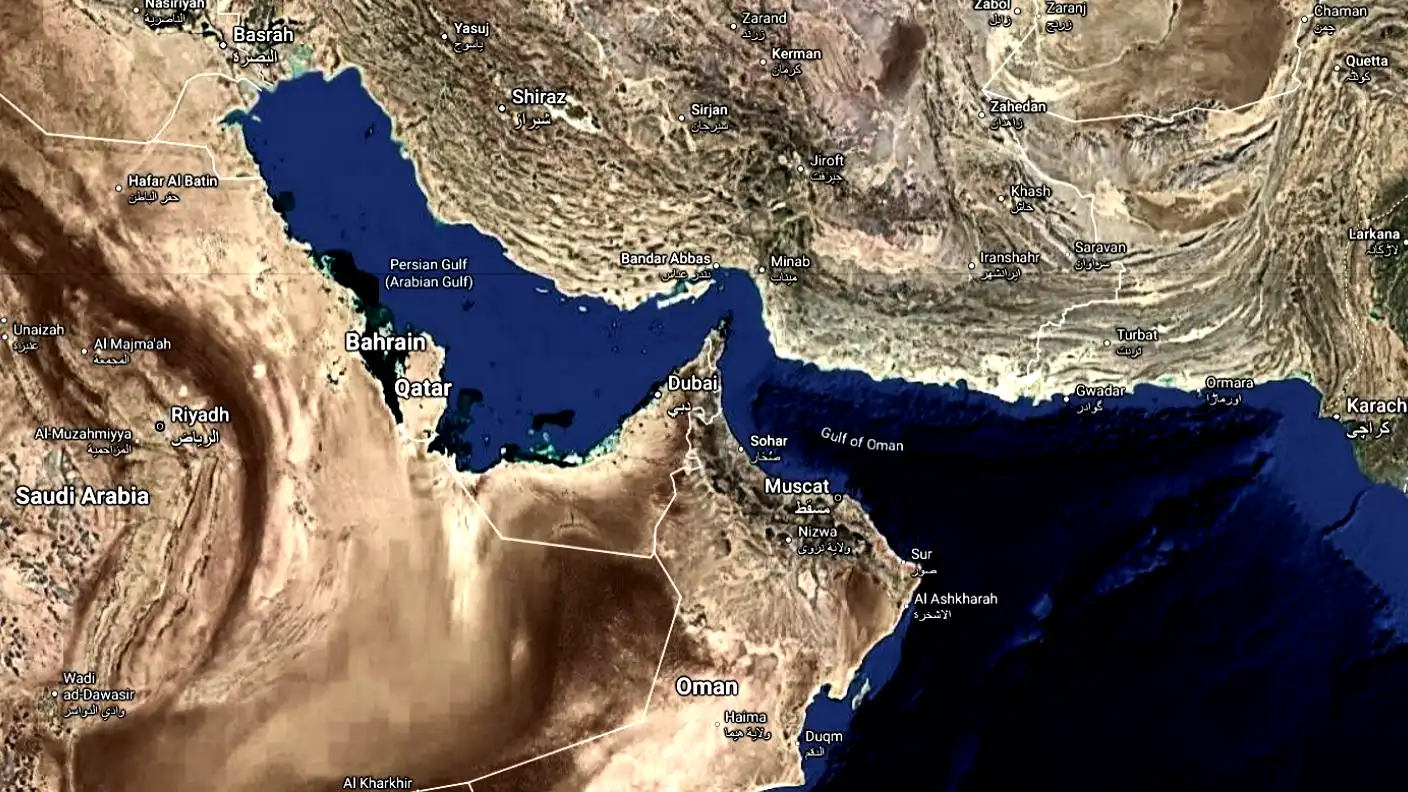
Commercial shipping traffic through the crucial Strait of Hormuz faces fresh disruptions as multiple tankers and cargo vessels recently performed abrupt U-turns near the Omani coast. This sudden shift in maritime behavior occurs as Iran aggressively asserts its control over the vital energy corridor. At least eight vessels, including crude oil tankers, products tankers, bulk carriers, and vehicle carriers, reversed course after sailing toward the mouth of the Persian Gulf. The disruptions indicate that despite recent high-profile diplomatic agreements designed to normalize trade, the process of reopening the world’s most critical energy chokepoint remains highly complex and volatile.
Several vessels traveled as far as the tip of the Musandam Peninsula—the geographical chokepoint of the strait—before making sharp, unexpected reversals. Instead of continuing along their original, southern transit routes along the Omani coast, a crude tanker, two products tankers, and one bulk carrier turned northward. These ships entered the northern, Iranian-controlled outbound shipping lane. While vessel operators did not disclose the official reasons for their sudden course corrections, the maneuvers coincide with increased radio interference and explicit warnings from local military forces.
For several months, commercial crews attempting to exit the Persian Gulf received frequent radio contact from Iranian naval units. These military patrols consistently warn merchant captains that they must obtain direct permission from Tehran before entering the crossing. Ships that ignore these protocol warnings face severe consequences. Over the past few months, multiple vessels attempting to transit without authorization experienced boarding actions or drone strikes, causing maritime insurance premiums to skyrocket. This coercive radio campaign has successfully lowered the risk tolerance of international shipping boards, forcing captain after captain to comply with Tehran’s routing demands rather than risk confrontation.
Tensions escalated further following a direct television broadcast from Iran’s joint military command, the Khatam al-Anbiya command. The military leadership issued an explicit warning stating that all commercial vessels transiting the Strait of Hormuz must strictly adhere to the navigation protocols and approved routes designated by the Islamic Republic. The declaration warned of an immediate and forceful response against any vessel that deviates from the approved northern path or ignores local authorities. The warning also emphasized that any interference by foreign naval forces, particularly those of the United States, would face a rapid and decisive reaction.
The current crisis has created a dual-routing dilemma that complicates transit planning for international shipping firms. The United States and its regional allies continue to support the traditional southern route along the Omani coast, providing active naval escorts and surveillance to protect merchant commerce. For example, between June 30 and July 1, 65 vessels successfully transited the Omani shipping lanes, with 59 of those receiving direct security support from international naval task forces. However, Iran rejects the legitimacy of these Omani-side transits, claiming that the southern route remains closed due to security hazards and asserting that only its northern, designated route is safe for transit.
While the total volume of ship passages through the chokepoint has shown a modest recovery, the numbers remain far below pre-disruption levels. On average, around 34 commodity vessels have crossed the strait daily since Monday, a notable improvement compared to the near-total shutdown observed during the height of the military conflict earlier this year. However, before the outbreak of hostilities in late February, the Strait of Hormuz regularly handled approximately 25% of the world’s seaborne oil trade and 20% of global liquefied natural gas supplies. Returning to that baseline level of energy flow requires a level of security and predictability that the current routing standoff fails to provide.
This latest wave of U-turns highlights the fragility of the diplomatic agreements brokered last month. In mid-June, diplomats from Washington and Tehran reached a preliminary interim agreement to end their mutual blockades, establish a 60-day fee-free transit window, and reopen the strait to commercial traffic. While the deal successfully paused active military strikes on shipping, it left the critical question of maritime sovereignty unresolved. Tehran continues to demand administrative authority over the entire corridor, while Western nations insist on preserving traditional open-water freedom of navigation protocols under international law.
The ongoing confusion in the Strait of Hormuz directly affects global energy pricing and marine insurance structures. Because shipowners must balance cheaper, unescorted northern transits with highly secure but politically sensitive southern transits, operating costs are rising. Some maritime underwriters are refusing to cover hulls that utilize the Omani route without dedicated military escorts, while others charge exorbitant premiums for vessels that comply with Iranian instructions. This fragmented market environment forces logistics coordinators to make difficult decisions, keeping oil prices volatile even as global production inventories show signs of recovery.
The coming weeks will determine whether international shipping companies can successfully navigate this complex dual-authority environment. If Iran continues to enforce its routing demands through active threats, the international coalition will have to decide whether to escalate its naval escort program or accept Tehran’s de facto control over the waterway. Until the regional powers establish a unified, internationally recognized transit authority, the Strait of Hormuz will remain a highly volatile zone where commercial captains must prioritize immediate crew safety over schedule efficiency.