Key Points:
- An intense, record-breaking heatwave across Europe has caused Swiss glaciers to melt at an unprecedented rate, exhausting their entire winter snow reserves.
- Switzerland expects to reach “glacier loss day” by Monday, June 29, 2026—the second-earliest date ever recorded since monitoring began.
- Scientists at GLAMOS report that Swiss glaciers are currently losing meltwater at a staggering rate of 400 cubic meters per second.
- The early melt is driven by a combination of poor winter snowfall, intense heatwaves, and Saharan dust that lowered the solar reflectivity of the snow.
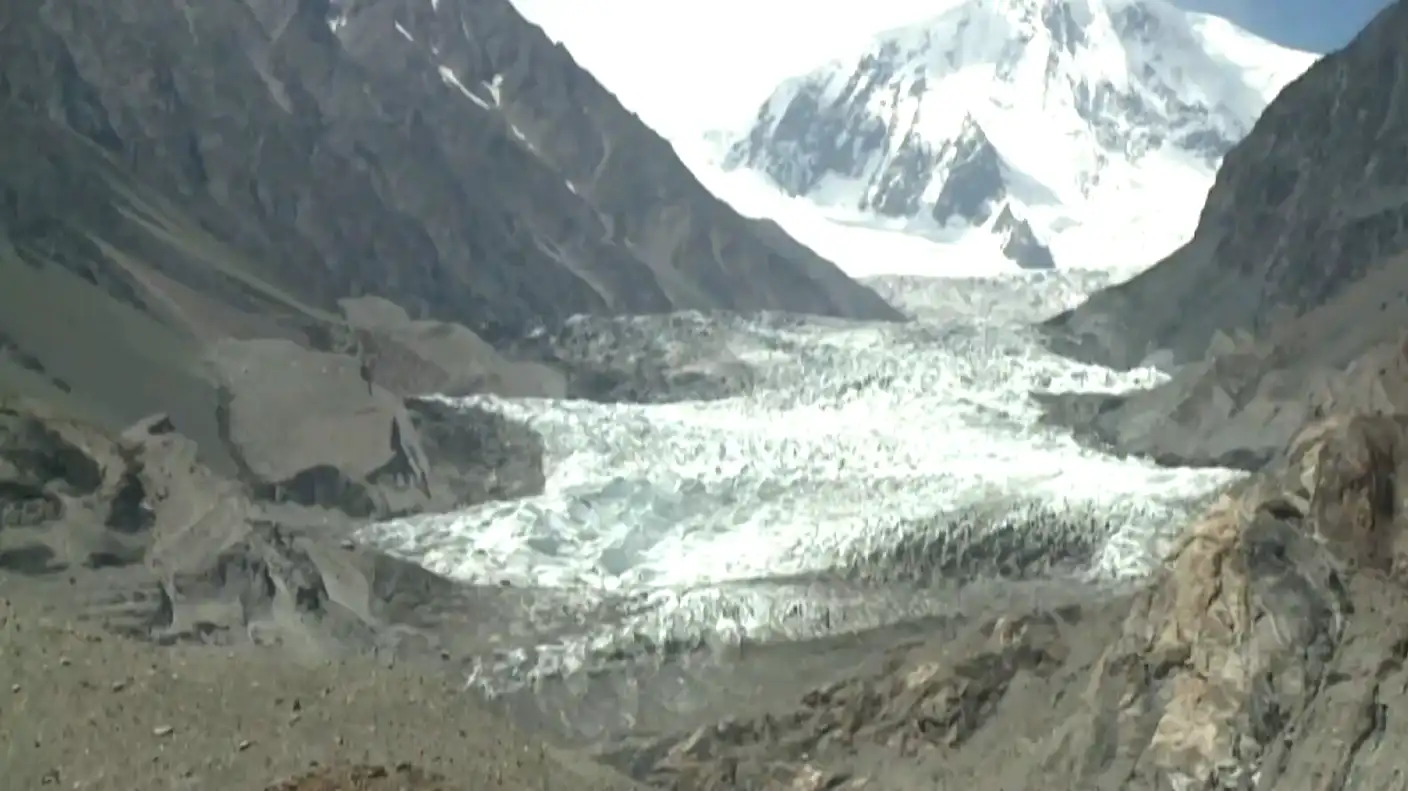
A relentless, record-breaking summer heatwave has pushed the natural wonders of Central Europe to a historic breaking point. Across the Alps, researchers have confirmed that Swiss glaciers are melting at an alarming rate, entirely exhausting their winter snow reserves months ahead of schedule. On Monday, June 29, Switzerland is projected to reach its critical “glacier loss day”—the specific annual tipping point when all the snow and ice accumulated during the previous winter has completely melted away. This year’s early arrival marks the second-earliest date for this milestone in recorded history, signaling an uncontrolled acceleration of the regional climate crisis.
Glacier loss day serves as a highly vital metric for environmental scientists monitoring the health of mountain ecosystems. Before this tipping point, the white winter snow cover acts as a protective shield, insulating the older, blue glacial ice beneath it. Once this seasonal snow reserve vanishes, every subsequent day of warm weather directly melts the ancient glacial ice mass, causing the glaciers to shrink permanently. In data going back to the start of the century in 2000, the only time this tipping point arrived even earlier was during the catastrophic summer of 2022, when it fell on June 26. In a healthy climate state, this milestone does not typically occur until mid-August.
The physical volume of water currently rushing off the mountains highlights the sheer magnitude of the summer melt. On-field measurements from the Swiss Glacier Monitoring Network, known as GLAMOS, reveal that Swiss glaciers are losing water at a staggering volumetric rate of approximately 400 cubic meters per second. To put this figure into perspective, the volume of glacial meltwater currently flowing into major European river systems is vast enough to fill an Olympic-size swimming pool every six seconds, day and night. This unprecedented runoff is rapidly expanding high-altitude glacial lakes, threatening to destabilize steep mountain slopes.
This devastating environmental degradation is the direct consequence of an exceptionally intense, prolonged heatwave that has shattered historical temperature records across the European continent. Meteorological stations recently registered Basel, Switzerland’s highest-ever June temperature of 38.8 °C, while parts of the United Kingdom clocked a record 37.3 °C. Weather agencies warn that these sustained, high-altitude temperatures are having a severe impact on human health, agricultural productivity, and mountain infrastructure. Because the heatwave has persisted for over two consecutive weeks, the heat has penetrated even the highest peak regions of the Alps, leaving no safe haven for the ice.
The rapid degradation of individual ice bodies is shocking even to the most experienced field researchers. Glaciologist Matthias Huss, the director of the GLAMOS monitoring network at ETH Zurich, recently returned from a field inspection of the famed Rhône Glacier in the western Swiss canton of Valais. Huss reported that in a brief 10-day window between his visits, the glacier’s ice thickness had melted by a full meter in the vertical direction. This rapid rate of vertical thinning demonstrates how vulnerable these ancient ice caps have become when exposed to prolonged, high-altitude summer heat without any protective snow cover.
This year’s rapid glacier retreat is the result of a perfect storm of unfavorable environmental conditions. First, the Alps experienced an exceptionally dry winter, leaving the glaciers with roughly 25% less snow cover than the historical average from 2010 to 2020. This thin snowpack was then subjected to an unusually warm May, which caused the temporary winter reserves to disappear weeks earlier than normal. This rapid melting left the underlying glacial ice fully exposed to the sun’s rays, setting the stage for the devastating June heatwave to immediately begin eating away at the core of the ancient glaciers.
Compounding the low snowfall is a highly unusual meteorological phenomenon that occurred earlier in the spring. In March, strong atmospheric winds blew massive clouds of dust from the Sahara Desert directly across the Mediterranean, depositing a fine, orange-brown layer of sand over the pristine Alpine snowpacks. This dark dust layer severely lowered the solar reflectivity, or albedo, of the snow. Instead of reflecting up to 90% of the sun’s solar radiation into space as clean white snow naturally does, the dust-covered surface absorbed the heat, accelerating the spring snowmelt and exposing the underlying dark glacier ice to premature destruction.
The vulnerability of these glaciers is heavily tied to the fact that Switzerland is warming at twice the global average pace. A comprehensive scientific report published recently by 60 climate experts from the Swiss Academy of Sciences confirmed that since the start of national record-keeping in 1864, the average temperature in Switzerland rose by 1.8 °C. This rate is more than double the global average warming because Switzerland is completely landlocked. Lacking the thermal buffering effect of open oceans, which absorb vast amounts of atmospheric heat, the landlocked European nation experiences intensified terrestrial warming that directly impacts its high-altitude glaciers.
Ultimately, the early arrival of glacier loss day is a stark warning of a changing hydrological future for the entire European continent. Famed Alpine glaciers act as natural water towers for Europe, slowly releasing stored water during dry summer months to feed major international rivers like the Rhine and the Rhône. If these glaciers continue to disappear at this alarming rate—with over 1,100 small glaciers already completely gone since the 1970s—these critical waterways will face severe summer droughts, disrupting commercial shipping, agricultural irrigation, and nuclear power plant cooling systems. The melting in the Alps proves that the climate crisis is no longer a future threat, but an active, physical reshaping of our shared continent.