Key Points:
- The UK and Switzerland agreed on an enhanced free trade deal that boosts services trade but locks in rigid pharmaceutical patent rules.
- For the first time in any trade agreement, the UK committed to maintaining its ten-year Regulatory Data Protection period.
- The Department of Health and Social Care previously resisted the deal over concerns that it permanently prevents lowering NHS drug bills.
- The concessions follow a separate U.S. medicines deal that is projected to cost the NHS £44.7 billion over the next decade.
The United Kingdom has finalized an enhanced free trade agreement with Switzerland that locks in strict intellectual property protections for the pharmaceutical lobby despite deep concerns over rising healthcare costs. The bilateral agreement, signed in Bern by British Trade Secretary Peter Kyle and Swiss President Guy Parmelin, aims to boost services exports by £5.2 billion ($7 billion) annually. However, the decision to enshrine current drug patent exclusivity rules within an international treaty restricts the government’s future ability to lower the prices the National Health Service (NHS) pays for life-saving medicines.
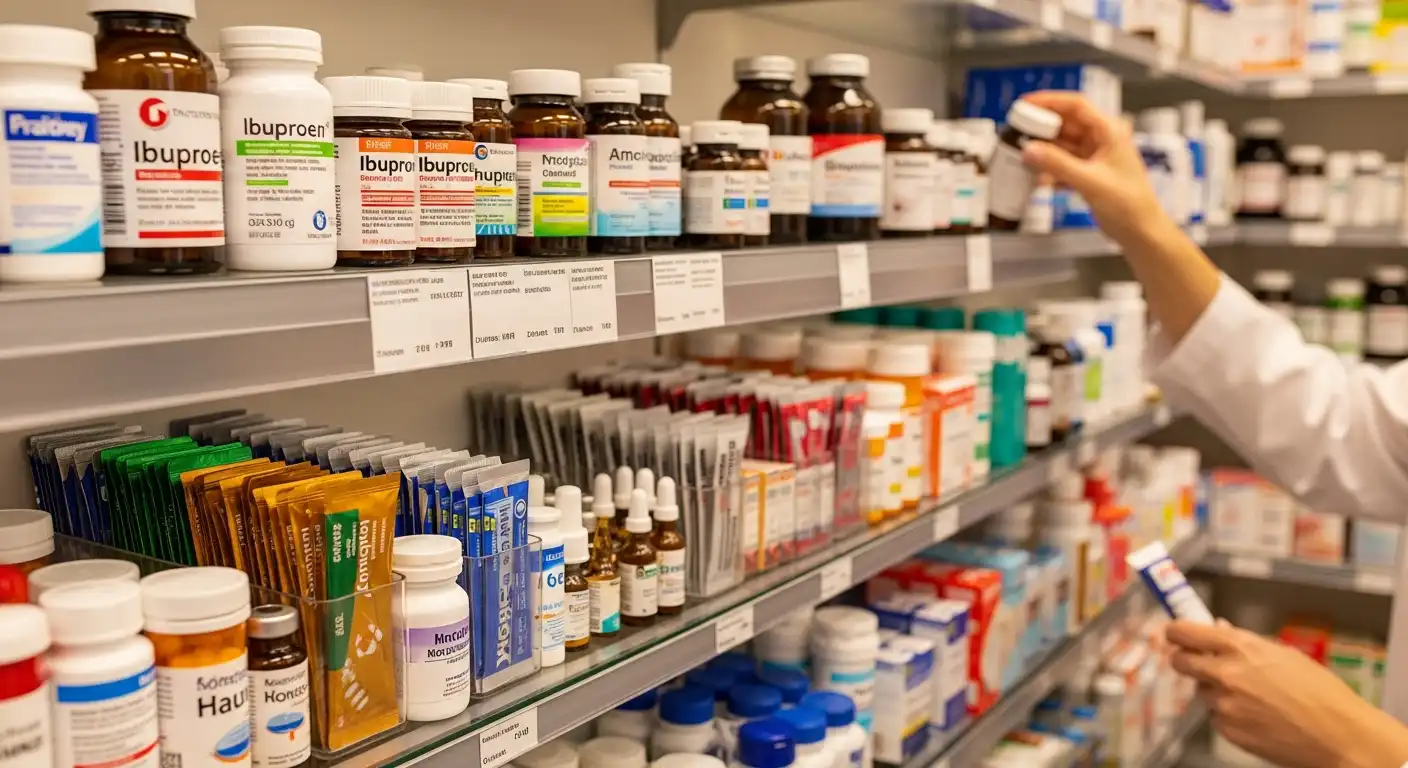
The treaty marks the first time the United Kingdom has formally committed to maintaining its ten-year Regulatory Data Protection (RDP) period in a free trade agreement. Under this framework, generic drug manufacturers cannot enter the market or compete with brand-name drugs for a decade after regulators first license an original medicine. The agreement also binds the country to maintain up to five years of patent extensions under Supplementary Protection Certificates (SPCs), with the flexibility to increase these terms in the future.
These pharmaceutical concessions follow a bitter, months-long row between competing British government departments during negotiations. The Department of Health and Social Care (DHSC) previously resisted locking these specific patent extensions into an international treaty. Health officials argued that enshrining these terms permanently prevents the UK from ever shortening exclusivity periods, which would block the entry of cheaper generic and biosimilar alternatives. Conversely, the Department for Business and Trade and the Office for Life Sciences lobbied heavily in favor of the Swiss demands, arguing that stronger protections encourage investment in the domestic life sciences sector.
The broader trade deal focus lies in securing long-term economic gains for the service industries of both nations, which account for over 60% of their bilateral trade. The treaty introduces reciprocal 90-day visa-free travel for services professionals and permits firms to transfer staff to overseas offices for up to five years without undergoing local economic tests. The agreement also prohibits either country from enforcing data localization requirements, allowing tech and financial firms to establish remote data centers more freely. In the long run, the British embassy projects that total bilateral trade will rise by 7.9 billion Swiss francs ($9.76 billion) per year.
The Swiss concessions arrive amid a wider shift in British trade and healthcare policy. In December, the government finalized a highly controversial pharmaceutical trade agreement with the United States to avoid threatened 100% import tariffs. That agreement, which went into effect in April, doubled the NHS budget allocation for patented U.S. medicines, raising spending from 0.3% to 0.6% of the country’s gross domestic product. The combined impact of the U.S. and Swiss agreements solidifies a policy direction that favors global pharmaceutical corporations at the expense of cheaper generic competitors.
The financial consequences of these back-to-back trade deals present a major challenge to the NHS’s long-term sustainability. Independent academic projections indicate that the U.S. medicines treaty alone will divert £44.7 billion ($59.5 billion) away from frontline healthcare services by 2036. By locking in the ten-year generic delay with Switzerland, the government has further limited its options to offset these ballooning costs through cheap domestic generic drug manufacturing. Healthcare analysts project that this systematic squeeze on the generic supply chain will inevitably lead to longer wait times, staff shortages, and reduced treatment capacity in local hospitals.
Generic and biosimilar medications currently supply nine out of ten medicines used by the NHS, saving the taxpayer billions of pounds every year. The decision to enshrine a minimum ten-year market monopoly for brand-name drugs directly restricts the commercial viability of generic manufacturers operating in the UK. Industry groups warn that if the state continues to prioritize originator drug margins while squeezing generic suppliers, manufacturers will exit the British market entirely, resulting in critical medicine shortages and leaving the NHS vulnerable to monopolistic pricing.
The UK’s concessions reflect a broader, global trend of rising protectionism and pharmaceutical price inflation. As Western nations navigate geopolitical uncertainty and trade wars, major multinational drugmakers are leveraging their research and development portfolios to demand higher prices and longer exclusivity periods from national governments. Switzerland, which is home to global pharmaceutical giants like Roche and Novartis, has aggressively integrated strict patent standards into its international trade negotiations to protect its most lucrative export sector from low-cost competition.
Beyond the fiscal strain, the trade treaties are reshaping the clinical landscape in Britain. To accommodate the rising costs of patented imports, the National Institute for Health and Care Excellence (NICE) raised its cost-effectiveness threshold for approving new treatments to £35,000 per year. While this regulatory adjustment allows the NHS to approve more cutting-edge, life-extending therapies, it also allows global pharmaceutical firms to charge significantly higher prices for their products. This shift leaves less funding available for essential daily healthcare services, creating a deep imbalance in universal health delivery.
The finalization of the enhanced free trade agreement with Switzerland highlights the difficult trade-offs facing post-Brexit Britain. While the services and digital provisions offer a major boost to the financial and professional services sectors, the underlying pharmaceutical concessions permanently tie the hands of NHS budget planners. As healthcare costs continue to climb under the weight of these international treaties, the government must find a way to reconcile its ambitious global trade goals with the survival of its universal healthcare system.