Key Points:
- The United States is imposing a 25% tariff on imports from Brazil starting July 22 over deemed unfair trade practices.
- President Luiz Inácio Lula da Silva seized on the tariffs to launch a highly successful “TariFlavio” election attack against his rival.
- The strategic trade levies exempt critical commodities such as coffee, beef, oranges, and Embraer aerospace components.
- Economists criticize the unilateral protectionism, highlighting that the U.S. has maintained a trade surplus with Brazil for years.
The United States has formally decided to impose a 25% tariff on a wide range of imports from Brazil, a move that is rapidly reshaping the political landscape of South America’s largest economy. Set to take effect on July 22, the unilateral levies follow a yearlong investigation by the Office of the U.S. Trade Representative into Brazil’s domestic trade and regulatory practices. While Washington designed the trade penalties to protect American commercial interests, the decision has had the unexpected effect of delivering a massive, ready-made political gift to Brazil’s leftist President Luiz Inácio Lula da Silva ahead of a highly contested national election.
Instead of damaging his standing, the new import levies have handed the 80-year-old president a powerful line of attack against his top conservative challenger, Senator Flávio Bolsonaro. Lula’s campaign team immediately seized on the tariff threat, branding the incoming taxes “TariFlavio” after the senator. This highly calculated nickname directly links the tariffs to Bolsonaro’s recent high-profile visit to Washington, where he met with top U.S. officials at the White House just days before the trade penalties were publicly proposed, allowing the president to paint his opponent as a traitor to national economic interests.
The president’s political machinery moved with extraordinary speed to capitalize on the development. Within hours of the tariff announcement, pro-government networks, local party officers, and internet activists flooded digital platforms like X with the “TariFlavio” hashtag, quickly pushing it to the top of regional trending charts. By framing the conservative challenger as a politician who went to Washington to invite foreign economic intervention, the administration has successfully generated a powerful “rally-around-the-flag” effect that has boosted the president’s popularity in key working-class electoral districts.
The sudden political backlash has forced Senator Bolsonaro and his allies into a defensive posture. The conservative challenger, who is the son of former President Jair Bolsonaro, tried to distance himself from the trade penalties, publicly asserting that he had explicitly urged U.S. officials to avoid placing new levies on Brazil during his recent trip. In a bid to demonstrate his proactive defense of the local economy, the senator announced that he had sent a formal letter to U.S. Secretary of State Marco Rubio, warning that the new trade barriers would inflict serious harm on the Brazilian people and strengthen the leftist government’s political position.
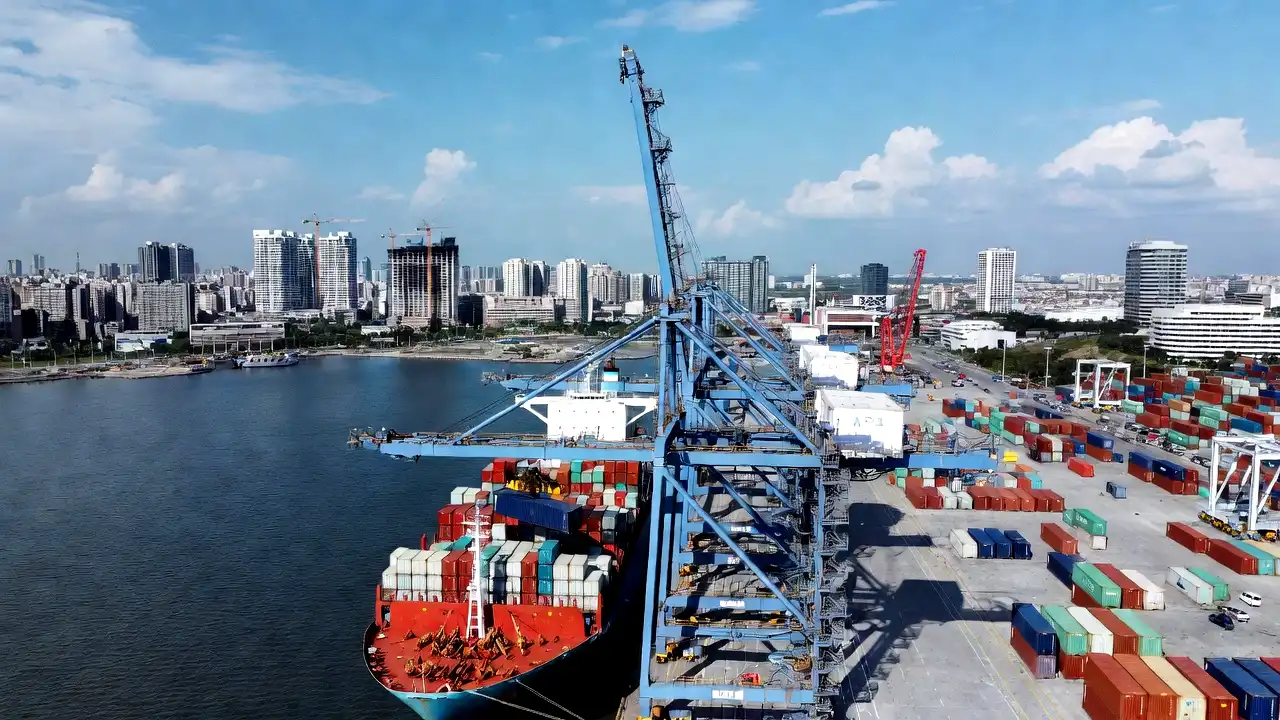
The actual scope of the 25% tariff highlights a highly calculated, strategic approach by U.S. trade officials. To prevent the taxes from disrupting the domestic U.S. economy, the administration has exempted several critical Brazilian exports that are not easily produced in the United States or are vital to existing manufacturing supply chains. These key exemptions include coffee, beef, oranges, orange juice, aerospace parts manufactured by Embraer, and several vital oil and gas energy products. By focusing strictly on less sensitive commodities, Washington hopes to apply pressure on Brasília without triggering domestic consumer price inflation.
The formal justification for the unilateral trade action stems from a comprehensive investigation by the U.S. Trade Representative, Jamieson Greer. The trade office concluded that Brazil, the world’s 10th-biggest economy, continues to engage in unreasonable and discriminatory trade practices that burden and restrict U.S. commerce. Specific grievances cited in the investigation include lax domestic anti-corruption enforcement, unfair digital services taxes targeting American technology firms, and a failure to prevent Brazilian farmers from exploiting illegally logged Amazonian land to gain an unfair competitive advantage over American agricultural producers.
However, the decision to impose unilateral trade barriers has drawn sharp criticism from international economists due to a glaring structural irony. Unlike standard trade disputes where a country uses tariffs to close a trade deficit, the United States has actually maintained a substantial goods trade surplus with Brazil for many years. Local trade ministries in Brasília quickly denounced the levies, pointing out that there is zero economic justification for applying unilateral trade penalties against a partner country that already imports more American goods than it exports, calling the move a clear act of political protectionism.
This is not the first time the two nations have locked horns over trade barriers. Last year, Washington slammed Brazil with a massive 50% tariff on several commodity imports, citing a lack of cooperation following a political coup attempt in Brasília. At the time, that initial wave of tariffs similarly boosted the leftist president’s domestic popularity, as he successfully rallied the public against what he characterized as a flagrant violation of Brazilian sovereignty. This latest 25% tariff represents a continuation of this aggressive trade policy, further straining diplomatic relations that had briefly begun to recover.
Beyond the immediate electoral fallout, the trade war is accelerating a significant geopolitical shift in South America. As Washington closes its markets to Brazilian goods and imposes strict regulatory conditions, Brasília is actively accelerating its trade turn away from the United States and toward alternative global powers. Local agricultural and industrial exporters are increasingly securing long-term supply contracts with China, which remains highly eager to import South American grain, beef, and minerals, potentially diminishing U.S. strategic influence in the Western Hemisphere.
Ultimately, the decision to impose a 25% tariff on Brazilian imports serves as a stark reminder of the highly unpredictable intersection of trade policy and international politics. While Washington designed the levies to punish regulatory backsliding, the move has backfired by handing a powerful nationalist narrative to the leftist president just months before the critical October election. As the July 22 implementation deadline approaches, the ongoing battle over “TariFlavio” will likely demonstrate whether trade protectionism can successfully protect domestic businesses or merely serve as a powerful catalyst for foreign political realignment.