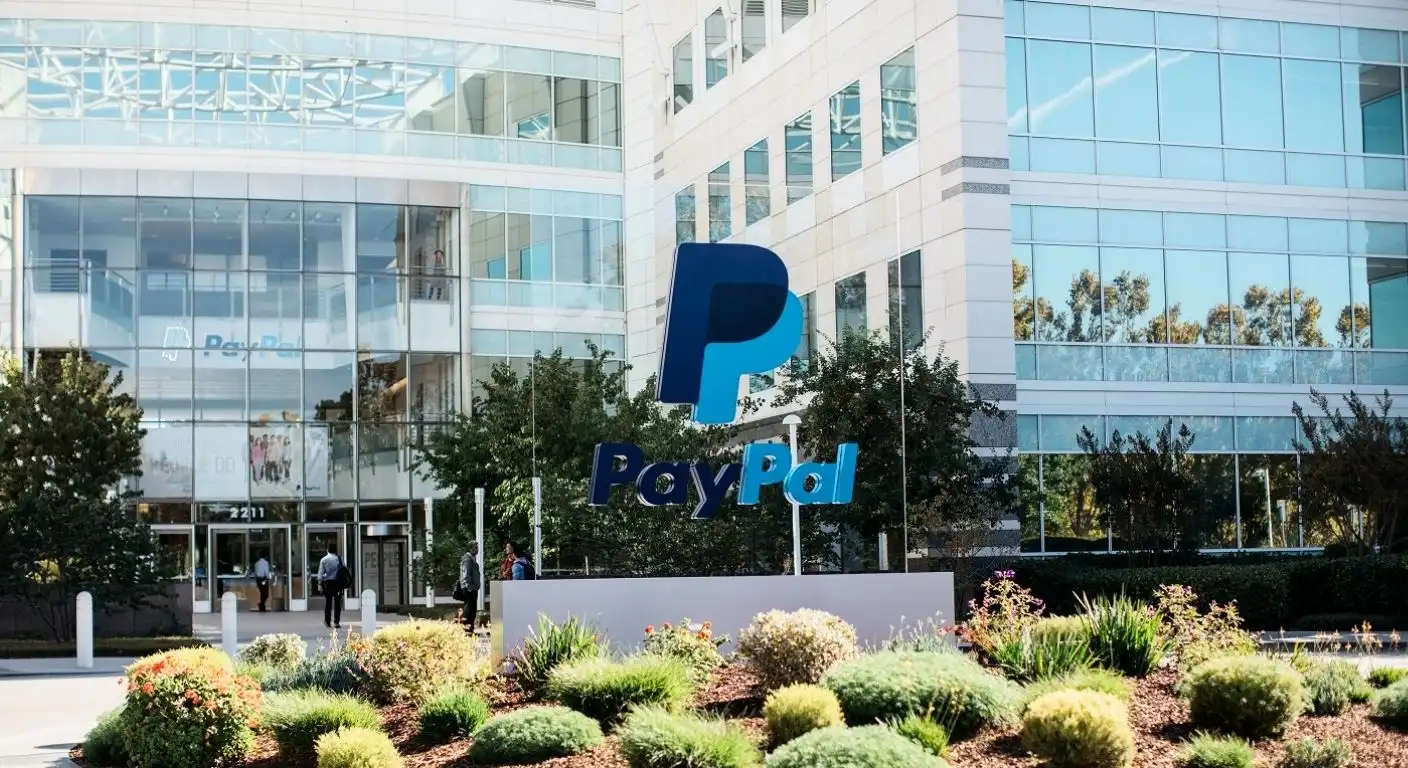
The global financial technology sector has entered a highly volatile, defining era of consolidation. In a move that represents the most significant corporate development in digital payments history, reports recently emerged that the online payments pioneer Stripe and private equity giant Advent International have made an unsolicited, blockbuster proposal to acquire PayPal Holdings. The high-stakes takeover bid aims to buy up the legendary Silicon Valley company for a staggering $53 billion, completely reshaping the landscape of global digital commerce.
The physical details of the proposed transaction, first disclosed by Reuters on a Wednesday, have sent massive shockwaves through the financial markets. Stripe and Advent have put forward an indicative offer of $60.50 per share in cash and debt. This pricing represents an encouraging 28 percent premium over the company’s pre-announcement trading price of $47.37. The stock market responded to the news with immediate, historic enthusiasm, driving shares of the company up by more than 22 percent in a single week as investors processed the potential for a massive, multi-billion-dollar cash exit.
However, the road to a completed acquisition is far from guaranteed. While the financial markets are celebrating the bid, the board of directors of the target company is preparing a highly defensive response. The board, led by newly appointed Chief Executive Officer Enrique Lores and Independent Chair David W. Dorman, reportedly views the $53 billion valuation as inadequate. They believe the current offer fails to reflect the massive, long-term value they can unlock by completing their own internal corporate restructuring, setting the stage for a prolonged, highly contentious bidding war.
The Sudden Shift: From Wall Street Darling to Unwilling Merger Target
The current situation represents an extraordinary, highly painful reversal of fortune for a company that was once the undisputed darling of Wall Street. Founded in the late 1990s as a brash, rebellious Silicon Valley startup, the company spent two decades building its legendary status. Its early executive alumni, famously known as the “PayPal Mafia,” went on to found some of the most influential companies in the world, including Tesla, LinkedIn, YouTube, and Palantir.
During the height of the post-pandemic digital commerce boom in July 2021, the company’s valuation reached an astronomical peak of approximately $350 billion. Investors believed that the transition away from physical cash was permanent, and that the company’s dominant checkout button would continue to monopolize online transaction volumes indefinitely.
Since that historic peak, however, the company’s financial health has suffered a devastating collapse. Over the past five years, the stock price has plummeted by a painful 84 percent, stripping away nearly $300 billion in market capitalization and leaving the company highly vulnerable to opportunistic, low-cost takeover bids from more agile competitors.
The Financial Architecture of the Fifty-Three Billion Dollar Bid
To fund one of the largest acquisitions in technology history, Stripe and Advent International have assembled a formidable, highly structured financial package. The buyers are not relying on speculative stock swaps; they have lined up concrete, highly secure debt and equity commitments to ensure absolute execution capability.
According to financial insiders, Wall Street’s premier investment banks, including JPMorgan Chase and Morgan Stanley, have agreed to provide approximately $50 billion in senior debt financing to support the transaction.
The remaining capital will be funded through direct equity contributions, with Stripe and Advent each committing roughly $17 billion of their own capital to the joint venture.
This robust funding structure proves to the markets that the $53 billion bid is a serious, highly credible offer backed by the full weight of the global financial establishment, forcing the target board to evaluate the proposal with absolute seriousness.
The Valuation Disconnect: Why the Company is Too Cheap to Ignore
The primary reason why Stripe and Advent are launching this aggressive takeover bid is a profound valuation disconnect. Despite its prolonged stock market decline, the company remains an incredibly cash-generative, highly profitable enterprise, managing over 439 million active consumer accounts and processing hundreds of billions of dollars in annual transaction volume.
Yet, because of the market’s pessimistic growth projections, the stock currently trades at an incredibly cheap valuation multiple. The company is valued at a trailing price-to-earnings ratio of just 8 times, with a price-to-earnings-to-growth ratio of only 0.77.
For an asset manager or a strategic competitor, buying a highly profitable, market-leading business at eight times earnings is an incredibly attractive proposition.
The cash generated by the company’s core operations can easily service the debt used to fund the acquisition, allowing the buyers to extract billions of dollars in low-risk profits once the transaction is completed.
The Cantor Fitzgerald Sum-of-the-Parts Analysis
The belief that the current $60.50 bid is too cheap is heavily supported by independent analysts on Wall Street. Following the publication of the Reuters report, brokerage firm Cantor Fitzgerald released a highly detailed “sum-of-the-parts” analysis, suggesting that the company’s underlying assets are worth significantly more than the current offer price.
The analysis pointed out that the company’s individual business segments possess immense, untapped value when evaluated separately.
The core consumer checkout button remains a highly profitable utility, while its peer-to-peer payments application, Venmo, holds an iconic, highly valuable brand position among younger consumers.
Furthermore, its Braintree merchant-processing division continues to experience strong volume growth.
Cantor Fitzgerald estimated that when these divisions are valued independently, the company’s true fair value sits closer to $70 per share, suggesting that Stripe and Advent will have to raise their offer significantly to win the board’s approval and avoid a hostile shareholder revolt.
What Went Wrong: The Structural Decline of a Silicon Valley Pioneer
The strategic decline of the payments pioneer is a classic cautionary tale of corporate complacency and technological disruption. For twenty years, the company dominated the online checkout space because it possessed a massive first-mover advantage. If a merchant wanted to sell products online, they had to install the company’s red-and-blue checkout button, as consumers refused to enter their credit card details into unverified, independent websites.
This payment-button monopoly was shattered by the rapid, highly disruptive rise of mobile operating system-level checkouts.
The primary catalyst for the company’s market-share loss was the aggressive expansion of Apple Pay and Google Pay.
By integrating digital wallets directly into the operating system of the iPhone and Android devices, Apple and Google eliminated the need for consumers to ever use third-party payment buttons.
A user can now complete a purchase instantly using simple biometric face or fingerprint recognition, bypassing the need to log into an external payment account and rendering the traditional web button increasingly obsolete.
The Rise of Modern Checkout Competitors
While Apple Pay captured the mobile checkout space, other agile software platforms attacked the company’s merchant relationships. Shopify developed its own high-speed checkout system, Shop Pay, which has captured a massive share of the independent e-commerce market by offering faster loading times and seamless, one-click transactions for millions of online storefronts.
At the same time, buy-now-pay-later pioneers like Klarna, Affirm, and Block’s Afterpay captured the interest of younger, debt-conscious consumers, offering flexible installment payment options that the legacy payment provider was incredibly slow to replicate.
This multi-front competitive squeeze systematically eroded the company’s market share, compressed its transaction take-rates, and led to consistent, highly painful revenue misses.
Management Upheaval and the Elliott Activist Campaign
The prolonged operational underperformance eventually drew the attention of prominent activist investors. In previous years, the hedge fund Elliott Investment Management launched an aggressive, highly disruptive campaign, acquiring a significant stake in the company and demanding immediate, sweeping leadership changes to cut corporate overhead and boost profitability.
This activist pressure triggered a period of intense management upheaval. The board of directors repeatedly replaced senior executives, struggling to find a leader capable of stabilizing the business.
Recently, the company suffered another major blow when a severe profit warning sent the stock down 20 percent in a single day, prompting the immediate departure of the previous CEO.
To stabilize the firm, the board appointed Enrique Lores as the new Chief Executive Officer and David W. Dorman as the independent board chair.
While Lores has launched a comprehensive restructuring program to streamline operations and focus on core checkout and Venmo features, the company’s low valuation has left it exposed to this massive, unsolicited takeover bid before his turnaround plans can bear fruit.
The Strategic Rationale: Why Stripe Wants to Buy Its Legacy Rival
The strategic logic behind the proposed acquisition is highly compelling. If the transaction receives final regulatory approval, it will unite the two most dominant, highly successful online payment platforms in the Western world, creating an absolute colossus of digital commerce.
Historically, the two companies operated in completely different segments of the market. The legacy payments pioneer focused primarily on consumer-facing checkout buttons and peer-to-peer retail transactions.
Stripe, by contrast, built its massive $159 billion empire entirely on the developer side, providing the highly advanced, invisible API infrastructure that allows websites and mobile applications to accept credit card payments behind the scenes.
By combining these two businesses, Stripe can establish an absolute, end-to-end monopoly over global digital transactions.
The merged company would control both the developer-focused backend infrastructure and the consumer-facing frontend checkout buttons, allowing it to capture a transaction fee at every single stage of the digital payment cycle.
This unparalleled integration would yield massive cost savings, eliminate duplicate processing networks, and grant the combined company immense, unprecedented pricing power over global merchants.
Driving the Future of Stablecoin and Digital Asset Payments
Beyond traditional credit card transactions, Stripe is locking in its strategic position for the next generation of global commerce: blockchain-based payments.
The company made its intentions clear when it executed a massive, historic $1.1 billion acquisition of the stablecoin transaction platform Bridge, marking the largest acquisition in the history of the digital asset industry.
The company’s leadership team believes that the future of international commerce will run on dollar-backed stablecoins rather than legacy, slow-moving bank wire networks.
By acquiring its rival, Stripe would instantly absorb the company’s proprietary stablecoin, PYUSD, and integrate it directly into its own high-capacity stablecoin payment APIs.
This integration would allow global merchants to execute instant, low-cost international settlements, bypass the expensive credit card networks entirely, and establish a dominant, Western-regulated alternative to offshore digital currencies.
The Antitrust Mountain: Navigating the Regulatory Minefield
While the financial and technological benefits of the merger are undeniable, the transaction faces a massive, potentially insurmountable obstacle in the regulatory system. The proposal to combine the two largest independent digital checkout platforms in the Western world will immediately trigger intense, highly aggressive antitrust investigations.
Regulators at the Federal Trade Commission in the United States and the European Commission in Brussels have spent years taking an increasingly hostile stance against large-scale technology mergers.
They argue that consolidation in the digital payments space directly harms consumers by reducing competition, driving up transaction fees for small businesses, and creating systemic single points of failure that threaten the stability of the global financial system.
To secure regulatory approval, Stripe and the private equity firm Advent may be forced to make significant, painful structural concessions.
Regulators are highly likely to demand that the company divest major business units as a condition for clearing the merger.
For example, the FTC could force the partners to sell off Venmo to prevent the combined company from dominating both the retail checkout button and the peer-to-peer mobile wallet markets.
Managing these regulatory negotiations will require years of complex litigation and massive legal expenditures, introducing a significant layer of risk that could ultimately cause the entire transaction to fall apart.
The potential takeover of the legendary payments pioneer is a defining, historic moment for the entire global technology sector. By proving that even the most established, multi-billion-dollar Silicon Valley giants are vulnerable to unsolicited acquisitions when they lose their competitive edge and fail to innovate, this high-stakes bid has completely rewritten the rules of fintech corporate finance.
As the board of directors prepares its formal response and looks ahead to its next quarterly earnings report, the message to the market is clear: the era of uninhibited, legacy tech dominance is officially over.
Success in the next decade of digital commerce requires absolute adaptability, deep technological integration, and a relentless focus on customer utility.
Whether the company successfully defends its independence under Enrique Lores’s leadership or is ultimately swallowed by Stripe’s rising empire, the battle over the future of the digital checkout button will continue to define the direction of the global economy, ensuring a faster, smarter, and more consolidated financial world for generations to come.