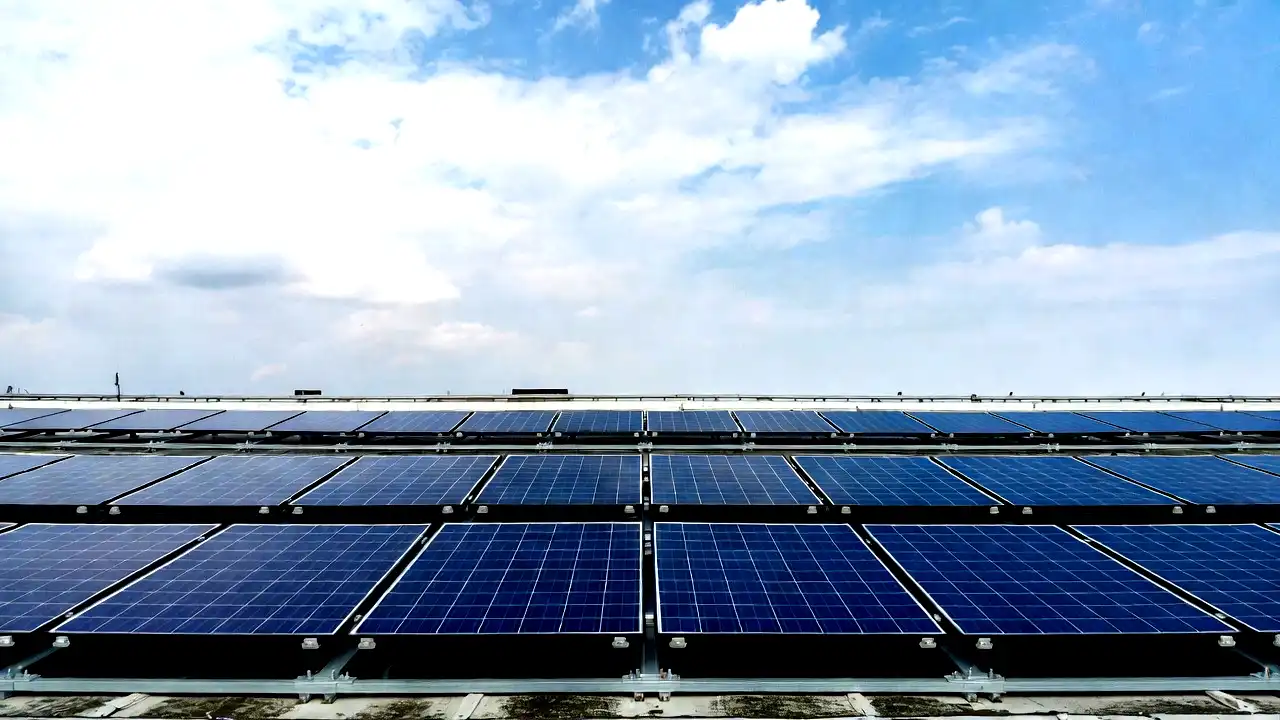
A clean energy revolution is transforming the African continent as millions of households, commercial enterprises, and industrial factories turn to distributed solar installations. Driven by plunging photovoltaic hardware costs, persistent public utility failures, and escalating grid tariffs, the adoption of rooftop solar systems has surged at an unprecedented pace. Across urban capitals and remote rural communities alike, decentralized clean power is filling the void left by underfunded state utilities, providing reliable electricity to populations that have endured decades of frequent blackouts.
Data from international energy research groups reveals that decentralized solar installations across Africa have expanded at an annual growth rate exceeding 35% over recent years. South Africa, Nigeria, Kenya, Ghana, and Egypt lead this continent-wide transition. In many sub-Saharan markets, rooftop solar paired with lithium-ion battery storage has become cheaper per kilowatt-hour than running noisy diesel generators or purchasing unreliable power from national grids.
The rapid proliferation of distributed energy represents a technological leapfrog moment comparable to Africa’s rapid adoption of mobile telecommunications two decades ago. Rather than waiting decades for state monopolies to construct expensive, centralized power stations and thousands of miles of high-voltage transmission lines, African consumers and businesses are building their own micro-generation infrastructure directly on their roofs. Supported by innovative pay-as-you-go financing models, mobile money payment channels, and an influx of private capital, rooftop solar is unlocking economic productivity and reshaping the energy future of more than 1.2 billion people.
Economic Drivers Behind Africa’s Rooftop Solar Explosion
For decades, economic expansion across Africa was constrained by inadequate electrical infrastructure. More than 600 million people across the continent—representing roughly 48% of the total population—still lack dependable access to electrical power. Those connected to national grids frequently face chronic load shedding, voltage fluctuations, and unpredictable blackouts that disrupt businesses and damage delicate electrical appliances.
Historically, commercial businesses and middle-class households compensated for grid instability by purchasing backup diesel and gasoline generators. However, the economics of fossil-fuel generation have collapsed under the weight of surging global crude oil prices, local currency devaluations, and the elimination of state fuel subsidies in major economies like Nigeria and Egypt.
At the same time, the global cost of solar photovoltaic modules has plummeted by more than 85% over the past decade, while lithium-ion battery storage expenses have dropped by nearly 70%. This cost inversion has made private solar generation the most practical, cost-effective energy choice across the continent.
Plunging Equipment Costs and the 85% Module Price Drop
The primary catalyst accelerating rooftop adoption is the dramatic affordability of clean energy hardware. A massive expansion of global manufacturing capacity, concentrated heavily in specialized industrial hubs in Asia, has driven the wholesale price of solar panels to historic lows of less than 12 to 15 cents per watt.
This hardware deflation has transformed the economics of small-scale installations:
- A standard 5-kilowatt residential solar system with battery storage that cost $12,000 eight years ago can now be installed for less than $4,500.
- Small commercial systems designed for shopping centers, private schools, and health clinics deliver a return on investment within three to five years.
- High-efficiency N-type TOPCon and heterojunction solar panels generate up to 22% more electricity from the same roof area, maximizing output in dense urban neighborhoods.
- Modular lithium iron phosphate battery packs offer operational lifespans exceeding 6,000 charge cycles, providing ten to fifteen years of dependable night-time electricity.
These falling prices have removed the steep capital barriers that previously restricted solar ownership to wealthy elites and multinational corporations, making solar technology accessible to working-class families and small business owners.
Escaping Diesel Generator Expenses and Subsidy Removals
For millions of African commercial enterprises, generating power with diesel was an expensive operational burden. In Nigeria, the largest economy in West Africa, commercial businesses previously spent an estimated $14 billion annually to purchase fuel and maintain millions of private generators.
The economic pressure reached a breaking point following aggressive fiscal reforms:
- The Nigerian federal government eliminated decades-old petrol subsidies, causing retail fuel prices to surge by more than 250% overnight.
- Similar subsidy rollbacks and foreign exchange liberalizations in Ghana and Egypt drove local fuel costs to record highs.
- Operating a standard 20-kilovolt-ampere diesel generator now costs commercial businesses between 45 and 65 cents per kilowatt-hour.
- By comparison, a commercial rooftop solar and battery storage system generates clean electricity at an amortized levelized cost of 14 to 18 cents per kilowatt-hour.
Switching to rooftop solar allows retail shops, cold-storage warehouses, bakeries, and commercial banks to cut monthly energy expenditures by 50% to 70%, liberating operating cash flow for business expansion and hiring.
Regional Leaders Pioneering the Distributed Solar Transition
While the solar boom touches every corner of the continent, distinct regional dynamics drive adoption across different markets. In southern Africa, industrial self-generation and residential load-shedding defenses dominate the market. In West and East Africa, commercial fuel replacement and off-grid rural electrification lead the way.
Governments across these key regional hubs are increasingly embracing policy reforms to encourage private solar installations, remove import tariffs on solar components, streamline municipal grid-connection rules, and establish legal frameworks for solar net metering.
Examining these leading national markets illustrates how distributed solar is transforming diverse economic sectors across the continent.
South Africa’s Grid Crisis and the 5-Gigawatt Private Rooftop Surge
South Africa represents the largest and most mature rooftop solar market on the continent. Years of severe rotational power cuts implemented by the state utility Eskom forced businesses and homeowners to invest aggressively in private generation.
Following regulatory reforms that eliminated generation licensing caps, South Africa experienced an unprecedented private solar boom:
- Total installed rooftop and private commercial solar capacity expanded from less than 1,000 megawatts in 2021 to more than 5,600 megawatts today.
- Private households and commercial property developers spent over $3.2 billion on solar panels, inverters, and battery storage systems in a two-year span.
- Major metropolitan municipalities, including Cape Town and Johannesburg, established feed-in tariffs that pay cash incentives to households that export surplus rooftop electricity back into municipal grids.
- Mining houses, automotive assembly plants, and major retail chains installed multi-megawatt rooftop arrays across commercial logistics hubs in Gauteng and the Western Cape.
This massive influx of private generation added the equivalent of five large coal-fired power station units to the national energy mix, significantly reducing pressure on the national grid and helping stabilize the broader economy.
Nigeria’s Commercial Shift Following Fuel Subsidy Reforms
In West Africa, Nigeria has emerged as one of the fastest-growing markets for commercial and industrial rooftop solar. The combination of an unreliable national grid that delivers less than 4,500 megawatts of power to a population of 220 million people and soaring fuel prices has forced the private sector to adopt solar at scale.
Commercial solar developers in Lagos, Abuja, and Kano are experiencing record demand:
- Commercial banks are installing rooftop solar arrays across thousands of retail bank branches and automated teller machine kiosks nationwide, cutting operational downtime to zero.
- Telecommunications operators, led by MTN Nigeria and Airtel Africa, are converting tens of thousands of diesel-powered cellular base stations to solar and battery power, saving millions of liters of fuel annually.
- Industrial manufacturers in industrial zones like Ikeja and Ogun are installing multi-megawatt rooftop arrays to power continuous assembly lines.
- The Rural Electrification Agency of Nigeria is deploying hundreds of millions of dollars from World Bank facilities to construct solar hybrid mini-grids across agricultural processing hubs.
By replacing expensive diesel generation with clean, predictable solar power, Nigerian enterprises are protecting their margins and building resilient operational infrastructure.
Kenya and East Africa’s Pay-As-You-Go Off-Grid Revolution
East Africa, anchored by Kenya, Tanzania, and Uganda, has pioneered consumer-focused distributed solar solutions. While large urban centers expand commercial rooftop installations, rural communities are leveraging mobile money technology to bypass traditional electrical grids entirely.
Kenya stands as the global pioneer of the pay-as-you-go solar business model:
- Innovative solar enterprises like M-KOPA, Sun King, and d.light have connected more than 15 million rural households across East Africa to solar home systems.
- Customers purchase a solar kit containing rooftop panels, lithium batteries, high-efficiency LED lighting, phone charging ports, and solar-powered televisions with a small upfront deposit of $10 to $20.
- Users pay off the remaining balance through daily or weekly micro-payments of 40 to 60 cents made via mobile money platforms like M-Pesa.
- Embedded Internet of Things controllers automatically activate the solar system upon receiving payment, unlocking permanent ownership once the loan is fully repaid within 12 to 24 months.
This fintech-enabled solar model has brought modern electrical lighting and digital connectivity to millions of off-grid agricultural families, replacing hazardous kerosene lamps and improving educational outcomes for rural schoolchildren.
Innovative Financing Models and Private Capital Mobilization
The rapid scaling of rooftop solar across Africa is made possible by sophisticated financial engineering. Because upfront capital costs remain a hurdle for lower-income households and small businesses, specialized energy financiers have developed innovative leasing, power purchase, and debt structures.
International development finance institutions, global private equity funds, and local commercial banks are channeling billions of dollars into African distributed energy platforms.
These financial mechanisms distribute capital costs over long timeframes, allowing consumers to pay for solar systems using the exact money they previously spent on utility bills and diesel fuel.
Power Purchase Agreements and Commercial Solar Leasing
For commercial and industrial enterprises, capital expenditure budgets are often reserved for core business operations rather than utility infrastructure. To serve this massive market, commercial solar developers offer fully financed Energy-as-a-Service contracts.
Under commercial Power Purchase Agreements and equipment leases:
- The solar developer finances, installs, owns, and maintains the rooftop solar and battery installation with zero upfront capital expenditure from the client.
- The corporate client agrees to purchase the generated electricity at a fixed, discounted rate that sits 20% to 40% below the local utility tariff for 10 to 20 years.
- The developer assumes all technological and maintenance risks, utilizing remote digital telemetry to monitor performance and replace faulty components.
- At the end of the contract term, ownership of the solar installation transfers entirely to the host business at zero additional cost.
Platforms like Starsight Energy, CrossBoundary Energy, and Daystar Power have deployed hundreds of megawatts of commercial rooftop solar under this model, powering beverage bottling plants, universities, shopping malls, and agricultural processing facilities across the continent.
Digital Micro-Financing and Mobile Money Integration
The integration of digital micro-credit with mobile telecommunications infrastructure has unlocked energy access for bottom-of-the-pyramid consumers. Sub-Saharan Africa is the global leader in mobile money penetration, with hundreds of millions of registered accounts processing billions of dollars in monthly transactions.
Distributed solar companies leverage this digital payments backbone to underwrite consumer credit:
- Utilizing proprietary machine learning algorithms to evaluate customer creditworthiness based on mobile phone calling habits and digital wallet transaction histories.
- Enabling frictionless, automated daily micro-deductions that match the daily income patterns of informal market traders and smallholder farmers.
- Allowing customers to establish formal digital credit profiles through prompt solar loan repayments, unlocking access to subsequent loans for agricultural water pumps, clean cookstoves, and smartphones.
- Lowering loan default rates across rural portfolios to less than 3.5%, establishing off-grid solar debt as an attractive asset class for institutional impact investors.
This digital financial architecture has established an efficient capital conduit that channels global climate finance directly into real-world consumer hardware across African villages.
Overcoming Supply Chain, Grid Integration, and Quality Control Hurdles
While the growth of rooftop solar across Africa is remarkable, the sector must overcome significant technical, logistical, and regulatory challenges to sustain its multi-decade expansion.
Rapid market growth has attracted counterfeit hardware, strained municipal distribution networks, and exposed shortages of trained solar installation technicians.
Addressing these structural bottlenecks is essential to protect consumer trust and ensure that installed systems deliver their promised operational lifespans.
Eliminating Counterfeit Solar Products and Substandard Batteries
A major challenge confronting the African solar market is the influx of low-quality, uncertified solar components. Unscrupulous importers frequently flood informal retail markets with substandard solar panels featuring falsely inflated wattage ratings, defective charge controllers, and recycled lead-acid batteries.
These low-grade products often fail within six to twelve months of installation, inflicting financial losses on low-income consumers and damaging public confidence in clean energy technology:
- National standards agencies, in partnership with the Global Off-Grid Lighting Association, are establishing mandatory quality testing frameworks to ban non-compliant hardware.
- Governments are implementing standardized import inspection regimens at major shipping ports, including Durban, Mombasa, and Lagos, to seize counterfeit equipment.
- Professional solar associations are launching certified installer registries, ensuring that local electricians receive formal technical training in safety protocols and proper system sizing.
- Major international manufacturers are incorporating cryptographic digital serial numbers and tamper-proof quick-response codes on panels and inverters to allow consumers to verify hardware authenticity.
Eliminating counterfeit products protects consumer investments and ensures that distributed solar installations operate reliably for decades.
Modernizing Utility Regulations and Enabling Bi-Directional Grids
The rapid growth of private rooftop generation presents a complex commercial challenge for state-owned power utilities. When high-value commercial customers install private solar systems and reduce their consumption of grid power, utility revenues drop, reducing the funds available to maintain transmission networks.
Forward-looking energy regulators are modernizing utility frameworks to transform distributed generation from a threat into an asset:
- Implementing standardized net-metering and bi-directional billing policies that allow residential and commercial solar owners to sell excess daytime electricity back to the grid.
- Developing automated grid connection codes that require modern inverters to provide voltage support, reactive power compensation, and anti-islanding safety protections.
- Exploring time-of-use tariff structures that incentivize private battery owners to discharge stored clean energy back into municipal grids during peak evening demand hours.
- Creating wheeling frameworks that allow solar developers to generate clean power in sunny rural regions and transmit it across utility lines to urban corporate buyers.
Modernizing regulatory frameworks ensures that decentralized solar works in harmony with public grid infrastructure, creating a resilient, decentralized power network.
Strategic Implications for Economic Development and Climate Goals
The continent-wide solar boom represents far more than an environmental success story; it is a foundational engine of macroeconomic development. Reliable, affordable electrical power drives industrial manufacturing, expands agricultural productivity, improves public healthcare delivery, and fosters technological innovation.
By deploying decentralized solar infrastructure at scale, African nations are decoupling economic growth from fossil fuel consumption, demonstrating that developing economies can expand industrial capacity while adhering to sustainable low-carbon pathways.
The success of distributed solar offers profound lessons for the global energy transition, proving that decentralized technology can solve energy poverty faster and more equitably than legacy centralized utilities.
Powering Agricultural Cold Chains and Healthcare Infrastructure
Beyond residential lighting and urban commercial buildings, distributed solar is revolutionizing critical rural infrastructure:
- Agricultural Cold Chains: Solar-powered cold storage units deployed across farming communities allow fruit, vegetable, and dairy farmers to preserve harvested crops, reducing post-harvest food spoilage by up to 40% and boosting rural farmers’ incomes.
- Agricultural Irrigation: Solar-powered water pumps replace expensive diesel pumps across dry agricultural belts, allowing smallholder farmers to cultivate crops year-round regardless of erratic rainfall patterns.
- Rural Healthcare Electrification: Solar and battery installations power remote health clinics, refrigerating temperature-sensitive vaccines, operating life-saving diagnostic equipment, and illuminating emergency delivery rooms during nighttime hours.
- Educational Connectivity: Solar-powered classroom micro-grids provide continuous electricity for digital computers, educational tablets, and internet routers in rural schools, closing the global digital education divide.
These productive-use applications amplify the socio-economic benefits of clean energy, lifting rural communities out of poverty and strengthening regional food and healthcare security.
Africa’s Role as the Vanguard of Decentralized Global Energy
Africa’s rapid transition toward distributed clean power positions the continent at the cutting edge of global energy innovation. While advanced industrial economies in North America and Europe struggle with the expensive, complex task of retrofitting century-old centralized grids, Africa is building a modern, decentralized energy system from scratch.
Key structural trends shaping Africa’s energy future include:
- Widespread deployment of smart solar microgrids that connect entire rural villages to shared, localized clean power plants.
- Rapid commercial adoption of artificial intelligence software to automate solar asset monitoring, predictive battery maintenance, and peer-to-peer energy trading.
- Expansion of domestic assembly plants for solar panels, lithium battery modules, and intelligent inverters across industrial hubs in South Africa, Egypt, and Kenya.
- Increasing integration of electric two-wheelers and commercial delivery vans with distributed solar charging hubs is driving the simultaneous decarbonization of transport and energy.
As hardware costs continue to decline and digital financing channels expand, Africa will continue to lead the world in demonstrating how decentralized, renewable infrastructure can deliver universal, sustainable energy access for all.
The explosive growth of rooftop solar sweeping across Africa marks a decisive turning point in the continent’s economic trajectory. By combining plunging hardware costs, innovative mobile financing models, and entrepreneurial energy-as-a-service structures, African consumers and commercial enterprises are bypassing outdated public utility monopolies to build their own clean energy sovereignty. From multi-megawatt industrial installations in South Africa to commercial diesel replacements in Nigeria and off-grid pay-as-you-go systems in Kenya, distributed solar is powering an industrial and social renaissance. As millions of new panels illuminate homes, energize small businesses, and preserve agricultural harvests, the African solar boom stands as an inspiring global model of how clean technology can eradicate energy poverty and build a resilient, prosperous future.