Key Points:
- SpaceX introduced its powerful third-generation Starship and Super Heavy rocket system.
- Engineers upgraded the new Raptor 3 engines to produce 250 tons of thrust at sea level.
- The Super Heavy booster now uses three grid fins instead of four to steer the rocket.
- The upcoming Flight 12 mission will launch from the brand-new Pad 2 at Starbase.
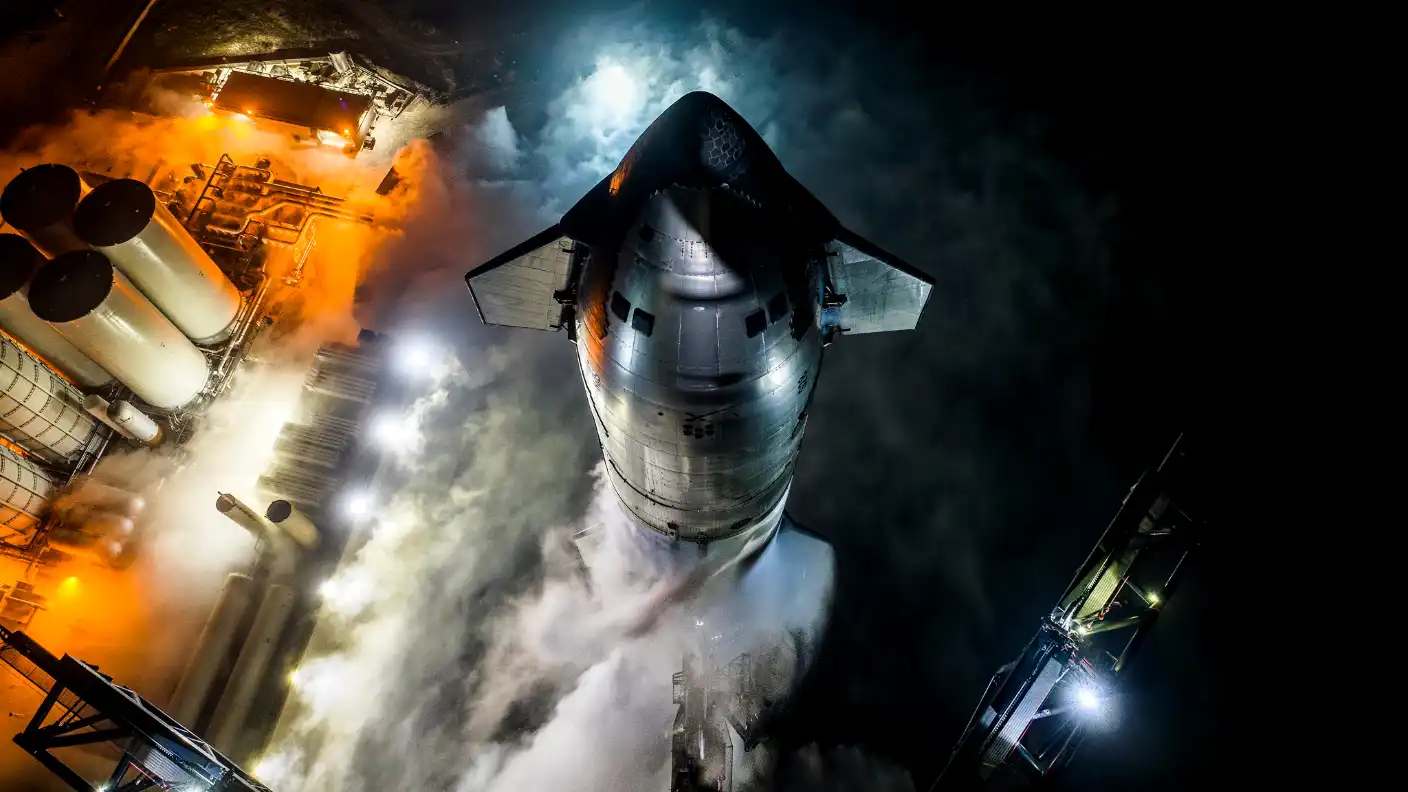
SpaceX introduced the third generation of its massive rocket system on Tuesday. The space company officially revealed the Starship V3 and the upgraded Super Heavy booster. This new hardware features extensive redesigns based on years of explosive flight testing and intense development. The rocket will take off from a brand new launch facility called Pad 2 at Starbase. Upgraded Raptor 3 engines will power the giant vehicle into the sky.
Engineers completely changed how the Super Heavy booster steers its way back to Earth. The booster now uses only three grid fins instead of four. However, each new fin is 50 percent larger and much stronger than the older versions. Designers moved these giant fins lower on the rocket to protect them from extreme heat during staging. They also moved the delicate steering motors and shafts directly inside the main fuel tank to keep them safe.
The separation process between the two rockets received a massive overhaul. SpaceX built an integrated hot stage to replace the old single-use protective ring. Now, the top dome of the booster fuel tank faces the upper engines directly when they ignite. A strong non-structural steel layer and internal tank pressure protect the dome from melting during this fiery process.
A massive new fuel transfer tube completely changes how the rocket feeds its engines. This giant pipe is roughly the size of an entire Falcon 9 first stage. The clever design allows the booster to start all 33 of its main engines simultaneously. It also helps the massive rocket flip over faster and more reliably as it falls back toward the launch pad.
The new Raptor 3 engines pack an incredible punch. The sea-level engines now produce 250 tons of thrust, which represents a solid jump from the older 230 tons. Meanwhile, the engines designed for the vacuum of space now push out 275 tons of thrust instead of 258 tons. Even with all this extra power, the engines actually weigh less. The team cut the engine weight from 1,630 kilograms down to 1,525 kilograms.
Removing heavy parts helps the rocket carry more cargo into space. Designers eliminated the bulky metal shrouds that once covered each engine. Now, the sensors and controllers are safely hidden within the engine’s ASIC thermal protection. These smart design choices save about 1 ton of dead weight per engine on the rocket. The team also stripped away the old carbon dioxide fire suppression system to simplify the hardware.
The upper Starship vehicle features a brand new propulsion design. Engineers upgraded the flap system to use a single actuator with three motors instead of two separate actuators. This saves money and makes the flaps more reliable during the dangerous return flight. The company also improved the special dispenser mechanism that releases Starlink satellites, allowing the ship to deploy its payload much faster.
SpaceX designed this version of Starship for long trips in deep space. The ship features 4 docking drogues on its side so it can link up with other Starships in orbit. New precision sensors will measure exactly how much fuel remains while the craft floats in microgravity. This technology allows ships to transfer liquid fuel to one another before flying to the Moon or Mars.
The rocket’s electrical brains took a huge leap forward. The entire vehicle uses about 60 custom computer units that integrate battery management and power distribution. Together, these systems deliver around 9 megawatts of peak electrical power. Upgraded cameras will broadcast 50 different views of the rocket during flight. A high-speed Starlink internet connection pushing 480 megabits per second guarantees a clear video feed for fans watching at home.
The upcoming Flight 12 mission will mark a historic first. The rocket will finally launch from Pad 2 at the Texas facility. Workers upgraded the local propellant farm to hold much more liquid fuel and added powerful pumps. These changes allow the ground crew to fill the giant rocket much faster before a launch.
The giant launch tower also received important upgrades. The massive mechanical arms, known as chopsticks, are now shorter and move much faster. These arms catch the falling rocket out of the sky, so speed and precision mean everything. SpaceX swapped the old hydraulic-driven components for modern electromechanical motors to make the arms stronger and more reliable.
Engineers completely redesigned the launch mount base and hold-down clamps. A bidirectional flame diverter now sits under the rocket to push the explosive fire away from the metal tower. This new setup stops the concrete and steel from melting during liftoff. SpaceX wants to launch rockets without spending weeks fixing a broken launch pad every single time.