Key Points:
- IEA Executive Director Fatih Birol told Euronews that the European Union must fully embrace electrification to preserve its global industrial competitiveness.
- Homegrown renewables saved the EU €51 billion in fossil fuel import costs in 2025, as wind and solar output exceeded fossil fuel output for the first time.
- France is pioneering the transition, aiming to cut its reliance on fossil fuels from 60% of total energy consumption to 30% by 2035, using its nuclear fleet.
- Experts warn that expanding power generation is not enough; the EU must rapidly upgrade its outdated energy grids and invest in battery storage.
The global energy landscape is undergoing its most rapid transformation in a century, forcing European policymakers to make a definitive choice about their industrial future. Speaking in an interview with Euronews on May 28, 2026, International Energy Agency (IEA) Executive Director Fatih Birol delivered a blunt message to Brussels. He warned that the European Union must aggressively transition its economy away from fossil fuels and fully embrace what he calls the “Age of Electricity.” According to Birol, accelerating the transition to electricity-powered transport, heating, and manufacturing represents the single most effective tool to restore Europe’s lagging industrial competitiveness and protect its businesses from volatile global energy markets.
This strategic push for electrification is no longer just an environmental goal; it has become a matter of survival for the European single market. For the last three years, European manufacturers have struggled with high operating costs, putting them at a severe disadvantage relative to rivals in North America and Asia. Birol argued that “electrification is the answer to save Europe’s industry,” explaining that localized, clean power can provide the cheap, stable energy that heavy industries need to thrive. By replacing expensive, imported fossil fuels with domestic electricity, Europe can insulate its corporate sector from geopolitical shocks.
The financial and security benefits of this transition are already highly visible across the continent. In 2025, homegrown wind and solar power achieved a historic milestone by producing more electricity in the EU than fossil fuels for the first time. This clean energy surge saved the bloc a massive €51 billion in fossil fuel import costs, demonstrating how closely clean technology aligns with regional energy security. Generating electricity domestically allows the EU to reduce its vulnerability to supply disruptions, shielding consumer pocketbooks and corporate balance sheets from the extreme price spikes that historically accompanied overseas energy crises.
The urgency of this electrification push is accelerating as Europe systematically cuts its remaining ties to Russian energy. The European Union is currently implementing a legally binding ban to completely phase out Russian liquefied natural gas (LNG) imports by the end of 2026, followed by a total ban on Russian pipeline gas by autumn 2027. Compounding these supply challenges, production in Norway—which supplied over 33% of the EU’s natural gas last year—is projected to start declining before the end of the decade. With traditional supply lines drying up, building out a highly integrated, electricity-driven economy is the only way to prevent severe, long-term energy shortages.
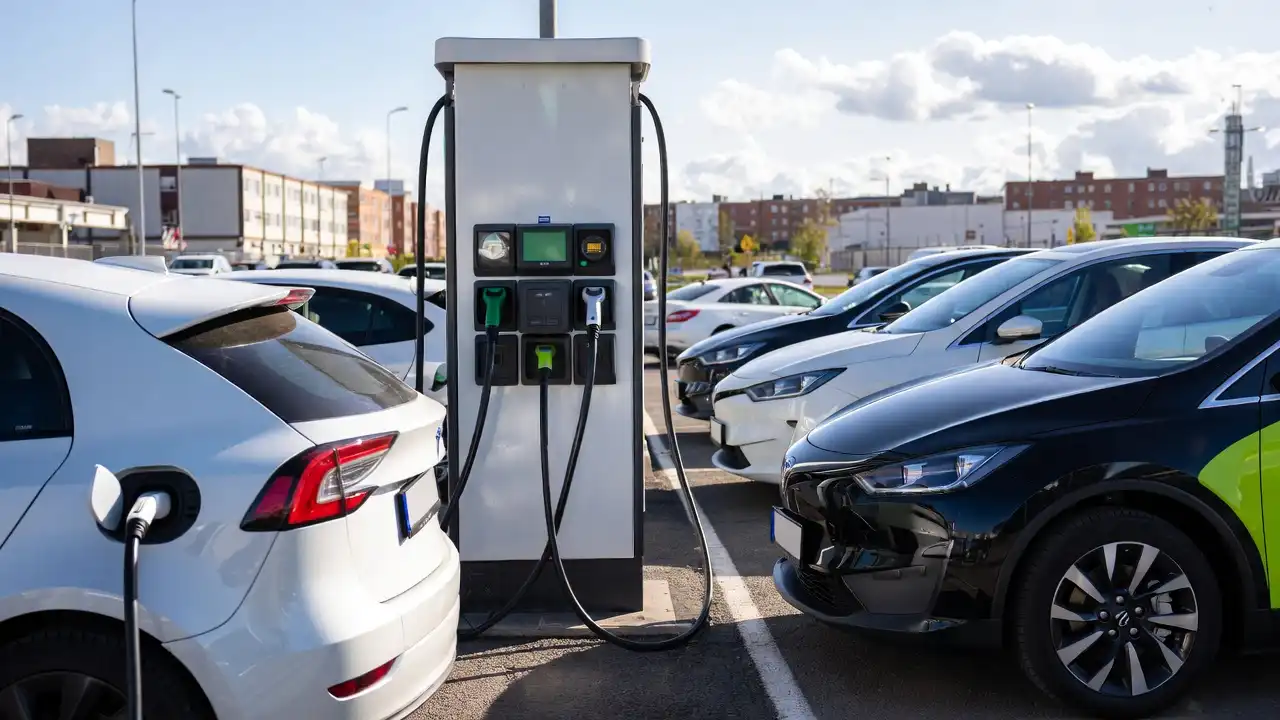
France has emerged as one of the strongest and most active advocates of this domestic electrification strategy. Benefiting from its massive fleet of 57 operational nuclear reactors, which provide highly stable baseload electricity, the French government recently unveiled a comprehensive plan to slash its reliance on fossil fuels. Under the initiative, French President Emmanuel Macron aims to cut the country’s fossil fuel consumption from nearly 60% of total energy use today down to just 30% by 2035. France plans to achieve this goal by funding large-scale electric-vehicle manufacturing hubs, constructing hundreds of thousands of public charging stations, and providing direct subsidies to help lower-income families install energy-efficient heat pumps.
This structural momentum is already showing up in retail market trends across the continent during the first half of 2026. European electric vehicle sales increased by 30% in early 2026, while residential heat-pump sales climbed by 17%. Germany, in particular, has seen a massive consumer shift toward clean heating technology, with heat pump sales officially surpassing gas boiler sales for the first time in the country’s history. These figures prove that when governments align regulatory incentives with stable, clean utility pricing, businesses and consumers will rapidly transition away from legacy fossil-fuel technologies.
However, the rapid rise of clean energy is also exposing the physical limitations of Europe’s outdated electrical infrastructure. During the first major heatwave of the season on June 1, 2026, record-breaking sunny skies across France and the United Kingdom drove an unprecedented surge in solar power output. This sudden supply spike actually pushed wholesale electricity prices into negative territory in several regional markets, as generation vastly exceeded real-time demand. While negative prices may seem beneficial, they highlight a systemic failure: without adequate storage and grid capacity, operators must pay industrial consumers to absorb the excess power or simply waste the clean energy.
To solve this infrastructure bottleneck, energy leaders are calling for massive investments in energy storage. Greg Jackson, the Chief Executive Officer of Octopus Energy, recently urged European regulators to reform market structures and make cheaper peak-generation pricing permanent. Jackson argued that allowing consumers to benefit directly from negative pricing would encourage households to invest in smart-home electrification. Nevertheless, storing this power remains the ultimate challenge. While the EU installed a record 27.1 gigawatt-hours of new battery energy storage systems (BESS) last year, grid operators must significantly expand this capacity to prevent high-velocity solar surges from destabilizing the transmission network.
Ultimately, the global transition toward electricity-dominated energy systems is moving at a speed that traditional utility planners cannot ignore. According to the IEA’s latest energy technology outlook, global energy investments will rise by roughly 1.5% to hit a staggering $3.4 trillion in 2026, with electricity-related projects now accounting for nearly 60% of that total. As the United States and China pour billions into building out their own clean energy supply chains, the European Union must accelerate its grid modernizations to keep pace. For Europe, the “Age of Electricity” is no longer a distant green dream; it is the fundamental foundation of its future industrial sovereignty.