A deep strategic division is opening inside the halls of Brussels. Faced with the daunting challenge of balancing its aggressive climate goals with raw industrial survival, the European Union has arrived at a critical turning point. Member states are convening to discuss the potential unintended consequences of the bloc’s landmark methane emissions regulations on its long-term energy security. As the phased implementation deadlines for these rules draw near, gas-dependent nations are raising urgent alarms that strict environmental import standards could trigger a severe supply crisis, spike energy prices, and strain relations with key global allies.
The controversy centers on Regulation (EU) 2024/1787, a sweeping piece of environmental legislation designed to curb methane emissions across the energy sector. Methane is a highly potent greenhouse gas, holding a warming potential roughly 80 times greater than carbon dioxide over a 20-year timescale, making it a primary target for European climate planners. However, because the European Union imports more than 80 percent of its natural gas and 90 percent of its crude oil, extending these strict emission limits to foreign suppliers has created an immense logistical and geopolitical headache.
If international exporters cannot or will not comply with Europe’s highly demanding monitoring, reporting, and verification standards, those energy flows could face steep financial penalties or outright import bans. With the memory of the 2022 energy crisis still fresh, some member states worry that the European Union is constructing a regulatory chokepoint that could leave the continent cold during the upcoming winter seasons, forcing a difficult debate over whether environmental idealism is outrunning practical infrastructure realities.
Inside the EU Methane Regulation: The Clock is Ticking
The European Union Methane Regulation represents one of the most ambitious environmental laws ever drafted. It places strict, legally binding obligations on oil, gas, and coal operators to detect and repair methane leaks, halt routine venting and flaring, and submit to independent, third-party audits. While these rules initially applied only to domestic energy production within Europe, the law features a highly controversial “import standard” designed to force the rest of the world to clean up its energy extraction processes.
The implementation timeline is structured as a phased rollout, giving global markets a brief window to adapt. In the current phase, foreign exporters shipping fossil fuels to Europe must begin submitting detailed data regarding their upstream methane emissions, establishing a standardized baseline.
The real pressure point arrives in the coming years, when the European Union will begin enforcing strict methane intensity limits on all imported fossil fuels. If an exporter’s gas exceeds the maximum allowed methane threshold, the cargo will face significant financial levies, or in extreme cases, be legally barred from unloading at European import terminals.
The Looming Methane Import Standard and 2030 Limits
The ultimate goal of the regulation is to establish a strict global standard by 2030, forcing international oil and gas producers to align their operations with European standards if they want access to the wealthy European market. To enforce this, the European Commission is establishing a global methane emitter monitoring tool and a rapid-alert system to track super-emitting events from space using advanced satellite networks.
For global exporters, complying with these rules requires a massive, expensive overhaul of their upstream infrastructure. Companies must purchase advanced leak detection systems, install optical gas imaging cameras, and replace legacy pneumatic controllers that slowly bleed methane into the atmosphere.
For developing nations that rely on energy exports to fund their national budgets, the capital expenditures required to achieve compliance are extraordinarily high, raising concerns that some suppliers will choose to bypass Europe entirely and sell their gas to less regulated markets in Asia.
Disparities in Global Methane Monitoring and Reporting
One of the primary friction points discussed by member states is the massive disparity in how different countries track and report their emissions. The European Union has established a rigorous, five-tier reporting framework that requires direct, physical measurements at the source, verified by accredited independent bodies.
This level of precision is virtually non-existent in many of the world’s primary energy-producing regions. While U.S. shale producers in the Permian Basin have access to advanced drone and satellite monitoring technologies, state-owned energy companies in North Africa and the Middle East often rely on outdated, generic emission factors to estimate their leaks.
Forcing these developing exporters to implement European-grade monitoring systems within a few short years is a monumental task. If the European Union refuses to accept estimated or lower-tier data when the reporting deadlines arrive, major import pipelines could face immediate legal disruptions, cutting off vital energy supplies to southern and eastern Europe.
The Delicate Balance Between Climate Ambition and Fossil Fuel Imports
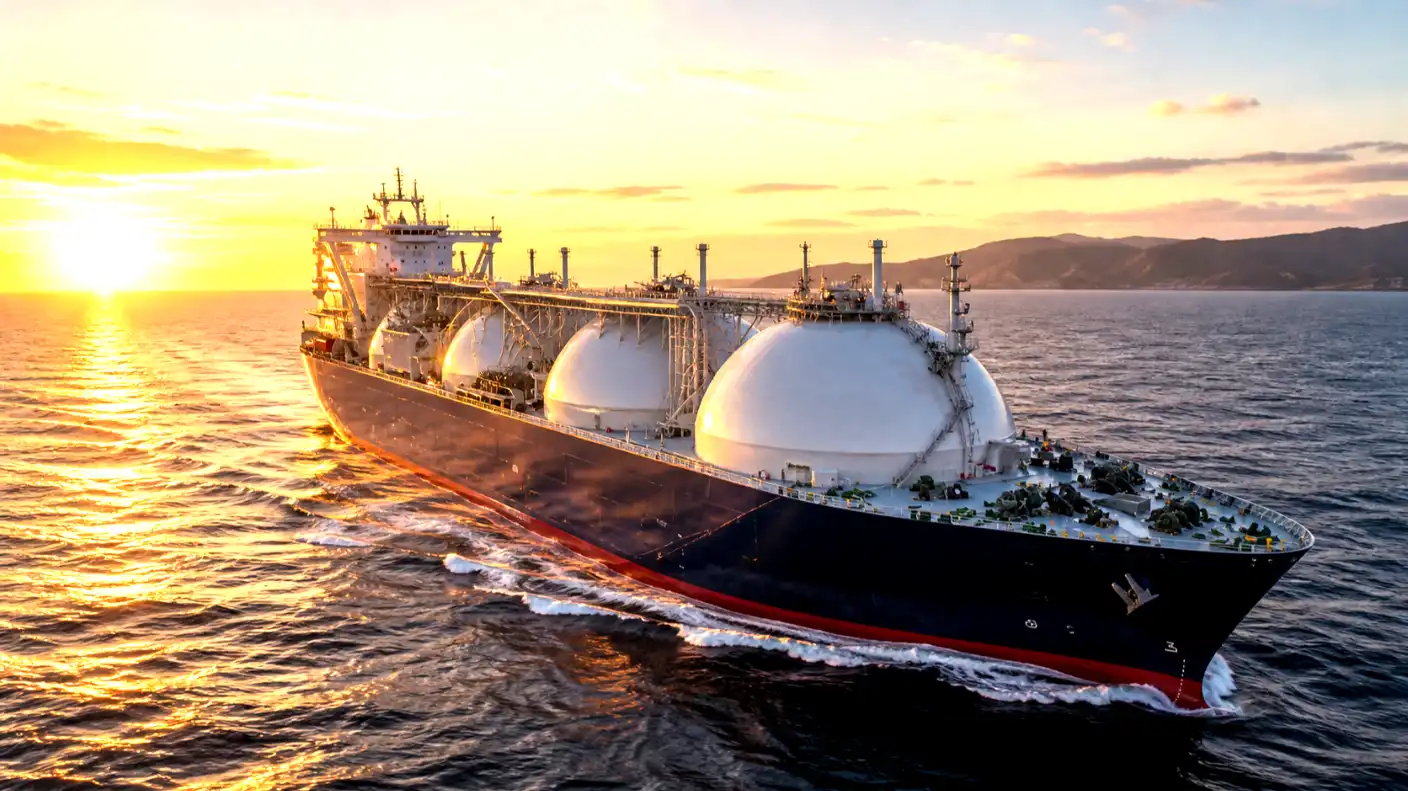
The timing of this regulatory clampdown is particularly sensitive given the permanent structural changes that have occurred in the European energy mix. Following the 2022 invasion of Ukraine, Europe systematically dismantled its decades-long reliance on cheap Russian pipeline gas. To replace those lost volumes, the continent underwent a rapid, expensive transition to Liquefied Natural Gas (LNG), constructed numerous floating regasification terminals, and signed long-term supply contracts with alternative global producers.
This transition solved the immediate energy crisis, but it also left Europe highly dependent on international maritime trade. The United States has emerged as Europe’s primary energy savior, currently supplying over 45 percent of the bloc’s total LNG imports.
Qatar, Algeria, and Norway round out the remaining major suppliers. Because these nations now hold the keys to Europe’s industrial survival, imposing unilateral, restrictive environmental regulations on their products is a highly risky diplomatic strategy.
The Post-Russian Pipeline Energy Reality
Europe’s modern energy security is incredibly fragile, operating on a just-in-time logistics model. Unlike pipeline gas, which flows continuously under long-term, state-to-state contracts, LNG is highly mobile.
A cargo of LNG loaded in Texas or Qatar can easily change its destination mid-voyage if a buyer in Japan, China, or South Korea offers a slightly higher price.
If the European Union imposes heavy administrative burdens, strict auditing requirements, and the threat of financial penalties on LNG imports, it will make the European market significantly less attractive to international traders.
In a tight global market, sellers will simply redirect their vessels to Asian ports where they can unload their cargo with zero regulatory friction, leaving Europe to face sudden, artificial supply shortages.
The Threat of Supply Shocks and Volatile Prices
The financial consequences of a supply disruption would be catastrophic for the European economy. During the peak of the 2022 crisis, European natural gas prices surged to record highs, forcing energy-intensive industries like chemical manufacturing, steelmaking, and fertilizer production to shut down their operations.
While prices have since normalized, European industrial electricity costs remain roughly three times higher than those in North America, severely damaging the continent’s industrial competitiveness.
If the implementation of the methane rules triggers even a minor supply contraction, it will reignite extreme price volatility, driving up utility bills for everyday consumers and fueling public anger.
Member states like Hungary, Slovakia, and Italy, which remain highly dependent on imported gas, are warning that the European Commission must establish flexible waiver mechanisms and emergency exemptions to ensure that environmental policies do not accidentally trigger a winter energy emergency.
Geopolitical Friction: The Clash of International Regulatory Standards
The extraterritorial reach of the European Union’s methane rules has triggered significant diplomatic pushback from major energy-exporting nations, who view the regulations as a unilateral form of green protectionism. The United States, despite having its own domestic methane reduction programs, has expressed concern that the EU’s specific monitoring and reporting requirements could conflict with American regulatory frameworks, creating an expensive, duplicative burden for U.S. exporters.
The situation is even more tense in North Africa. Algeria has emerged as a critical pipeline gas supplier to Italy and Spain, helping southern Europe diversify away from Russian energy. However, Algeria’s state-owned energy infrastructure suffers from historically high flaring and venting rates, and the country lacks the capital and technology to rapidly upgrade its facilities to comply with EU rules.
If Brussels attempts to penalize Algerian gas, it risks destabilizing a vital geopolitical partnership and forcing Algiers to seek closer economic ties with rival global powers, illustrating how environmental regulations can have far-reaching, unintended foreign policy consequences.
The Challenge of Regulating the Global Commons
The European Union’s attempt to regulate global methane emissions highlights the extreme difficulty of enforcing environmental standards outside a nation’s own borders. While the EU can easily fine domestic chemical plants or solar manufacturers for violating local laws, it possesses no legal jurisdiction over oilfields in Texas, gas wells in Algeria, or coal mines in Australia.
By using market access as a weapon, the EU is attempting to force global compliance. However, this strategy only works if the EU remains the most attractive market for these products.
As emerging economies across Asia continue to grow, their demand for fossil fuels is projected to rise significantly over the next two decades.
If global energy producers conclude that complying with the EU’s complex, high-cost methane rules is too difficult, they will simply redirect their future production to Asian markets, leaving Europe isolated and struggling to secure the energy necessary to run its factories and heat its homes.
The Risk of Retaliatory Trade Barriers
The unilateral imposition of methane tariffs could also trigger a dangerous wave of retaliatory trade barriers, destabilizing international commerce. Major energy exporters have warned that if Europe begins taxing their energy exports under the guise of methane intensity limits, they will respond by imposing retaliatory duties on European industrial exports, such as automobiles, machinery, and pharmaceuticals.
This retaliatory spiral would hit the European economy right as it struggles to recover from years of stagnant growth.
The International Monetary Fund has repeatedly warned that global trade fragmentation is a major threat to international prosperity. By acting as a unilateral environmental regulator, the European Union risks accelerating this fragmentation, transforming a well-intentioned climate policy into a dangerous trade war that harms both European businesses and consumers.
Strategic Alternatives: Adapting the Infrastructure for Compliance
Recognizing the immense risks of the upcoming deadlines, technology providers and forward-thinking energy companies are rushing to develop advanced solutions to help global supply chains achieve compliance. The market for methane detection, monitoring, and abatement technology is experiencing unprecedented growth, driven almost entirely by the European Union’s regulatory push.
To help foreign exporters meet the strict MRV standards, technology firms are deploying advanced satellite networks designed specifically to locate and measure methane leaks from orbit. Projects like MethaneSAT, a specialized satellite launched recently, can track emissions with extreme precision, pinpointing individual leaks at remote oil and gas facilities worldwide.
By providing public, undeniable data on global emissions, these space-based platforms make it impossible for energy companies to hide their leaks, forcing them to invest in abatement technology to protect their access to the European market.
The Move Toward Verified Low-Emission Gas Certificates
The financial sector is also adapting, launching specialized, verified low-emission gas certificates to help traders navigate the new regulatory landscape. These certificates utilize blockchain technology and independent, third-party audits to track a specific cargo of LNG from the wellhead to the import terminal, verifying that the gas was produced with a methane intensity well below the EU’s maximum allowed threshold.
For utilities in Germany or France, buying these certified cargoes provides absolute regulatory security, ensuring they will not face unexpected fines or legal challenges when the gas arrives at European ports.
However, these specialized certified cargoes command a significant “green premium” in the market, raising the overall cost of energy for the end consumer and proving that environmental compliance remains an expensive endeavor that ultimately impacts household budgets.
The Necessity of Flexible Regulatory Waivers
As the debate inside Brussels intensifies, energy analysts are urging the European Commission to adopt a pragmatic, flexible approach to enforcement. While maintaining the long-term goal of reducing global methane emissions, regulators must establish clear, easily accessible waiver mechanisms to protect national security during times of market stress.
If a severe winter freeze or a sudden geopolitical conflict triggers a global energy shortage, the European Union must have the legal authority to temporarily suspend its methane import limits to ensure that gas continues to flow.
Failing to build this flexibility into the law could result in self-inflicted economic damage, forcing European factories to shut down and leaving citizens without heat simply because a cargo of LNG exceeded an arbitrary emission threshold by a fraction of a percent.
The unfolding debate over the European Union’s methane rules represents a classic, defining challenge of the modern era. Decarbonizing the global economy is an absolute, non-negotiable necessity to prevent catastrophic climate change, but executing this transition requires incredible pragmatism, careful geopolitical diplomacy, and a deep respect for the physical realities of energy infrastructure.
As EU member states continue their tense negotiations, they must find a way to reconcile their bold climate ambitions with the immediate, everyday requirement of keeping the lights on. The choices made in Brussels over the coming months will determine whether Europe can successfully lead the world toward a cleaner, safer digital future, or if its aggressive regulatory push will instead trigger a self-inflicted energy crisis that severely damages its own economic and industrial survival.