Key Points:
- xAI has released Grok 4.5, a new generation of artificial intelligence optimized specifically for advanced coding and agentic workflows.
- The model features “autonomous execution” capabilities, allowing it to navigate software environments, fix bugs, and deploy code without human guidance.
- The system is backed by the massive computational power of SpaceX’s data centers, enabling training speeds that are 20% faster than previous versions.
- This release targets the enterprise software market, with the company aiming to capture over $1 billion in annual service contracts from developers and tech-heavy firms.
The artificial intelligence landscape has reached a new milestone as xAI officially releases Grok 4.5. This latest iteration is not just a standard upgrade; it is a specialized, “agentic” powerhouse built with a singular focus on complex software engineering and autonomous task execution. By tightly integrating Grok’s reasoning engine with the immense computational resources of the SpaceX data infrastructure, the company has created an AI that can write, test, debug, and deploy entire software systems with minimal human intervention. This release signals a shift from passive “chatting” to active “doing,” as the model demonstrates the ability to act as a fully autonomous software engineer.
For the developer community, Grok 4.5 represents a departure from the “AI assistant” model. While previous tools were limited to suggesting code snippets or identifying syntax errors, this new agentic system functions more like a digital colleague. It can be given a high-level project goal—such as “build a secure user authentication system with multi-factor support”—and it will autonomously write the back-end logic, set up the database schemas, and create the necessary front-end API endpoints. This leap in capability is facilitated by the model’s deep integration into standard development workflows, where it can monitor logs, react to crashes, and propose fixes in real-time.
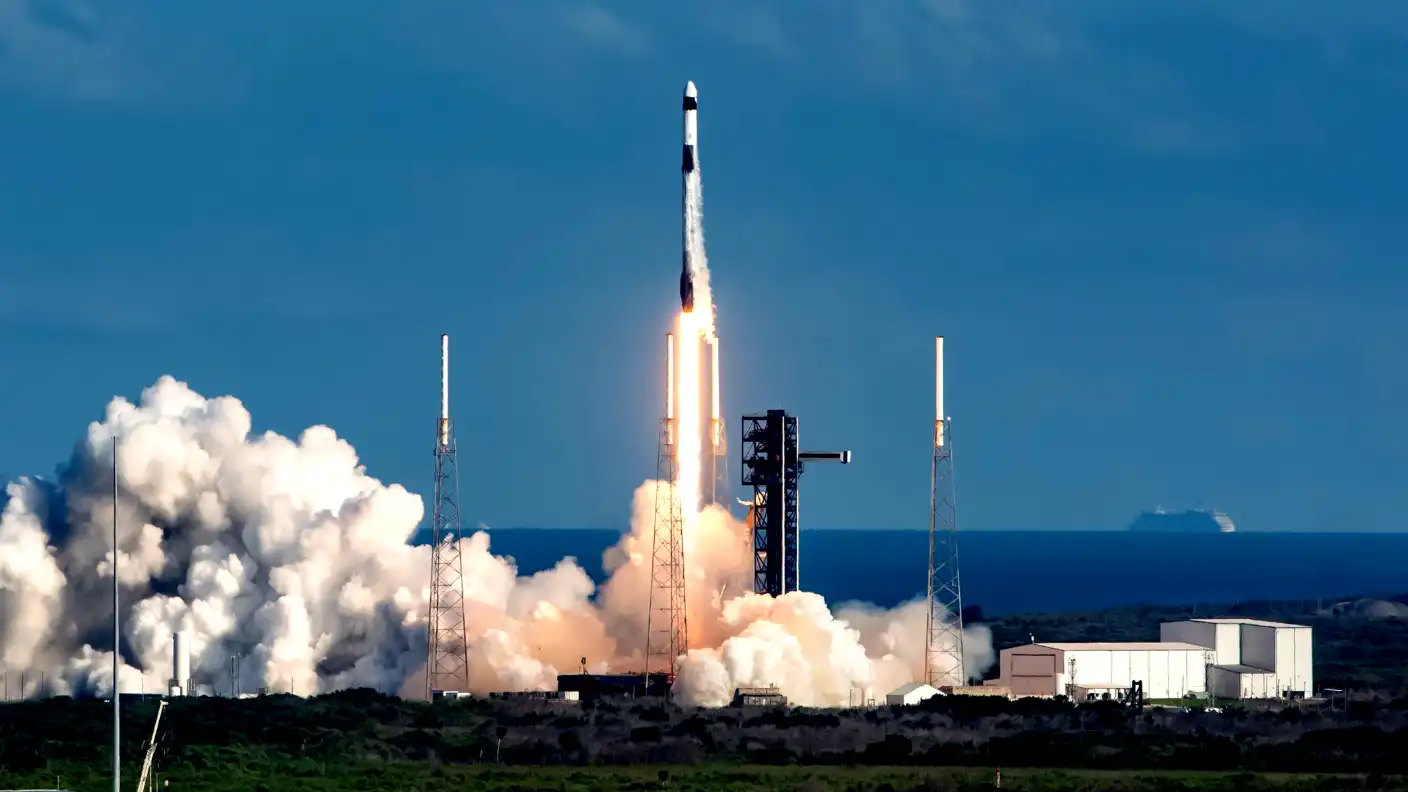
The integration with SpaceX’s computational grid provides Grok 4.5 with a massive performance advantage. By utilizing thousands of H100 and B200-class GPUs across dedicated aerospace-grade data centers, the model can perform complex code simulations at speeds that were previously unreachable. This hardware synergy is critical. Advanced software engineering requires running extensive tests to ensure that every change is secure and stable. Grok 4.5 can spin up these “sandbox” environments, run tests, and report back the results in seconds, turning what used to be an overnight process into a near-instantaneous task.
The business implications for enterprise software development are profound. Large corporations often struggle with “technical debt”—a buildup of old, unoptimized code that makes systems slow and prone to security breaches. Grok 4.5 is specifically tuned to scan large, legacy codebases and suggest refactoring strategies to modernize them. For a bank or a logistics giant, this could mean reducing the maintenance burden of their software by 25% or more. This type of efficiency gain is exactly what CTOs are looking for in the current economic climate, where every dollar spent on R&D needs to produce a tangible, measurable result.
Security remains a primary focus of the new model. The company has implemented a “hardened” version of Grok 4.5 specifically for sensitive government and enterprise work. This version includes air-gapped training, meaning the model never accesses or sends data to the public internet during the audit phase, protecting proprietary codebases from potential leakage. In an era where AI-driven cyber-attacks are becoming more common, having an AI that can proactively defend a codebase by finding and patching vulnerabilities before they are exploited is a major selling point for corporate clients.
The agentic capabilities of the model also extend into infrastructure management. Grok 4.5 can be connected to cloud platforms to monitor resource usage and suggest automated scaling policies. If a sudden surge in traffic hits a server, the AI can independently reallocate memory, scale up database instances, and optimize network paths to handle the load. This moves the role of the “DevOps engineer” from manual configuration to oversight and strategy. By handling the rote tasks of system maintenance, the AI ensures that digital infrastructure remains optimized and cost-efficient at all times.
Critics and developers alike will inevitably raise questions about the long-term impact on the job market. If an AI can perform the functions of a junior or mid-level developer, what does that mean for the next generation of software engineers? xAI leadership argues that these tools will act as a “force multiplier,” allowing engineers to work on more ambitious, high-level architecture instead of being bogged down by repetitive coding tasks. The intent is to remove the friction from the creative process, enabling humanity to build the “next 100 years of software” in a fraction of the time.
The launch of Grok 4.5 is also a shot across the bow of the broader AI industry. By focusing on the agentic-coding niche, xAI is positioning itself to be more than just a search competitor to the likes of Google or OpenAI. It is aiming to become the indispensable software engineer of the digital age. With a massive investment in compute and a direct line to the most challenging engineering tasks at SpaceX, the platform is gaining the kind of “real-world training data” that other research labs simply do not have access to. Every hour of drone flight data, satellite telemetry, and rocket-building code that Grok 4.5 audits makes the model incrementally smarter at handling complex, mission-critical tasks.
As organizations prepare to integrate Grok 4.5, the shift toward agentic AI will likely move from an experimental concept to a standard enterprise practice. The ability to deploy autonomous code agents will fundamentally change how software is created, managed, and secured. We are witnessing the end of software as a static, human-only product, and the start of software as a dynamic, AI-maintained organism. For the developers who learn to work alongside these agents, the next decade of innovation will be defined by an unprecedented surge in productivity, creativity, and complexity. The code is only the beginning.