Key Points:
- Macquarie Technology Group has exercised a $240 million option to acquire a 3.4-hectare development site in Sydney’s Macquarie Park.
- The land purchase paves the way for a massive 200MW data centre campus optimized for high-density AI and cloud workloads.
- The project represents a key milestone in a broader $3 billion digital infrastructure and engineering campus expansion.
- The site features advanced direct-to-chip liquid cooling, a partnership with Macquarie University, and a local community park.
A major step forward has unfolded for Sydney’s burgeoning digital economy with the confirmation of a multi-billion-dollar infrastructure expansion. An Australian technology company has exercised its option to purchase a substantial parcel of land in Macquarie Park, Sydney, for $240 million. This high-profile land acquisition paves the way for a massive engineering and technology campus centred on a proposed 200-megawatt (200MW) data centre. The project represents a critical anchor in a broader $3 billion (AUD 3 billion) digital infrastructure expansion designed to capture the skyrocketing global demand for artificial intelligence (AI) and cloud-computing workloads.
The $240 million purchase—funded through a combination of existing cash reserves and corporate debt facilities—covers a roughly 3.4-hectare (34,200 square meters) light industrial site. The strategic plot sits nestled between Talavera Road and the M2 motorway in Sydney’s highly connected North Zone. With settlement expected to finalize over the coming weeks, the transaction represents one of the largest land investments in the precinct’s history, solidifying the area’s status as a major fiber connectivity hub for global hyperscalers.
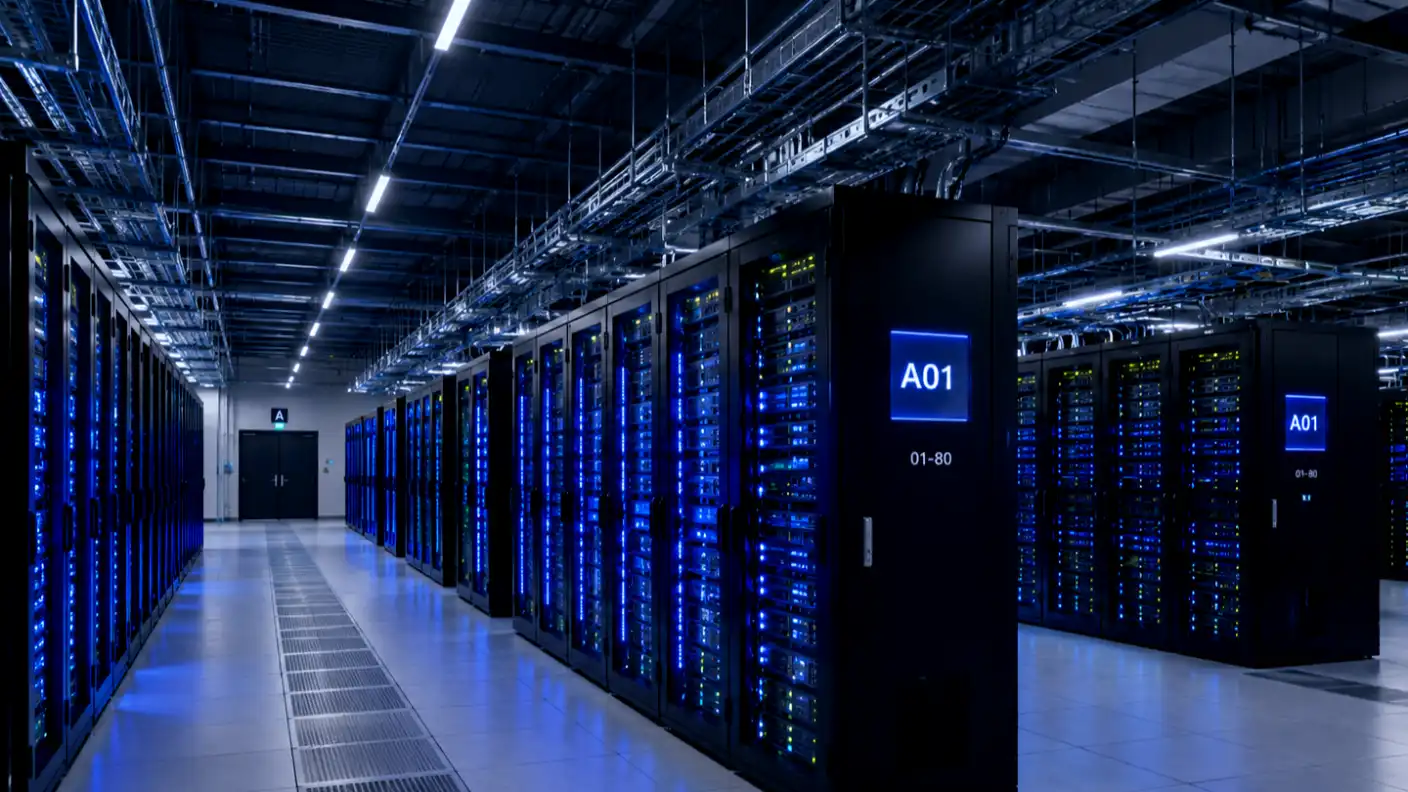
The planned 200MW facility incorporates advanced engineering solutions specifically optimized to support high-density AI deployments. Unlike traditional data centres that rely solely on massive, energy-intensive air cooling systems, this next-generation campus will feature direct-to-chip liquid cooling technology alongside advanced air-cooled infrastructure. By extracting heat directly from the processing silicon, liquid cooling significantly reduces energy consumption and improves computing efficiency, allowing the facility to host the most powerful AI GPUs on the market.
Beyond housing massive rows of server racks, the development plans include substantial long-term benefits for local residents. The company will dedicate more than an acre of the newly purchased land to construct an intergenerational community park. Designed for the residents of the City of Ryde, the green space will offer a recreational oasis adjacent to the high-tech campus, representing a progressive effort to integrate heavy industrial digital infrastructure with local community and environmental needs.
The project also establishes a direct educational and research bridge through a newly announced partnership with Macquarie University. The proposed technology campus will weave research and academic development directly into the site’s daily operations, giving local students and researchers hands-on, practical access to cutting-edge technologies. Academics will collaborate on-site, using the facility to study advanced data centre operations, cybersecurity protocols, and cloud-computing architectures, helping to train the next generation of high-tech professionals.
Operating a 200MW computing facility requires a massive focus on environmental sustainability, particularly regarding water and power consumption. The design team has integrated advanced, energy-efficient water-saving systems into the primary heat rejection loop. By utilizing closed-loop water recycling and advanced air-based cooling technologies, the facility aims to minimize its overall environmental footprint. These measures directly address growing community and municipal concerns regarding the high water and electricity usage of hyperscale computing facilities.
The development timeline outlines a multi-stage construction plan to match the evolving needs of hyperscale customers. While the final engineering designs remain subject to planning and power approvals, initial site preparation is scheduled to begin shortly after the land settlement finishes. The project developers are targeting the completion of the first phase of the technology campus in late 2029. This staggered rollout ensures that the company can scale up its active capacity progressively as global demand for AI processing continues to climb.
This massive Sydney expansion fits into an unprecedented, nationwide digital infrastructure boom that analysts predict will rival the historic resources super cycles of past decades. Rapidly growing demand from global tech giants, the emergence of local AI workloads, and public sector computing requirements have unleashed a massive wave of capital into the sector. Industry forecasts suggest that Australia is poised for a $300 billion data centre construction boom over the next decade, with proposed pipelines aiming to deliver up to 20 gigawatts of new computing capacity across major metropolitan areas.
The immense scale of this $3 billion expansion has also prompted a strategic review of the company’s financial structure. While the initial land acquisition and early-stage construction are funded through standard cash reserves and debt, the long-term capital requirements for the full gigawatt-scale buildout will likely require alternative financing. Executive leadership has initiated a review of capital recycling options, including exploring potential joint-venture partnerships with global infrastructure funds to accelerate development without overstretching the firm’s balance sheet.
Ultimately, the successful execution of the $240 million land option represents a defining milestone for Sydney’s position in the global AI race. By coupling its massive 200MW capacity with advanced liquid cooling, academic collaboration, and local community benefits, the new Macquarie Park campus establishes a powerful model for future digital infrastructure. As construction progresses toward the late 2029 target, the success of this $3 billion expansion will demonstrate how metropolitan tech hubs can successfully balance high-density computing demands with environmental and social sustainability.