Key Points:
- SpaceX is preparing for the highly anticipated Starship Flight 13, representing its first launch since the landmark June 12 IPO.
- The mission will mark the operational debut of Starship, carrying a functional commercial payload of 20 Starlink V3 satellites for the first time.
- The launch follows the Federal Aviation Administration’s closure of the Flight 12 booster landing mishap investigation on July 13.
- The test flight carries immense financial stakes, as the stock has recently round-tripped back to its original $135 offering price.
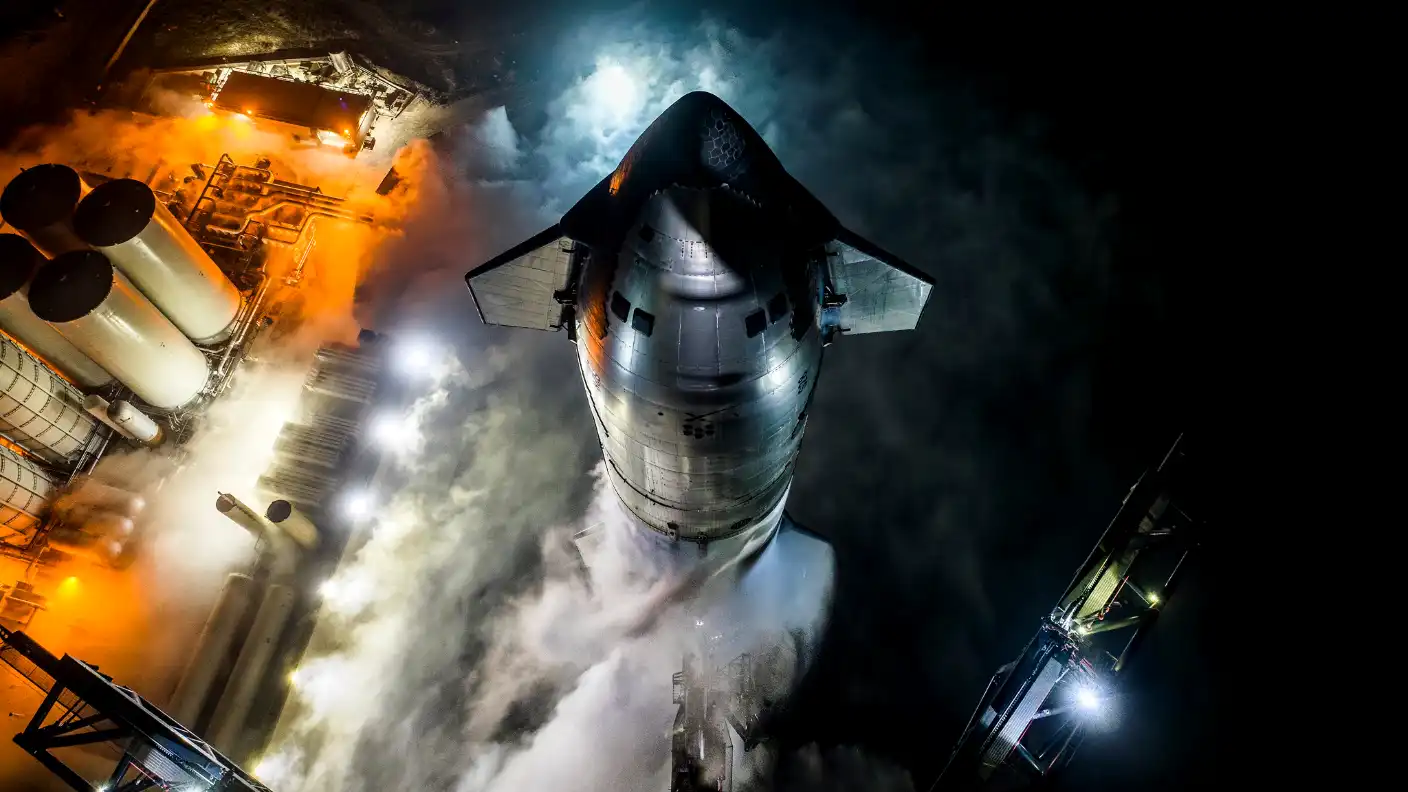
The world’s most powerful aerospace and artificial intelligence conglomerate is preparing to launch its massive megarocket in a highly anticipated test flight that carries unprecedented financial stakes. The upcoming SpaceX Starship Flight 13 Launch will mark the first time the 400-foot-tall, fully reusable rocket system takes to the skies since the company’s historic initial public offering (IPO) on June 12. As the company’s stock price continues to experience heavy post-debut volatility, this critical mission serves as a pivotal test of whether the aerospace giant can translate its grand space-based ambitions into routine operational success.
The high-stakes flight comes amid a challenging period for the newly public stock on Wall Street. After pricing its historic IPO at $135 and briefly soaring to an all-time high of $225.64 in mid-June, the stock recently round-tripped back to its original offering price, even dipping under $133 during recent trading sessions. Because only about 4% of the company’s shares are freely tradable on the Nasdaq exchange, this small public float has amplified both the initial parabolic rise and the subsequent brutal correction. The market is now focused on whether the rocket can achieve key milestones to justify the company’s premium valuation.
The upcoming launch follows a critical regulatory victory that cleared the final roadblock for the mission. The Federal Aviation Administration (FAA) officially closed its investigation into the booster landing mishap that occurred during the Flight 12 test on May 22. The regulatory agency’s final report cited two primary root causes for the loss of the Super Heavy booster: heat-related damage on critical propulsion components during ascent and incorrect engine alarm system settings that caused a series of false engine-out aborts. The aerospace firm has since implemented robust software and hardware corrections to resolve both issues, securing the necessary launch clearance.
Unlike previous developmental tests that carried dummy weights, Flight 13 represents the official operational debut of the megarocket. For the first time in the program’s history, the spacecraft will carry a live, functional commercial payload consisting of 20 next-generation third-generation (V3) Starlink satellites. This milestone represents a fundamental transition, shifting the massive vehicle from an expensive experimental prototype into an active, revenue-generating cargo transport. The deployment test aims to prove that the rocket can successfully support the rapid, high-volume expansion of the company’s global satellite internet network.
Because the upcoming mission will follow a suborbital trajectory, the 20 newly deployed satellites will not remain in permanent orbit. Instead, they will deploy from the spacecraft’s payload bay during the coast phase in space to test the functionality of the newly redesigned satellite dispenser door and high-capacity laser-link communication systems. Approximately 20 minutes after release, the satellites will re-enter the atmosphere alongside the Starship upper stage, burning up harmlessly over the Indian Ocean. This controlled burn-up ensures that the experimental test does not generate long-term space debris.
The mission will utilize the highly upgraded Version 3 (V3) configuration of the Starship vehicle, featuring larger propellant tanks, improved avionics, and a redesigned thermal protection system. Six of the 20 Starlink satellites on board have been outfitted with high-resolution cameras to monitor the condition of the spacecraft’s heatshield tiles during the intense friction of atmospheric re-entry. The engineering team has also strengthened the structures surrounding the three vacuum-optimized Raptor engines to handle flight vibrations better, addressing the minor engine-out issues that occurred during the May launch.
The overall flight profile will resemble the previous test, lasting just over one hour and five minutes from liftoff to splashdown. The massive Super Heavy booster will separate from the upper stage roughly two minutes into the flight and execute a boostback burn. However, the company will not attempt to catch the returning booster using the massive “chopstick” arms at Pad 2 at Starbase, Boca Chica, Texas, because of the significant design changes on the V3 vehicle. Instead, the booster will execute a landing burn and attempt a controlled splashdown at an offshore landing point in the Gulf of Mexico, which has been renamed the Gulf of America in recent U.S. regulatory filings.
The planned destruction of both rocket components in their respective oceans is a deliberate choice that reflects the company’s rapid-iteration development philosophy. Management has explicitly stated that it will not attempt to recover either the booster or the upper stage, meaning both components will explode upon ocean impact. This “fly, fail, fix” approach focuses on collecting millions of real-time data points under flight environments rather than investing massive resources in preserving early prototypes, allowing engineers to implement rapid modifications before constructing subsequent flight models.
This operational progress comes at a critical time as international competitors make significant strides. China’s successful sea-based recovery of a reusable rocket booster in early July proved that global rivals are rapidly closing the technological gap. Furthermore, the broader tech market is experiencing a significant deflation, putting pressure on private AI and space startups that are preparing for their own public listings. Successfully executing the Flight 13 mission is vital to proving to public investors that the company’s actual operational capabilities remain decades ahead of any potential global rivals.
Ultimately, the upcoming test flight of the world’s most powerful rocket marks a defining moment for the newly public aerospace giant. By transitioning the megarocket from a test vehicle into an active cargo carrier, the company is attempting to prove that its high-cost Mars and satellite ambitions rest on a highly profitable, sustainable foundation. As the 90-minute launch window opens at Starbase, the success of this multi-million-dollar suborbital flight will demonstrate whether the company can maintain its historic pace of innovation and defend its premium valuation in the public market.