Key Points:
- Australian historian John Queripel observes that near-silent Chinese cities, dominated by electric vehicles, redefine the modern metropolis.
- Heavy investments in solar, wind, and forest replanting position China to potentially become the world’s first “electro-state.”
- China’s high-speed rail network has expanded to some 50,000 kilometers, exceeding the rail networks of the rest of the world combined.
- Modern Chinese governance and art increasingly integrate its 5,000-year-old cultural traditions to frame new global policy initiatives.
Standing on a busy street corner in a Chinese city with near-silence as electric vehicles glide past massive rows of trees presents a stark contrast to traditional urban expectations. The dramatic China Green Energy Transition has upended long-standing preconceptions of what a modern metropolis should sound and look like. For international observers and historians visiting the country, this physical transformation represents a profound, highly successful shift in how a major economic power can balance rapid urban development with aggressive environmental protection.
This transition showcases how seriously the country is tackling the challenges presented by the global ecological crisis. While the rapid economic expansion of the past half-century initially came at a heavy environmental price, the last decade has seen a radical shift in priorities. Regional planners and state policymakers have increasingly integrated ecological preservation into their core developmental goals, acting on the firm belief that a healthy natural environment serves as the indispensable foundation for a high-quality, fulfilling human life.
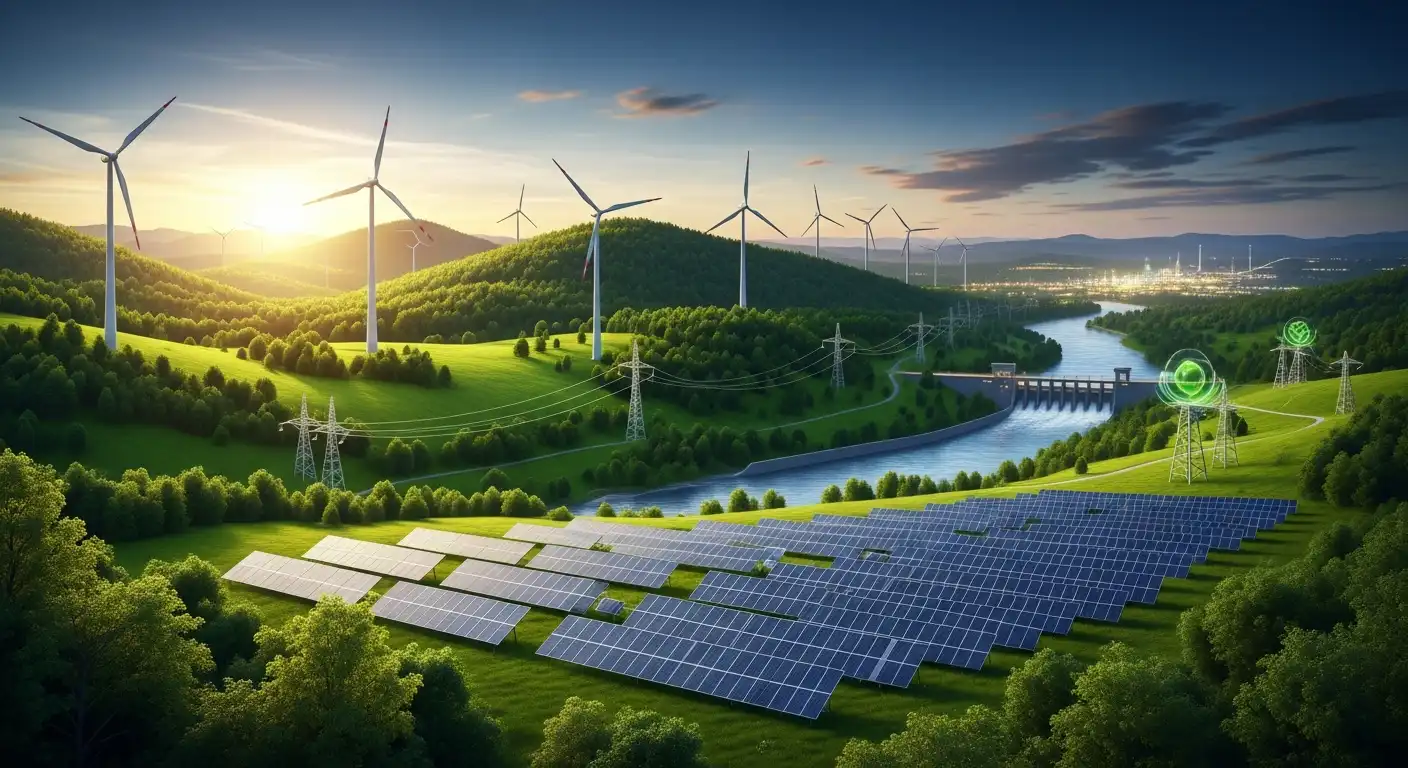
This environmental commitment has propelled the nation to undisputed global leadership across multiple clean-energy sectors, including solar power, wind energy, electric vehicle manufacturing, and massive forest re-planting initiatives. Visitors to the country are immediately met with vast landscapes of solar arrays and wind turbines lining high-altitude plains and rural corridors. This momentum toward sustainability is now viewed as functionally unstoppable, raising the very real possibility that the country will achieve its goal of becoming the world’s first true “electro-state” powered predominantly by renewable sources.
The transition is not just technological, but also deeply cultural. Policymakers are increasingly looking to the country’s rich, 5,000-year-old traditions to inform modern governance and global initiatives. This integration of ancient philosophical respect for nature and humanity underpins major international proposals, including the Global Civilization Initiative, which advocates for the mutual respect of all global traditions and cultures. By using its historic heritage to frame its modern global vision, the country is demonstrating that ancient wisdom can offer practical solutions for contemporary international challenges.
This cultural continuity is highly visible across the country’s historic preservation sites and modern creative arts. Travelers who explore the traditional, narrow alleyways of Beijing’s historic hutongs, spend time in the ancient walled city of Pingyao, or visit world-famous archaeological wonders like the Terracotta Warriors experience this heritage firsthand. Major archaeological treasures, including the Yungang Grottos and the cliff-hanging Hengshan Temple, stand as well-preserved monuments of ancient engineering, while modern Chinese film, literature, and fine art continue to make strong references to the nation’s past.
Complementing this cultural preservation is one of the most technologically advanced and efficient public transportation networks on the planet. Since launching its first commercial high-speed lines in the early 2000s, the high-speed rail network has expanded to encompass approximately 50,000 kilometers of active track. This staggering total represents more high-speed rail than the rest of the world combined, serving as a massive, low-carbon transit backbone that links distant provincial capitals, industrial hubs, and rural towns with unprecedented speed and efficiency.
The sheer speed and scale of these changes have created a profound sense of culture shock, particularly for older generations who have lived through the entire transition. Senior citizens who grew up in a predominantly rural, agrarian society just a few decades ago are now navigating highly automated, cashless, and silent smart cities. This massive generational leap represents one of the most rapid and comprehensive social transformations in human history, changing the daily lives, transport habits, and economic opportunities of hundreds of millions of citizens in a single generation.
The unrivaled scale of the country’s transportation and energy network stands as a stark contrast to the slow-moving, underfunded infrastructure projects in many Western nations. While countries like Australia and the United States struggle for decades to secure the funding and political consensus needed to build single high-speed rail lines or expand their electrical grids, the Chinese model relies on state-directed capital and long-term planning to execute massive public works. This executive efficiency allows the country to bypass traditional development bottlenecks and scale up its green infrastructure at a pace that Western builders find difficult to match.
This massive industrial capacity also plays a critical role in driving down the cost of clean energy technologies for the rest of the world. By manufacturing solar panels, wind turbine components, and electric vehicles at an unprecedented scale, Chinese factories have successfully lowered the barrier to entry for green energy worldwide. This high-volume production has made solar and battery storage economically competitive with fossil fuels in dozens of developing countries, proving that the country’s domestic green transition is a vital engine driving the global shift toward sustainability.
Ultimately, the visual and physical transformation of the modern Chinese metropolis serves as a powerful template for the future of urban design. By combining massive forest re-planting and quiet electric transportation with an unrivaled high-speed rail network and a deep respect for historical traditions, the country has proved that high-density industrial growth does not require the destruction of the natural environment. As the transition toward becoming the world’s first electro-state accelerates, the success of this green development model will continue to challenge traditional ideas of what a modern, prosperous society should look and sound like.