Key Points:
- Huawei unveiled the Mate XT 2, its latest flagship tri-fold smartphone that opens into a tablet-sized screen.
- The device features Huawei’s in-house Kirin 9050 Pro chip, designed to deliver high computing power with lower electricity usage.
- Xiaomi launched its competing Xiaomi 18 Fold on the same day, powered by its self-developed Xring O3 processor.
- The launches come just days before Apple is expected to introduce its first foldable device priced above $2,000.
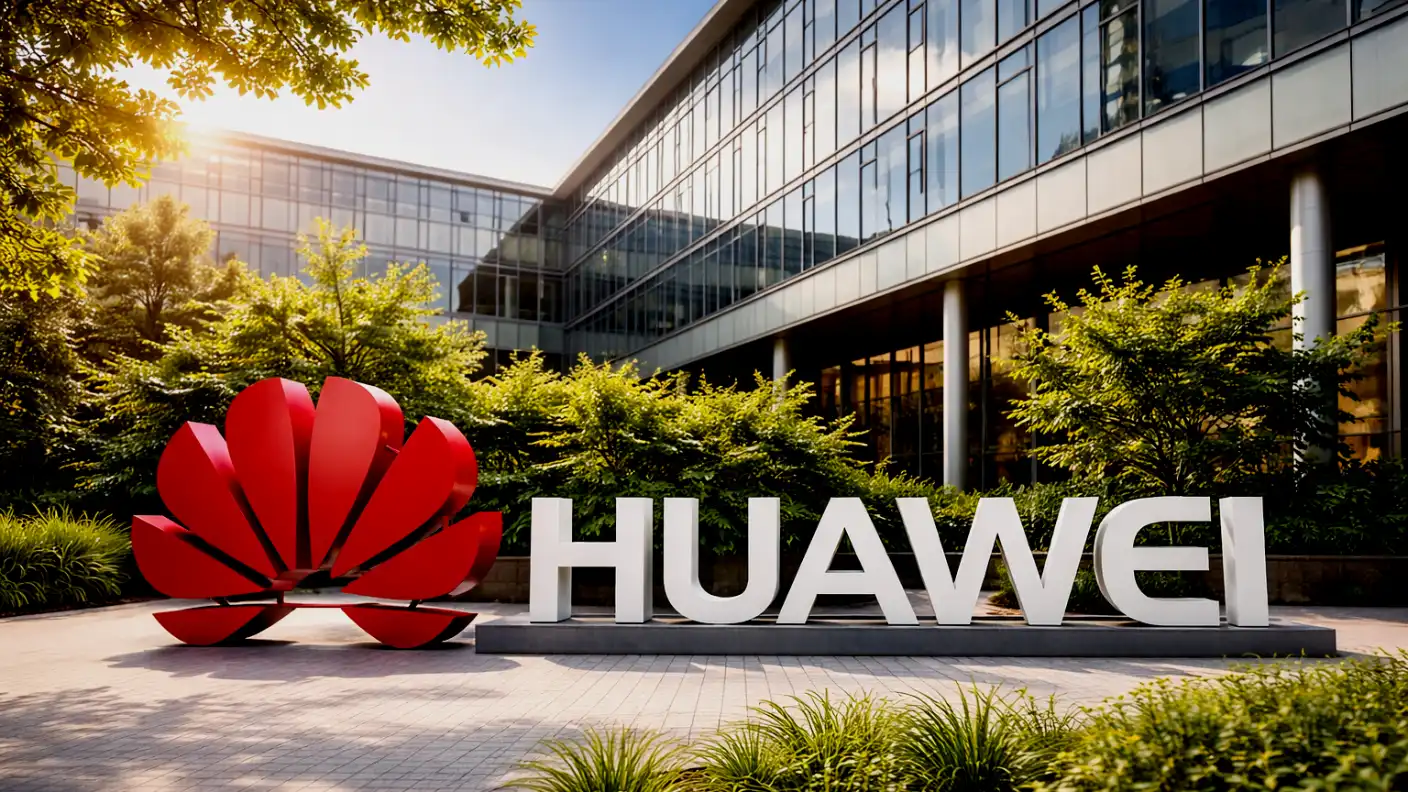
Chinese telecommunications giant Huawei unveiled its latest flagship foldable smartphone, the Mate XT 2, intensifying competition in the premium handset market against domestic rival Xiaomi and American tech giant Apple. The new device features an advanced tri-fold display mechanism that unfolds twice to convert from a standard pocket-sized mobile phone into a tablet-sized screen. The high-profile launch represents a direct effort by Huawei to defend its dominant market share in China’s premium smartphone segment just days before competing manufacturers introduce their own flagship devices.
At the core of the Mate XT 2 is Huawei’s custom-designed Kirin 9050 Pro processor, built on the company’s proprietary LogicFolding architecture. Huawei designed the high-efficiency silicon to maximize computing throughput while significantly lowering electrical power consumption. This domestic microchip breakthrough enables Huawei to deliver flagship-tier mobile performance, advanced on-device artificial intelligence processing, and complex graphics rendering without relying on restricted Western semiconductor foundries.
The Mate XT 2 introduces a major mechanical redesign compared to its first-generation predecessor. Rather than using an outward Z-shaped folding layout that exposes the flexible screen to external scratches, the new model adopts a protective inward-folding structure with dual precision hinges. The device incorporates a dedicated outer cover display and features hardware-level privacy screen technology that blocks peripheral side viewing, allowing users to read confidential business documents and messages in public without exposing screen contents to onlookers.
Huawei configured the smartphone for high-end luxury consumers and business executives, equipping all model variants with 16 gigabytes of RAM. Storage configurations span from 512 gigabytes up to a massive 2 terabytes on the premium edition, which also bundles a specialized digital stylus pen. The device runs on Huawei’s new HarmonyOS 7 operating system, offering multi-window desktop multitasking, intelligent split-screen app scaling, and seamless file sharing across connected tablets, laptops, and smartwatches.
The launch coincides with an aggressive offensive from domestic competitor Xiaomi, which unveiled its book-style Xiaomi 18 Fold on the same day. Xiaomi’s new foldable highlights increasing reliance on domestic Chinese supply chains, running on its proprietary Xring O3 processor and high-density memory chips from domestic manufacturer CXMT. By pairing high-performance domestic processors with Leica camera optics and passport-ratio displays, Chinese manufacturers are attempting to capture affluent domestic buyers before international competitors expand their foldable lineups.
The flurry of Chinese hardware announcements arrives just days ahead of Apple’s anticipated entry into the foldable smartphone market. Industry analysts expect Apple to introduce its first foldable device with a retail price tag exceeding $2,000, bringing unprecedented global consumer attention to the foldable form factor. Because Apple commands the world’s largest installed base of premium smartphone users, Chinese brands are releasing advanced second- and third-generation foldables to establish durable customer loyalty before the foldable iPhone reaches retail stores.
The premium foldable category has emerged as the most resilient and profitable growth driver in an otherwise contracting global smartphone market. While broader industry shipments face an estimated 14% contraction due to extended consumer replacement cycles, consumer demand for luxury foldable devices continues to expand by double digits. Premium foldables allow smartphone manufacturers to elevate their average selling prices well above $1,500, generating strong gross profit margins that offset shrinking profits in budget and midrange device categories.
Market research data indicates that China remains the world’s largest and most fiercely contested market for foldable devices, accounting for more than half of global shipments. Domestic Chinese consumers have embraced foldable screens for mobile gaming, stock trading, and digital productivity, prompting brands like Huawei, Honor, Vivo, Oppo, and Xiaomi to iterate hardware designs every 12 months. This rapid innovation cycle has made Chinese foldable devices thinner, lighter, and more durable than early-generation prototypes.
The rivalry between Huawei and Apple represents a broader technological contest for self-reliance in high-end consumer hardware. Despite multi-year trade restrictions that cut off access to foreign chipmaking tools, Huawei has rebuilt its smartphone supply chain around domestic component suppliers, custom operating software, and proprietary camera imaging sensors. Releasing a dual-hinge tri-fold smartphone demonstrates that Huawei can engineer complex consumer hardware that rivals or exceeds Western engineering standards.
As the Mate XT 2 and rival foldable devices hit retail stores across China, the premium smartphone market is entering an intense three-way battle for mobile supremacy. With Huawei advancing tri-fold engineering, Xiaomi pushing domestic silicon, and Apple preparing its own foldable entry, consumers stand to benefit from a wave of design innovation that is permanently transforming the modern smartphone experience.