Key Points:
- Retail gasoline prices in Portugal hit a record high of €2.35 ($2.54) per liter, while diesel surged to €2.18.
- Thousands of truck drivers and taxi operators launched “slow-drive” protests, paralyzing major highways in Lisbon and Porto.
- Protesters demand an immediate 50% reduction in the ISP (Fuel Tax) and a temporary VAT holiday to prevent industry collapse.
- The price spike follows military escalations in the Middle East that pushed Brent crude oil toward $97 per barrel.
Thousands of motorists, truck drivers, and taxi operators flooded the streets of Lisbon and Porto this week as a record fuel price rise pushed the cost of living to an unsustainable breaking point. Organized through social media groups and transport unions, the “slow-drive” protests blocked major arteries, including the iconic 25 de Abril Bridge and the A1 motorway. The demonstration marks the largest display of civil unrest in Portugal since the global energy crisis began, reflecting a deep-seated frustration with soaring energy costs and stagnant wages.
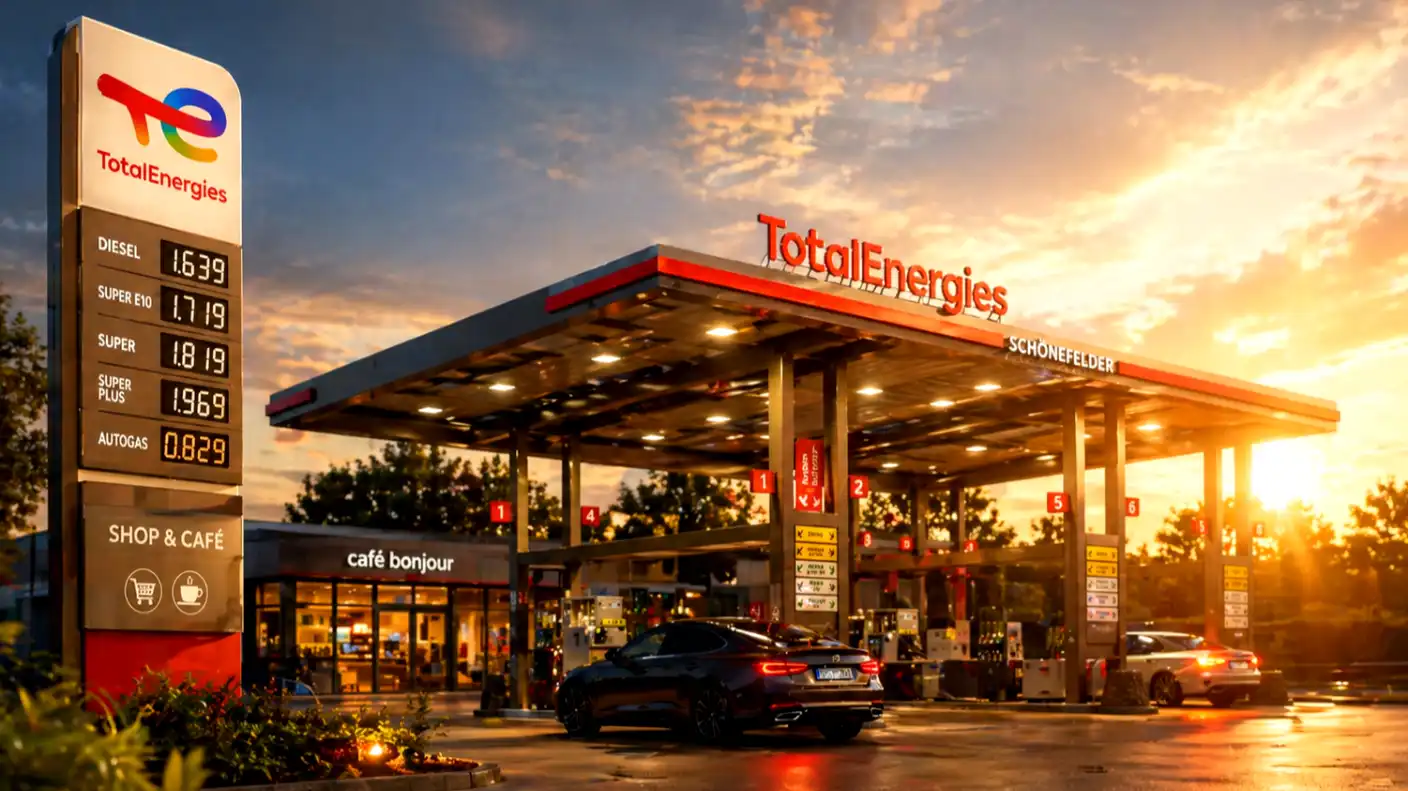
At the center of the anger is the unprecedented cost at the pump. Regular unleaded gasoline reached a staggering €2.35 ($2.54) per liter in major cities, while diesel prices climbed to €2.18. For a standard family sedan with a 50-liter tank, a full refill now costs more than €117, a nearly 40% increase compared to the previous year. For professional drivers who spend eight to ten hours on the road daily, these prices represent a direct threat to their livelihood, wiping out daily earnings and pushing small delivery firms toward bankruptcy.
The transport sector is bearing the heaviest burden of this economic shock. Union leaders represent over 15,000 independent truckers who claim that current freight rates no longer cover the cost of fuel. Logistics companies warn that if the government does not intervene, the industry could face over $1.2 billion in cumulative losses by the end of the quarter. Many small businesses have already idled their fleets, choosing to stop operations rather than lose money on every delivery. This work stoppage is already causing 12% delays in food shipments to supermarkets, leading to empty shelves in some rural regions.
Protesters are directing their demands toward the Ministry of Finance, calling for a radical overhaul of the national fuel tax structure. Currently, taxes make up approximately 45% of the total retail price of fuel in Portugal. The protesters want the government to slash the ISP (Petroleum Products Tax) by 50% and implement a temporary VAT reduction from 23% to 6%. While the government previously introduced a small rebate program, activists dismiss these measures as “crumbs” that fail to address the core problem of a $97 barrel of oil.
The domestic crisis is a direct consequence of the deteriorating security situation in the Middle East. Recent military strikes between the United States and Iran in the Strait of Hormuz have crippled international shipping, slowing tanker traffic to just 10 ships per day. With nearly 20% of the world’s oil supply under threat, international benchmark Brent crude surged to $96.80 per barrel this week. Energy analysts suggest that as long as the Persian Gulf remains a combat zone, European countries like Portugal—which rely heavily on imported oil—will remain vulnerable to extreme price volatility.
Inflation is rippling through the broader Portuguese economy as a result of the fuel spike. National headline inflation jumped to 6.2%, driven largely by transportation and food costs. Because trucks move 90% of all goods within Portugal, the record fuel price rise has triggered a 15% increase in the retail price of fresh produce, meat, and dairy. Families are reporting that their monthly grocery bills have climbed by $150, forcing many to cut back on healthcare, education, and household maintenance.
The government faces a difficult balancing act as it navigates the crisis. Prime Minister Luís Montenegro has expressed sympathy for the protesters but warns that a massive tax cut could create a $2.5 billion hole in the national budget. Government officials argue that they need this revenue to fund the country’s transition to renewable energy and maintain public services. However, opposition leaders and labor unions counter that the state is “profiting from the pain of the people” by collecting record VAT revenues as prices climb higher.
Local authorities in Lisbon and Porto deployed hundreds of police officers to manage the traffic disruptions, but the protests remained largely peaceful. Drivers honked horns and displayed banners reading “Our Work is Not Free” and “Stop the Fuel Robbery.” In Porto, a convoy of over 500 trucks circled the city center for six hours, bringing commercial activity to a standstill. The organizers have vowed to continue the “slow-drives” every Monday until the government provides a concrete timeline for tax relief.
The crisis is also highlighting the limitations of Portugal’s current green energy strategy. While the nation has made massive strides in wind and solar power—at times generating 100% of its electricity from renewables—the transport sector remains stubbornly dependent on fossil fuels. Electric vehicle adoption is growing at a rate of 22% annually, but the high upfront cost of electric trucks and vans remains a barrier for small-scale operators. Protesters argue that they cannot wait a decade for a “green revolution” when they cannot afford to drive to work tomorrow.
European neighbors are watching the situation in Portugal closely, as similar tensions simmer in Spain, France, and Italy. The European Commission is under pressure to allow member states more flexibility in reducing fuel taxes below the standard EU minimums. If Portugal successfully negotiates a tax holiday, it could set a precedent for other Mediterranean nations facing similar social unrest. For now, the European energy market remains locked in a cycle of high prices and supply uncertainty.
As the sun set over Lisbon, the lines of trucks began to disperse, but the tension remained. The National Association of Public Transport (ANTRAM) announced that it has scheduled an emergency meeting with the Finance Minister for Thursday. If those talks fail to produce a significant subsidy or tax cut, unions have threatened a nationwide general strike that could paralyze the Port of Sines and the country’s primary distribution hubs. The next few days will determine whether Portugal can find a diplomatic solution or face a total economic shutdown.
The record fuel price rise is more than just a number on a service station sign; it is a catalyst for a broader debate about energy security, social equity, and the role of the state. With global oil supplies tightening and geopolitical conflicts showing no sign of easing, the road ahead for Portuguese drivers looks increasingly steep. Until the government or the global market provides relief, the sound of honking horns and the sight of idling trucks will likely remain a fixture of the Portuguese landscape.