Key Points:
- Rivian CEO RJ Scaringe envisions a future in which thousands of employees work alongside humanoid robots.
- His separate startup, Mind Robotics, has raised more than $1 billion in total funding.
- Mind Robotics plans to unveil its first commercial bipedal product in less than a year.
- Rivian holds a large minority stake in the startup and will serve as its primary launch customer.
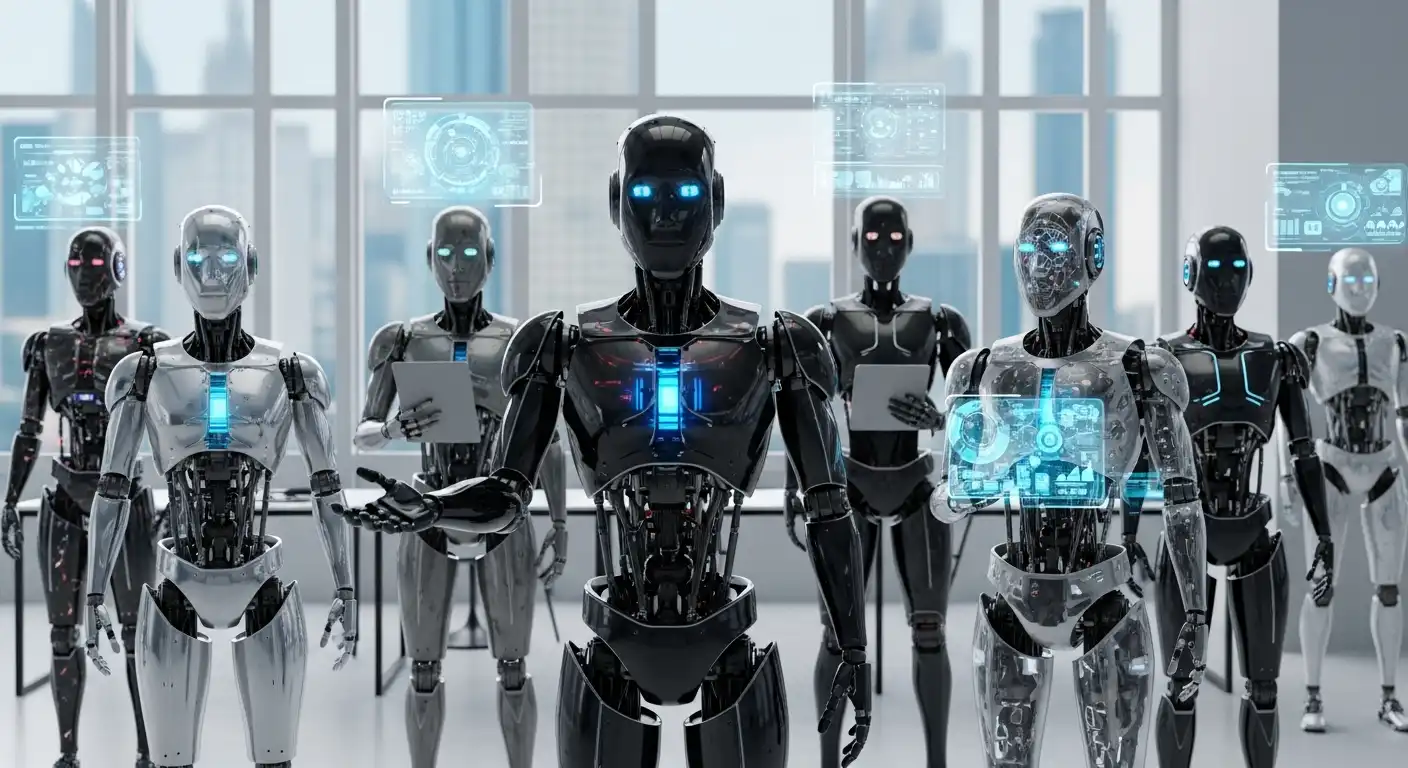
The chief executive officer of electric vehicle maker Rivian Automotive, RJ Scaringe, envisions a future in which thousands of factory employees will collaborate with humanoid robots on the assembly line. The separate robotics company, Mind Robotics, backs this progressive vision, which Scaringe founded in late 2025 to develop advanced bipedal systems for industrial applications. By introducing these autonomous machines to the factory floor, Scaringe wants to automate repetitive, physically demanding tasks, allowing human workers to focus on complex systems engineering and quality control.
The ambitious robotics venture has quickly gathered immense momentum and financial backing since its low-key launch last year. Scaringe recently confirmed that Mind Robotics has raised more than $1 billion in total funding from a powerful coalition of venture capital firms and strategic technology backers. This substantial financial cushion provides the startup with the resources to recruit top-tier engineering talent and accelerate its hardware prototyping cycles, giving it the necessary runway to bring highly capable bipedal machines to market without facing near-term cash constraints.
Mind Robotics expects to officially reveal its very first commercial product in less than a year. While the startup operates as a completely separate legal entity from the electric vehicle manufacturer, the two companies maintain a highly symbiotic commercial partnership. Rivian holds a large minority shareholder stake in Mind Robotics and has signed on as the startup’s official launch customer. This relationship ensures that Mind’s newly developed robots will undergo rigorous, real-world testing and deployment inside Rivian’s high-volume manufacturing plants from day one.
The decision to establish Mind Robotics as a standalone enterprise represents a starkly different strategic approach than the one favored by Tesla CEO Elon Musk. While Musk is building the “Optimus” humanoid robot directly inside Tesla—partially shifting the automaker’s core focus and resources toward general-purpose robotics—Scaringe believes the two industries require distinct operational environments. By keeping Mind Robotics separate, Scaringe can prevent the high-cost robotics research and development cycles from draining Rivian’s capital, allowing the automaker to remain laser-focused on scaling electric-vehicle production.
During a media event in Utah for the highly anticipated launch of the Rivian R2 electric SUV, the 43-year-old automotive enthusiast and tech entrepreneur painted a surprisingly warm, collaborative picture of the future workplace. Scaringe envisions a day when factory employees will view their robotic counterparts as genuine, non-threatening colleagues. He described a future where thousands of people collaborate alongside these robots, taking pictures and telling their friends that their new coworker is a robot named Phil. This collaborative philosophy seeks to ease public anxieties about automation replacing human workers.
To prepare for this collaborative future, Mind Robotics is designing its systems to learn directly from the massive operational data loops generated inside Rivian’s factories. The startup is building an industrial artificial intelligence foundation that uses a “data flywheel,” in which the software continuously improves its performance by digesting real-time data from ongoing manufacturing processes. Because humanoid robots require unique physical workspaces and highly specialized tooling to operate safely, the separate company structure allows engineers to design optimized factory layouts from scratch.
The startup’s focus on practical, repeatable utility marks a significant departure from the viral, highly simulated demonstrations that currently dominate the public imagination. While many robotics startups release slick videos of bipedal machines performing impressive but narrow tasks for the camera, Scaringe emphasizes that industrial-grade robots must perform useful, highly precise actions repeatedly and with minimal downtime. To achieve this, Mind is actively recruiting for roughly 20 open engineering and data architecture positions, targeting experienced professionals with backgrounds in autonomous vehicles and robotics.
The rapid rise of Mind Robotics and the impending launch of its first commercial product signal a permanent turning page for both the automotive and automation industries. By separating his robotics ambitions from Rivian’s core vehicle manufacturing business, Scaringe has established a highly disciplined, financially secure framework to explore the future of physical artificial intelligence. As the prototype prepares for its debut in less than a year, the success of this separate venture will determine whether collaborative humanoid assistants can successfully transition from high-tech novelties into mainstream, indispensable industrial partners.