

Key Points:
- The European Union is introducing streamlined type-approval rules for a small series of up to 1,500 vehicles annually to accelerate the roll-out of driverless taxis.
- While the United States and China lead the global autonomous vehicle industry, Europe has largely remained limited to small-scale regional pilots.
- The European Union’s Artificial Intelligence Act, set to take effect in August, will classify automated driving systems as high-risk technologies.
- Major global ride-hailing networks are actively establishing partnerships in Europe, with Uber launching new autonomous pilot programs in Munich and Madrid.
The commercial landscape of urban mobility is undergoing a historic realignment as driverless technology finally moves beyond experimental trials onto European streets. While fully autonomous vehicles are already a common sight in major metropolitan areas across the United States and China, European passengers have long viewed the technology as a distant prospect. However, this dynamic is changing quickly. To prevent Europe from falling permanently behind its global rivals, European Union regulators are introducing new, streamlined approval frameworks designed to dramatically accelerate growth in Europe’s robotaxi market, transforming the continent’s streets with a wave of commercial autonomous ride-hailing services.
The primary regulatory tool the European Commission is utilizing to speed up deployments is a newly established “small-series” type-approval procedure. Under this progressive framework, autonomous vehicle manufacturers can bypass the sluggish, fragmented approval processes of individual member states to secure a unified, EU-wide safety certification. The special type approval allows companies to deploy small fleets of up to 1,500 vehicles per model type each year. This loophole is specifically engineered to accommodate next-generation transport services, including commercial robotaxis, automated valet parking systems, and hub-to-hub autonomous freight delivery trucks.
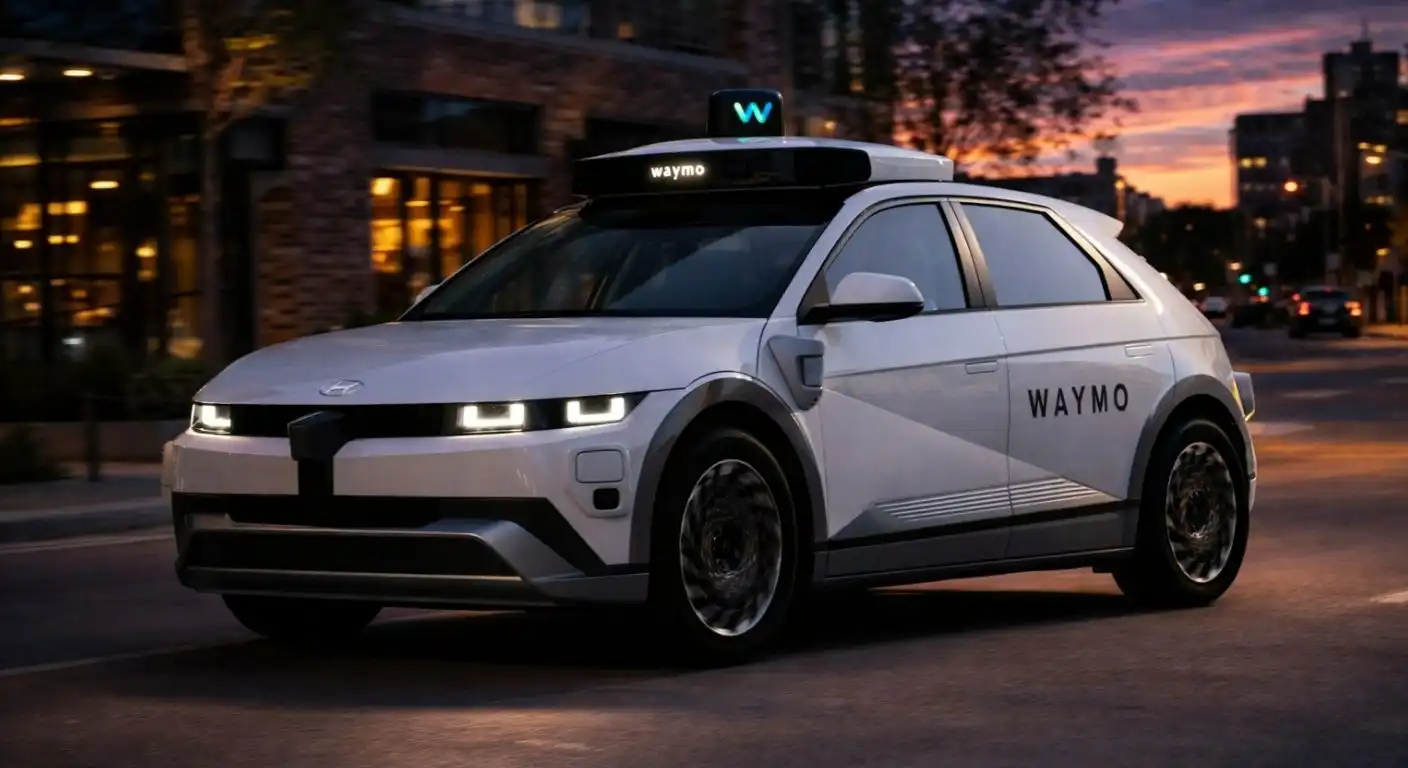
This regulatory push has become an absolute necessity because Europe currently lags far behind its international competitors in the autonomous vehicle race. In the United States, companies like Alphabet’s Waymo operate commercial, fully driverless taxi services at a massive scale, delivering over 400,000 paid rides per week across cities like San Francisco, Phoenix, and Austin. Earlier this year, Waymo successfully raised a record-shattering $16 billion in fresh capital, raising its corporate valuation above $120 billion. In China, tech giants like Baidu, Pony.ai, and WeRide deploy massive, state-subsidized driverless fleets that navigate dense, complex urban traffic daily, leaving European carmakers far behind.
While the small-series approval framework aims to speed up deployments, autonomous vehicle developers must still navigate a highly complex regulatory hurdle: the upcoming enforcement of the EU Artificial Intelligence Act. Scheduled to take effect in August, the landmark legislation represents the world’s first unified, comprehensive rulebook for artificial intelligence systems. Under the new act, regulators will formally classify Automated Driving Systems (ADS) as “high-risk AI systems.” This strict classification will trigger demanding compliance requirements, forcing developers to implement flawless human-in-the-loop oversight, provide transparent data logs, and submit their systems to rigorous external safety audits.
The lack of a unified, pan-European traffic safety agency has historically made it incredibly difficult for autonomous startups to scale their businesses. Currently, developers must negotiate a highly fragmented patchwork of local permits, regional transport laws, and municipal guidelines to launch even a basic pilot program. While the UK recently passed its landmark Automated Vehicles Act to establish a clear, nationwide pathway for driverless deployments by 2027, continental Europe remains divided. Tech developers warn that this regulatory friction discourages private venture capital firms from investing in European autonomous startups.
Despite these regulatory challenges, major global ride-hailing platforms are actively establishing strategic footholds in Europe’s most lucrative markets. Uber recently announced a high-stakes partnership with automated driving software developer Autobrains and chipmaker Nvidia to launch a commercial robotaxi pilot in Munich, Germany. Simultaneously, Uber partnered with publicly traded Chinese autonomous-vehicle pioneer WeRide and Spanish fleet operator AVOMO to deploy a fleet of self-driving GXR vehicles on the streets of Madrid. These coordinated rollouts prove that global mobility platforms view European cities as the next great frontier for driverless expansion.
While foreign technology giants dominate the headlines, some local European champions are also making significant progress toward commercialization. Croatian mobility startup Verne—backed by hypercar manufacturer Mate Rimac—recently launched Europe’s first official commercial robotaxi trial in the capital, Zagreb. The initial, highly controlled pilot utilizes a fleet of custom-built, fully driverless electric vehicles integrated directly into the Uber app. By starting with a small, localized fleet of 10 vehicles and 300 selected users, Verne hopes to demonstrate the safety and economic viability of its autonomous platform, providing a highly practical blueprint for other European cities to follow.
The potential economic and social benefits of the successful integration of autonomous transport are massive. Replacing human drivers in ride-hailing fleets with highly efficient, electric robotaxis can slash operator fuel and maintenance costs, while significantly reducing the number of cars clogging city streets. Furthermore, these driverless shuttles promise to improve transportation accessibility for older adults and people with physical disabilities, particularly in rural and suburban communities where public transit services are limited. Even a minor 1.5% increase in national transport efficiency through automated systems could save EU member states billions in infrastructure costs annually.
The transition toward commercial robotaxis aligns with a massive, multi-billion-dollar shift in corporate capital expenditures. As tech giants collectively spend over $100 billion annually on artificial intelligence and advanced silicon, they are actively looking to transition their digital software models into physical, real-world machines. Developing and maintaining a fleet of autonomous vehicles is a highly capital-intensive business, requiring companies to invest over $1 billion to establish dedicated maintenance depots, build real-time remote assistance centers, and map entire cities in high-definition 3D.
Ultimately, the European Union’s push to accelerate the deployment of autonomous vehicles marks a vital turning page for the continent’s industrial future. By introducing the small-series type-approval framework, regulators are slowly acknowledging that the region must move past the era of endless pilot programs and policy papers to embrace the reality of commercial scale. As global tech giants and local pioneers like Verne roll out their driverless fleets across European cities over the coming months, the success of these trials will determine whether Europe can successfully secure its technological sovereignty, or if its future transportation networks will run entirely on software developed in Silicon Valley and Beijing.






