Key Points:
- Samsung recaptured the first-place position in the global smartphone market in the second quarter, capturing 24% of shipments.
- Apple fell to second place with a 20% market share, despite growing its overall iPhone shipments by 3% year-on-year.
- A severe memory chip supply shortage has dragged global smartphone shipments down by 11% year-on-year.
- Robust sales of the premium Galaxy S26 series, particularly the Ultra model, drove Samsung’s market recovery.
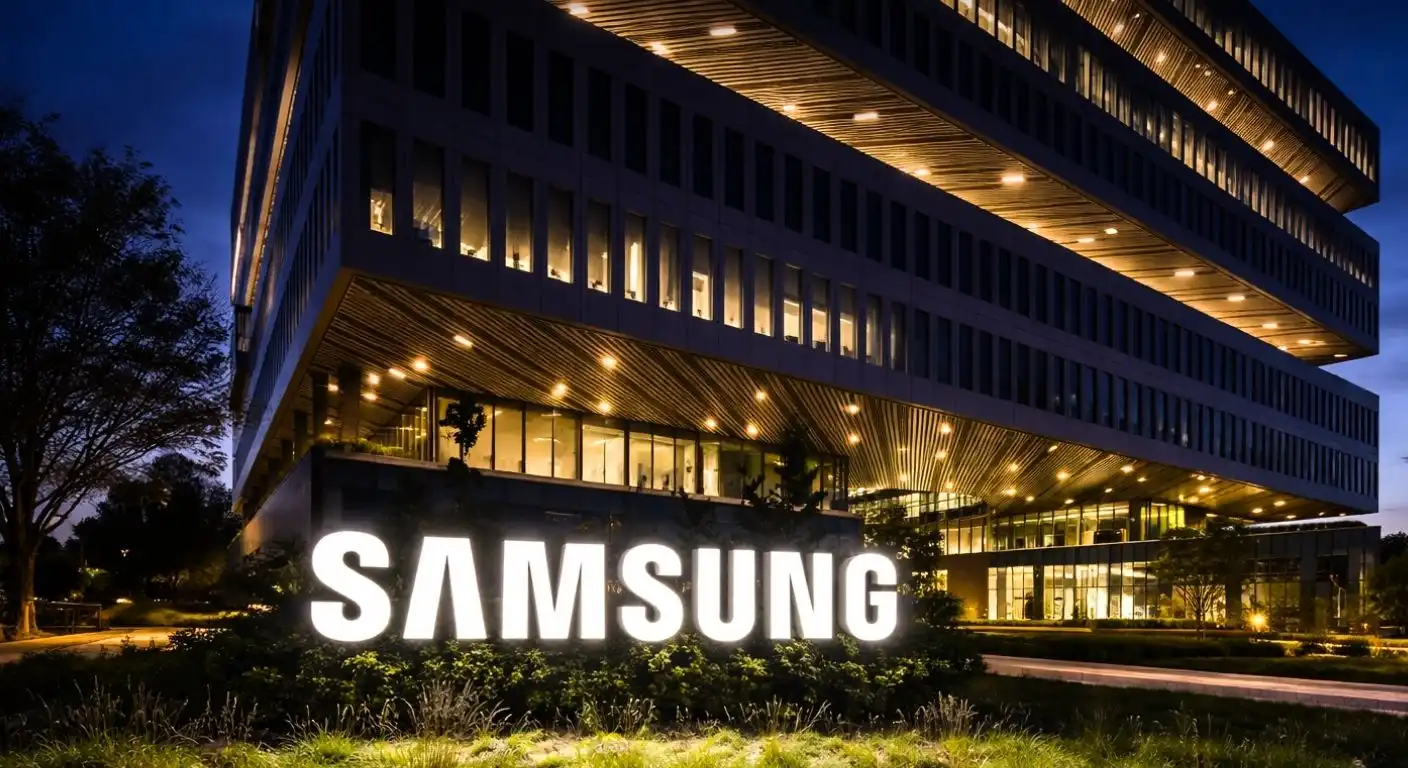
Samsung reclaimed the leading position in the global smartphone market during the second quarter, displacing its main rival Apple. This performance marks a significant shift from the first quarter when Apple led the market on the strength of its latest premium device releases. The South Korean technology giant captured 24% of all global smartphone shipments during the three months ending in June, cementing its recovery following a slow start to the year.
Apple slipped to second place but maintained a highly resilient presence, securing a record 20% share of global shipments for the second quarter. This is a notable achievement for the consumer tech giant, which historically experiences slower sales volumes during this period of the year. Despite losing the top spot, the company grew its overall iPhone shipments by 3% year-on-year, driven primarily by sustained, global consumer interest in the premium iPhone 17 series.
This competitive shuffle occurred within a highly troubled global industry that is contracting under severe supply-chain pressure. Total smartphone shipments plummeted 11% year-on-year during the second quarter, marking the weakest performance for this period since 2013. This massive market contraction stems from a full-blown memory crisis that has driven up manufacturing costs and disrupted global distribution channels for both entry-level and premium devices.
The root cause of this industry slowdown is a persistent global shortage of DRAM and NAND memory chips. Major semiconductor manufacturers are continuously prioritizing the production of high-margin memory chips for artificial intelligence data centers over consumer electronics. This shift in supply allocation has caused the prices of memory and storage components to balloon rapidly, forcing phone manufacturers to absorb higher material bills or pass the rising costs directly onto consumers.
This component pricing squeeze has created a severe polarization across the mobile phone market. Budget and mid-range devices, which historically operate on thin profit margins, are the most exposed to these unfavorable component economics, making them structurally unfeasible at previous retail prices. As a result, Chinese manufacturers like Xiaomi, OPPO, and vivo recorded the steepest shipment declines among the top five global brands during the quarter, as they struggled to maintain volume without raising prices on cost-sensitive buyers.
Samsung successfully navigated this component storm by leveraging its highly integrated, internal supply chain and extensive component manufacturing operations. Although its mobile division was not completely immune to rising material costs, its unique vertical integration offered a significant buffer against external supply-chain shocks. The company managed to sustain high production volumes and keep its manufacturing pipelines running smoothly while competitors faced severe component bottlenecks.
Robust consumer demand for the flagship Galaxy S26 series served as the primary engine for the company’s Q2 recovery. The ultra-premium Galaxy S26 Ultra emerged as the standout performer for the quarter, drawing massive interest due to its advanced privacy display and integrated artificial intelligence features. By focusing heavily on these highly profitable, feature-rich premium models, the manufacturer successfully offset softer demand and rising costs in its budget and mid-range segments.
A highly calculated regional pricing and promotional strategy also supported the market share gains. While many competitors raised prices to preserve their profit margins, the market leader avoided significant price hikes on its high-end devices in key expansion regions, including India and the Middle East. The company combined these stable retail prices with aggressive seasonal marketing and promotional campaigns, successfully pulling budget-conscious premium buyers away from competing brands.
The current market trends highlight a growing divide between premium and entry-level segments. Both leaders avoided broad retail price hikes during the quarter, allowing them to capture market share from smaller brands that had no choice but to raise prices. This pricing stability has consolidated power at the top of the market, with the two leading brands now controlling nearly half of all global smartphone shipments, leaving smaller, budget-focused manufacturers to bear the brunt of the component crisis.
The outlook for the remainder of the year continues to present major challenges for the entire hardware industry. Persistent high prices for critical storage components are expected to depress demand through the upcoming holiday shopping seasons, with total global smartphone shipments projected to decline by roughly 14% for the full year. As manufacturing margins remain tightly squeezed, the ability of top-tier brands to leverage their supply chains and maintain consumer demand will dictate who holds the crown at the end of the year.